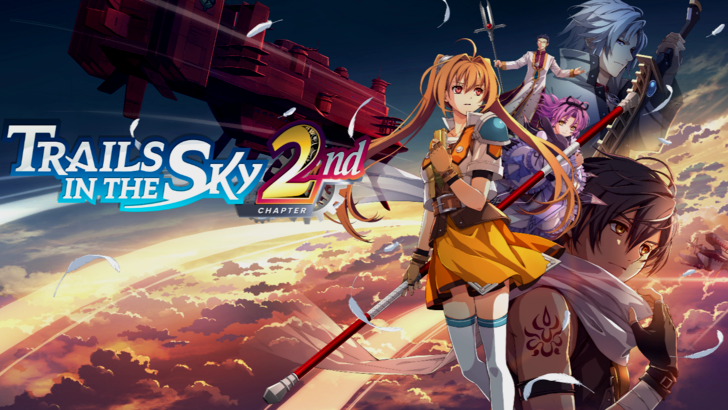
Trails in the Sky 2nd Chapter continues Estelle’s journey across the kingdom of Liberl, and after a couple of hours with it, I’m already convinced this is what a good remake looks like. Full disclosure: I’m a JRPG fan who somehow never played the original 2006 game, so this is my first real trip through this particular chapter of the series. I went in knowing basically nothing about what I was getting into, and so far, I’m having a pretty damn good time. Here’s everything we know, how it plays, and my first impressions.
Fair warning, though. Since 2nd Chapter is a direct sequel to last year’s Trails in the Sky 1st Chapter, there are spoilers for the first game ahead. Consider yourself warned.
What’s the Story Setup?
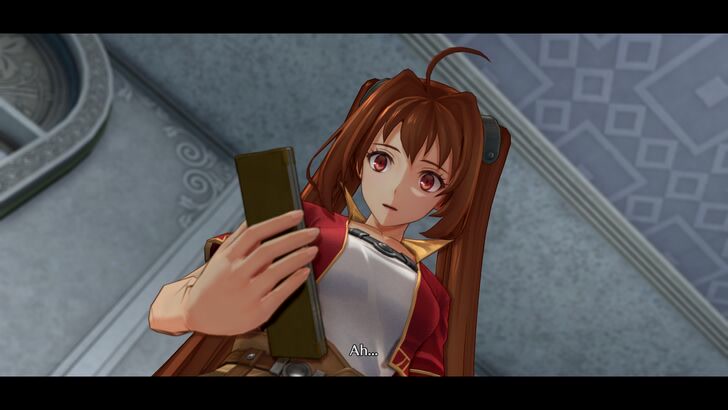
After Joshua disappears, Estelle sets out to find him and bring him home. The first game ended with Estelle finally learning the truth about him. He’d been trained as an assassin and worked with Ouroboros before Cassius took him in, and he was convinced his past would eventually put Estelle in danger. So Joshua knocked her out, left her behind, and vanished. After spending the whole game watching these two grow closer, that ending was pretty damn brutal.
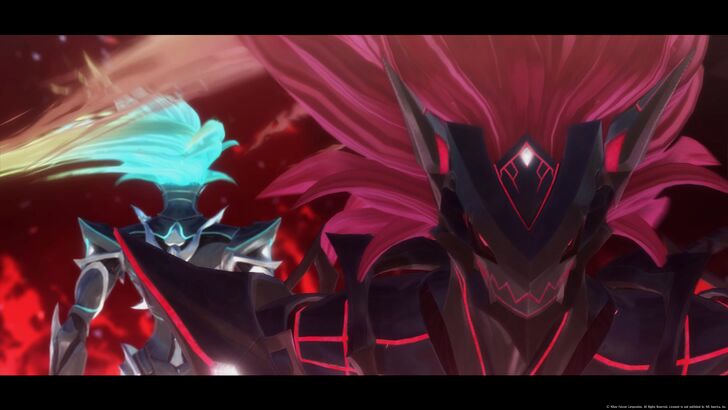
Estelle wakes up with Joshua gone and zero clue where he went, and that’s exactly where 2nd Chapter picks up. The teaser was pretty vague on what happens next, but the return of characters from the 2006 original, like Renne, Luciola, and Georg Weissman, confirms Estelle and her crew will be going up against the agents known as Enforcers.
Estelle Bright, Joshua Astray, Scherazard Harvey, Kloe Rinz, Agate Crosner, Olivier Lenheim, Tita Russell, and Zin Vathek make up the main cast. The first teaser also confirmed Klaudia and Zane, who showed up alongside the rest of the crew.
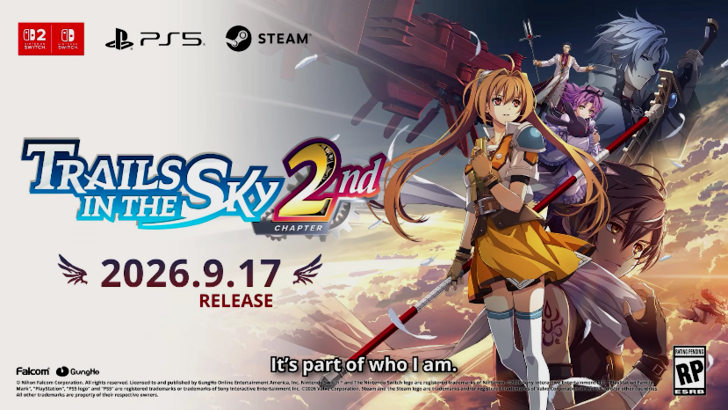
As for when you can play it, Trails in the Sky the 2nd Chapter released on September 17, 2026 for Steam, PlayStation 5, Nintendo Switch, and Nintendo Switch 2, after an official announcement back in December 2025.
Estelle’s Search Begins
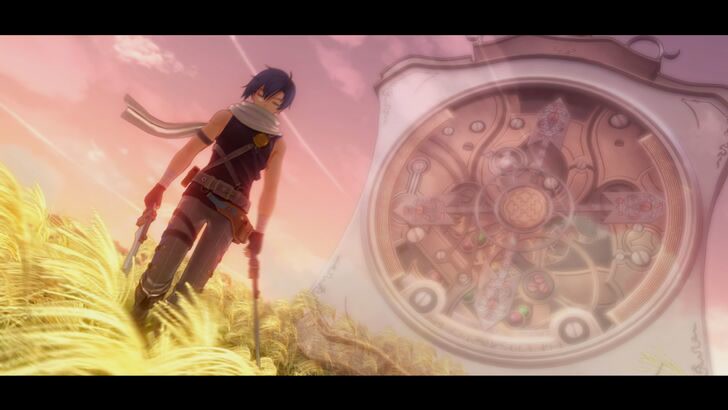
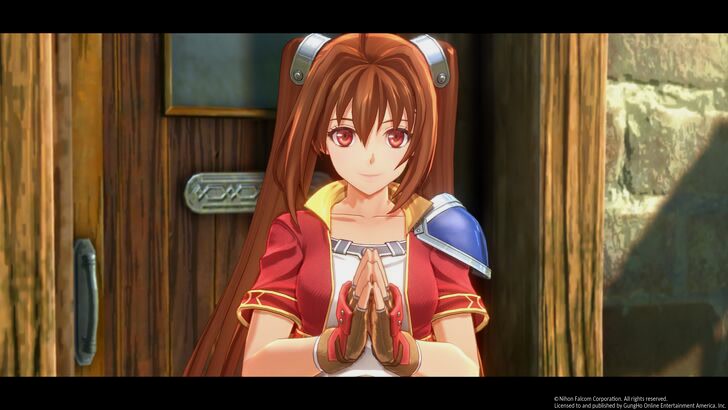
Estelle doesn’t waste any time. She talks to Cassius, heads back to the Bracer Guild, and starts figuring out how to track Joshua down. The path forward involves getting stronger and picking up bracer work again, so off she goes. That alone would be enough to carry the story for a while, but Ouroboros is already making moves in Liberl. Joshua’s ties to the organization mean Estelle’s search is tangled up with whatever they’re planning, and the early hours start weaving those two threads together.
There’s something refreshingly simple about Estelle’s goal right now. Ouroboros might be running some massive scheme across the kingdom, but Estelle mostly just wants her boyfriend back.
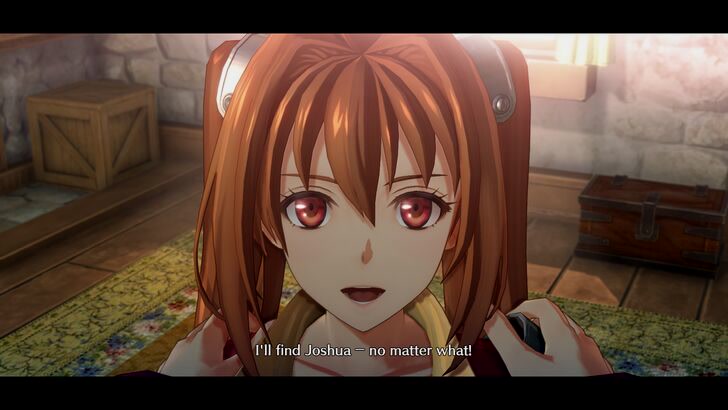
What’s great is that Estelle is still very much Estelle. She’s older and a bit more experienced after everything that went down in the first game, but she hasn’t suddenly turned into some perfectly composed hero. She still talks before she thinks. The difference now is that she’s got a much more personal reason to throw herself into danger. Joshua leaving clearly cut deep, and the game lets that pain simmer underneath her usual energy.
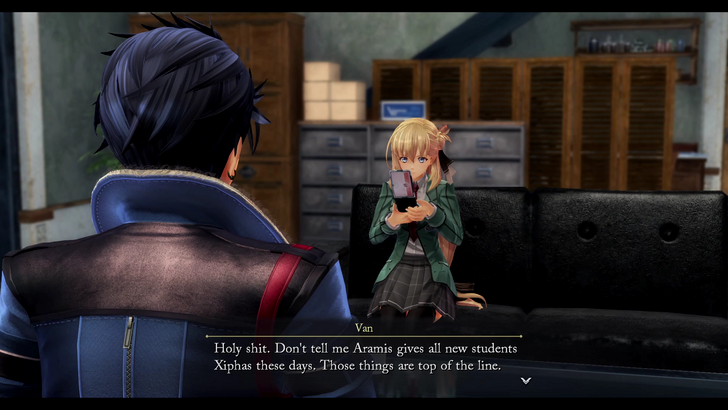
The returning cast helps too. There’s no need to spend another hour explaining who Schera is or why Agate keeps yelling at Estelle. These characters already have history with her, and the game can jump right back into their usual dynamic. Olivier is still Olivier, which means there’s only so much personal growth anyone can realistically expect from him. After spending the previous game with this crew, seeing them slip back into their old banter feels totally natural.
Kevin Graham Steals Scenes Immediately

Kevin Graham is one of the first major new faces, and he fits into the group like he’s always been there. He’s a priest with a weirdly chill attitude, especially for someone who clearly knows more than he’s letting on. There are little things about him that make it hard to buy that he’s just some random guy who happened to cross paths with Estelle. I already know a lot about who he is because I stumbled into this series through Cold Steel and Daybreak, but it’s cool seeing his origin. The game doesn’t dump his whole backstory on you immediately, which leaves plenty of room to wonder what he’s actually doing here.
Ouroboros hits a lot harder now that Estelle has a personal connection to them. The first game spent ages keeping the organization at a distance before finally pulling back the curtain on how much was going on behind the scenes. 2nd Chapter gets to skip all that setup. Estelle already knows Joshua was involved with them, and she already knows they’re dangerous. Every time the organization comes up, there’s this lingering question of what they know about Joshua that she doesn’t.
That question keeps the Joshua plot moving even when the game takes its sweet time with everything else. Estelle can go handle a totally mundane bracer request, and Joshua is still the reason she’s there in the first place. The result is a story that can bounce between small-town problems and a massive conspiracy without losing sight of the personal reason Estelle started traveling again.
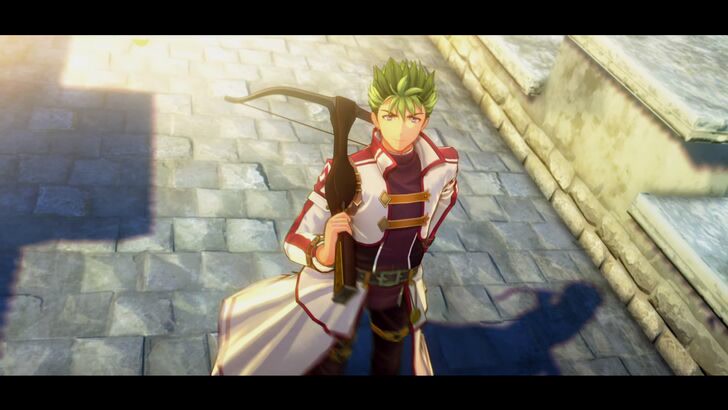
The pacing can still feel a little jarring, though. Joshua just left. Estelle is devastated. Ouroboros is clearly up to something nasty. And yet the game still asks you to go help people with their everyday problems like the main quest isn’t urgent at all. That’s very much the Trails formula, and there’s nothing wrong with it when you’re in the mood for it. It does mean the urgency of that ending gets stretched out. You know exactly who Estelle is looking for, and sometimes the game has other errands in mind first.
Liberl Still Feels Like Home
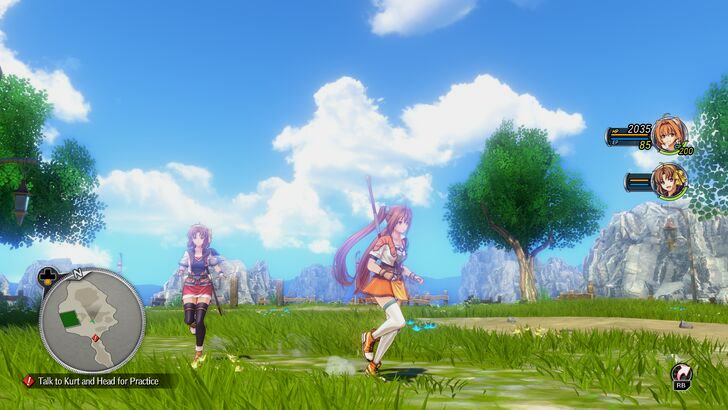
Thankfully, those errands are easier to settle into because Liberl is a place we already know. We’ve seen these towns and the people who live in them. Even the smaller jobs hit a little differently when you already know what the country looks like and how people tend to operate.
This is what makes the Trails series so special as a whole. The way each region and each game connects to each other is honestly wild to see. 2nd Chapter is just building on everything 1st Chapter set up. Everyone’s still carrying the relationships and problems from the previous game with them.
More than that, the part I keep coming back to is Estelle herself. She spent the first game trying to figure out what it meant to be a bracer and trying to keep up with Joshua. Now she has to do all of that without him. She’s got plenty of people around her, but the person she actually wants by her side is the one who left. The main goal this time is finding Joshua. The bigger question is what happens when she finally does.
It’s a Trails Game Through and Through
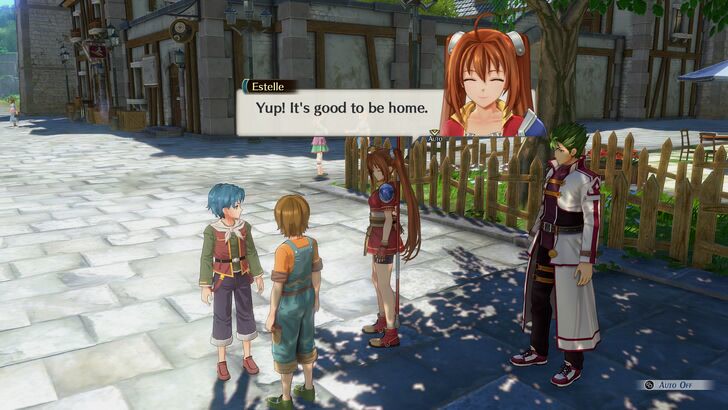
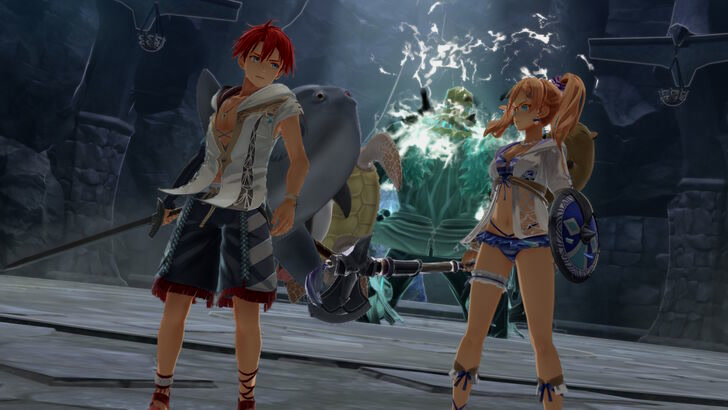
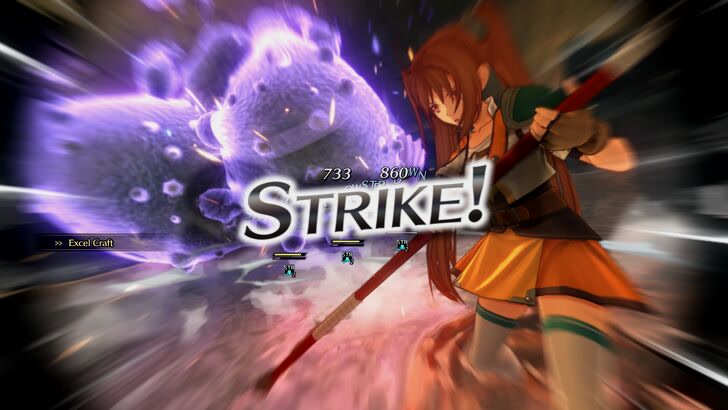
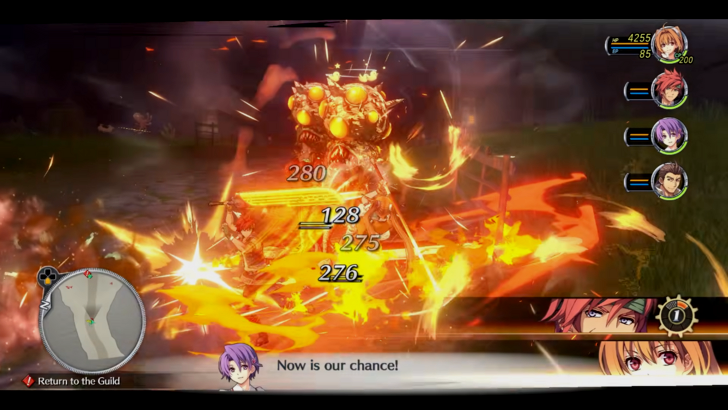
If you played 1st Chapter last year, 2nd Chapter is gonna feel pretty familiar. Fights keep the turn-based tactical combat the modern Trails series is known for, where battles transition from the overworld into a grid-based battle screen. But before that, you run around the field, smack weaker enemies with your weapons, and jump straight into a Quick Battle when a fight starts. Tougher enemies can still be stunned before you switch into Command Battle, which is where things slow down and the tactical side takes over. The transition between the two is so seamless that I barely think about which system I’m using. Most of the smaller enemies get wrecked in the field before they even get a chance to start a proper fight.
That means running through Liberl is way less of a chore with Quick Battle in the mix. It’s basically the action RPG side of the game. I can blast through an area, take out whatever gets in my way, and keep moving without stopping for a full battle every few seconds. There’s a bit more to keep track of now too. Attacks have different ranges, dodging matters a ton, and Crafts, basically your character-specific Skills, can be woven right into the action.
It still doesn’t feel like a replacement for the turn-based combat, though. After a few fights, I’m usually happy to let Quick Battle handle the small fry and save Command Battle for anything that might actually cause problems.
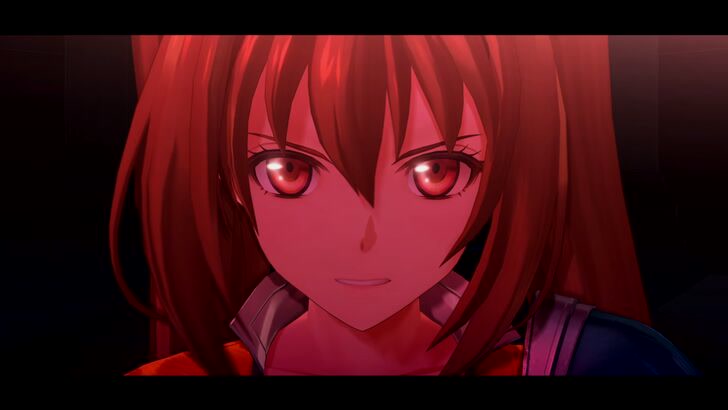
Once a fight shifts into Command Battle, you’re back to stressing about positioning, turn order, Arts, Crafts, CP, meaning Craft Points, and all the other stuff that makes a Trails fight feel like a little puzzle. You give orders to a party of up to four characters, choosing between physical attacks, Crafts that spend those Craft Points, and Arts, which are magic powered by the customizable orbment system. The remake gives characters more freedom to move around the battlefield during their turns, which makes positioning way easier to manage than it was in the original. I’ve already had moments where moving someone slightly closer or farther away is the difference between hitting the right enemy and wasting an attack on the wrong target.
The Orbment System Still Demands Your Attention
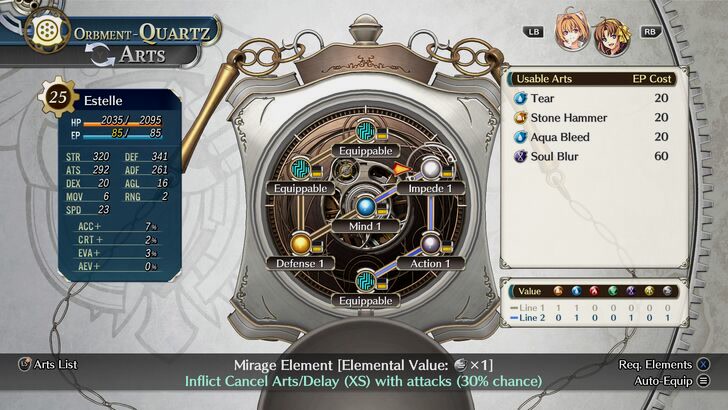
A lot of that tactical flexibility comes down to the Orbment system. You slot Quartz into each character’s orbment, and those choices determine which Arts they can use along with their stats. 2nd Chapter expands each Orbment to seven slots and gives you more Arts to chase, so there’s way more room to tinker with your setups. It’s also the kind of menu I can spend way, way, way too long staring at, because there’s almost always another Quartz that could probably make someone a little stronger. Min-maxing is my JRPG weakness. I’ll admit it.
Character progression itself comes from experience earned in battles and quests, which unlocks new abilities and Quartz slots. The quality-of-life improvements from the first chapter’s remake carry over here too.
The system itself is still pretty restrictive compared to some of the later Trails games, though. Characters have their own Orbment layouts, and the Quartz you slot in can push them toward certain Arts. That makes party building feel more intentional. You can’t just slap whatever looks strongest on everyone and expect the same results. Some characters clearly want to lean into Arts, others are better at physical attacks, and figuring out which is which is half the fun. It also gives me a reason to care about Quartz beyond just watching numbers go up.
Brave Rush Is the Biggest New Toy
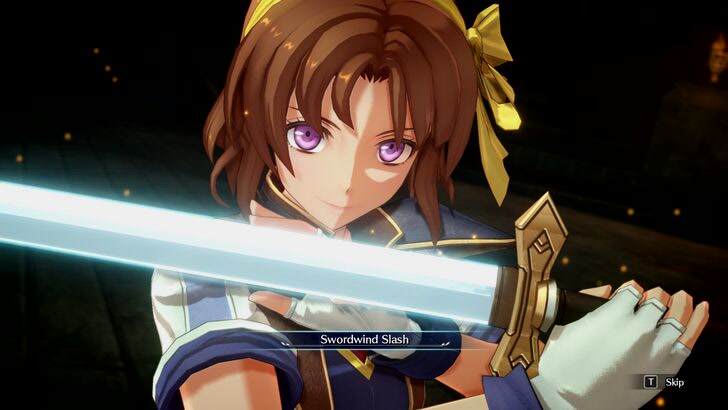
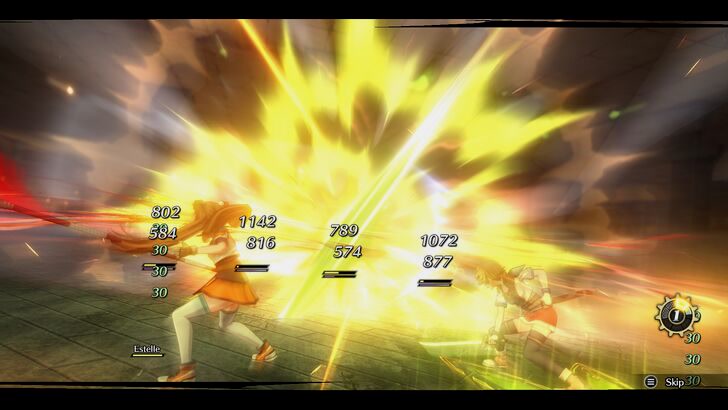
The biggest new tool so far is Brave Rush. The Brave Gauge builds up during combat, and spending two points lets two characters team up for a big attack during Quick Battle. It’s the kind of move that makes me want to save the gauge for the perfect moment instead of immediately mashing the shiny button just because I can. Watching two characters jump in together and wipe out a whole group of enemies also makes regular Quick Battles feel a little less throwaway.
This doesn’t completely shake up how the game plays, though. The core rhythm is still the same one from 1st Chapter, and I can already see myself treating the new attack as just another tool in the system. That’s probably for the best, honestly. 2nd Chapter has enough going on in combat already.
The cast gets some new tricks through their character-specific Crafts too. Everyone’s got their own set of attacks, and the remake has added or tweaked abilities across the board. Some of them feel way more satisfying to use in the new combat system, since you can throw them into the middle of a fight without stopping everything to navigate a menu. Estelle especially feels great to play once you start mixing her regular attacks with her Crafts, and the differences between characters are easy to spot after just a few battles.
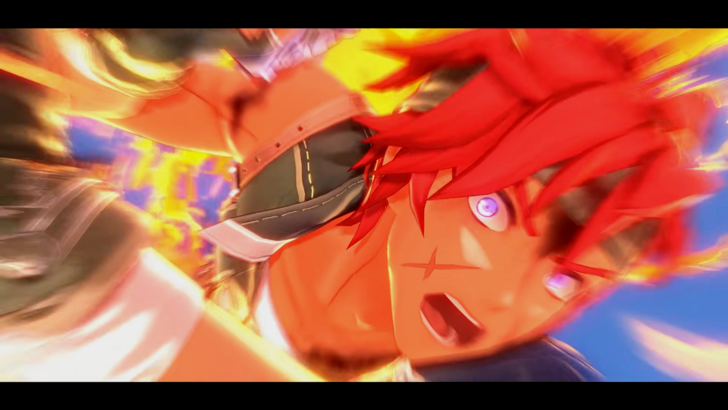
S-Crafts are still those big flashy buttons you wanna press when you really need something dead. They’re basically Limit Breaks from Final Fantasy, and watching one go off never gets old.
Regular enemies are still pretty manageable, though the game has systems that can make tougher fights way nastier. Enemies can enter Rage Boost states that boost their stats and unlock stronger attacks. Ouroboros members get their own Enforcer Boost mechanics. I haven’t gone deep enough to see how far the game pushes these systems, but even this early, they give me a reason to actually pay attention instead of just coasting.
JRPG Fans, Rejoice!
JRPG fans really are eating good this year. Fire Emblem: Fortune’s Weave just dropped, Final Fantasy Resonance is right around the corner, and there’s enough coming to keep your backlog stacked well into next year. Somewhere in that pile sits this remake of a 20-year-old game, and it’s already made a pretty strong case for itself as one of the best JRPGs I’ve played this year. That’s no small feat when it’s going up against so many other heavyweights in the genre, but a couple of hours with 2nd Chapter was enough for me to see why this remake has been getting so much buzz.
I’m still far from the finish line, so think of this as a snapshot of where I stand right now. There’s a lot more to dig into once I’ve seen the whole thing through. A few spots could use some polish, and the pacing will test your patience if you’re not in the mood for the classic Trails rhythm.
But there’s a ton of Liberl left for me to explore. I had a great time in the region during Trails in the Sky 1st Chapter, and if that playthrough is anything to go by, I expect to have just as much fun, if not more, here. Estelle’s got a new journey ahead of her, and I’m already hooked to see where it all goes. For now, jumping back into Liberl was an easy call. This is what a good remake looks like.

The Bottom Line
Trails in the Sky 2nd Chapter keeps the turn-based tactical combat the modern Trails series is known for, packs in Quick Battles for field scraps, and expands the Orbment system to seven Quartz slots. Estelle’s search for Joshua gives the story a personal engine, Kevin Graham is a great new face, and the returning cast slips right back into place. It’s a first impressions verdict so far, but a couple of hours were plenty to see why this remake has people buzzing.