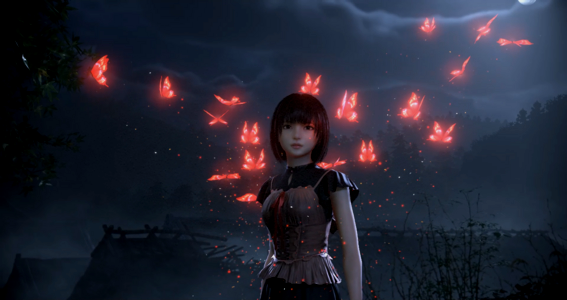
Townfall drags Silent Hill to 1996 Scotland, where Simon Ordell heads back to the fog-drowned island town of St. Amelia to “put things right.” What I found across eight hours and three of the game’s six chapters is a spin-off that finally nails the identity of Silent Hill. It’s confusing, it’s slow, and it’s absolutely terrified me. Here’s everything we know, how it plays, and my first impressions.
What’s the Setup?
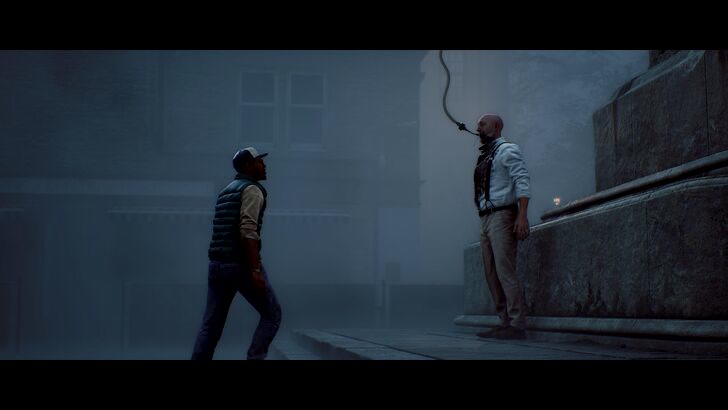
Simon Ordell gets called back to St. Amelia, an isolated island town in Scotland, in 1996. His mission, on paper at least, is to put things right. What’s waiting for him is a fog-covered town that looks abandoned but is anything but empty. Pieces of its past, and Simon’s own connection to the place, keep bubbling up to the surface.
As reality and delusion blur together, Simon’s trip turns into a psychological mystery where the truth is never as simple as it seems. Played entirely in first-person, the game mixes exploration, stealth, combat, and story-driven puzzles as you pick through the fog-drenched streets. You can fight back with melee weapons and guns, sneak past enemies, and use the CRTV to track threats and piece together fragments of the town’s past.
Silent Hill: Townfall releases on September 24, 2026, with a three day early release for the deluxe edition.
It’s Actually Silent Hill
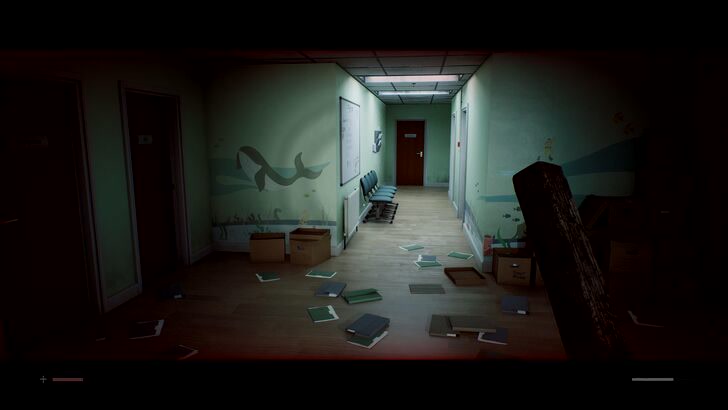
Contrary to what some people think, Townfall isn’t the series’ first first-person game. There’ve been spin-offs like The Short Message, plus the full-blown cancelled project that somehow became one of the most beloved horror experiences ever made, P.T. But even though Townfall isn’t a mainline entry, it’s got something those other first-person Silent Hill projects have struggled to nail: the actual identity of Silent Hill.
See, it’s not really just the fog that makes something Silent Hill. It’s the paralyzing fear that makes you freeze in place, stare at whatever’s in front of you, and think, “Do I actually wanna walk over there?”
The last mainline entry, Silent Hill f, was a great game on its own, but it never once made me stop in genuine fear. Here in Townfall, there were moments where I just stood there for minutes because I really didn’t wanna find out what was waiting for me. That hesitation, that dread of moving forward when every instinct is screaming at you to stay put, is what makes something Silent Hill. And Townfall gets that.
I’ve got plenty of things to say about the game that aren’t exactly flattering, but having that Silent Hill identity isn’t one of them. If anything, it’s the part that has me most hyped, because even when I’m questioning some of its choices, I never once question whether I’m playing a Silent Hill game.
St. Amelia Is a Mystery Unravelling
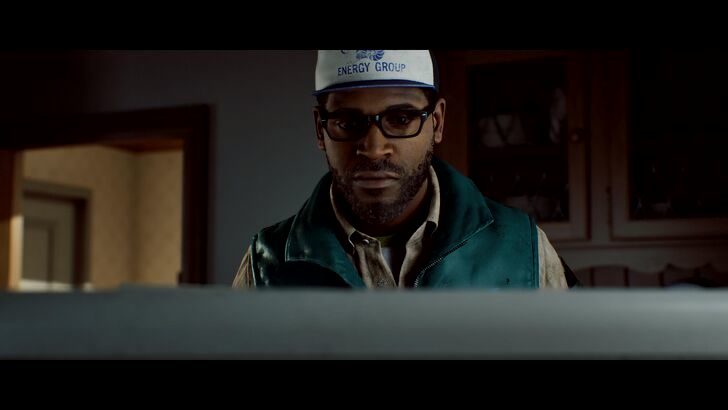
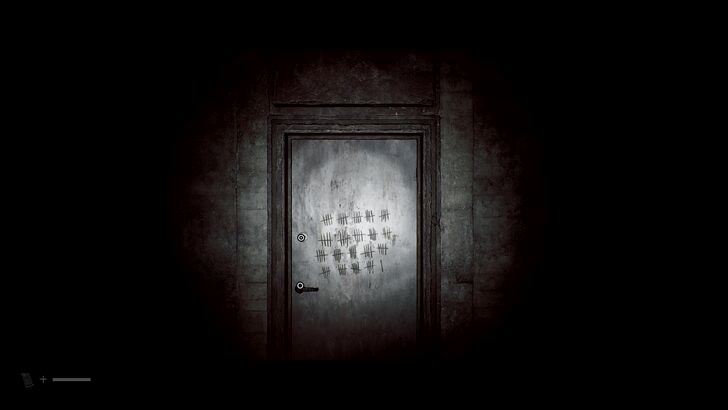
The story so far, across the eight hours and first three chapters I’ve played, is still a very deliberate mystery. We follow Simon, a guy whose main reason for being in St. Amelia is that someone called him to come back. His motivation slowly shifts from needing to return and help the people here to needing to find Zoe and help her instead.
We also switch over to Zoe Ellis’s perspective, following a storyline that reveals what happened in St. Amelia and what her connection to Simon is. The bigger picture is easier to grasp. St. Amelia has been hit with a massive health epidemic while simultaneously running out of clean water to drink, bathe in, or use for anything else. What’s still unclear is how any of that connects to the creepy changes happening around town. At this point, it’s very much in the “Is this real? Or is all this in their heads?” territory.
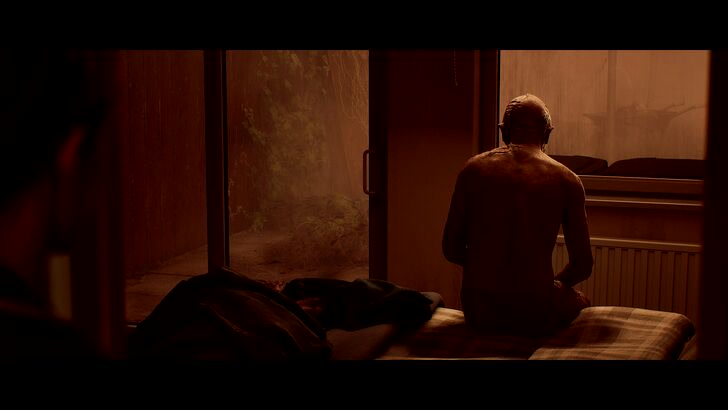
With six chapters total, the first three are all about handing me pieces without showing me the full puzzle. I’ve got a rough idea of what’s going on, but I’m constantly wondering if I’m connecting the dots right or just fooling myself into thinking I understand something I absolutely don’t.
That uncertainty carries right into how I play. I’m not just moving through St. Amelia waiting for the next story beat to explain everything. I’m paying attention to what I’m seeing and trying to make sense of the weird stuff happening around me. Every unanswered question is another reason to keep pushing forward, especially knowing three more chapters could completely flip how I understand everything I’ve seen.
Simon’s Confusion Puts Us Right There With Him
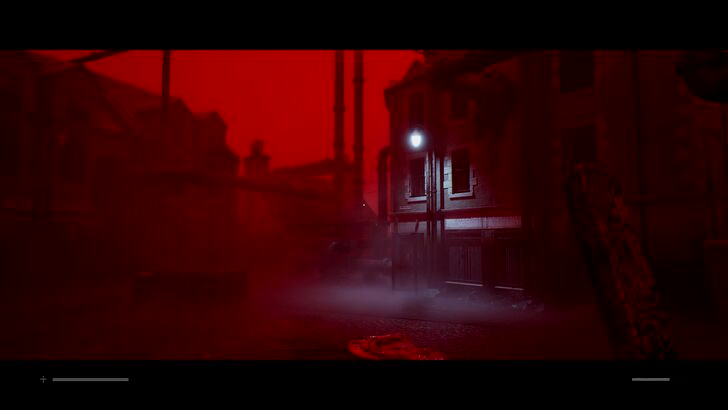
For the first chapter, Townfall isn’t as straightforward as, say, Silent Hill 2. In SH 2, we get a clear answer for why James Sunderland is heading to Silent Hill: his dead wife sent him a letter. Here, Simon is basically just told to come back, and we see him show up in town with an IV hooked to his hand and taped to his arm, with zero explanation. Who told him to come back? Why is he here? And what the hell happened to him? The game isn’t exactly in a rush to answer any of that.
It’s confusing at first, and it probably would’ve been a little less so if we got some inner monologue from Simon early on. Still, it’s not a huge issue, because it’s the kind of confusion that’s totally intentional. The goal is to put us players in the same boat as Simon and ask the same question: “What the hell is going on here?”
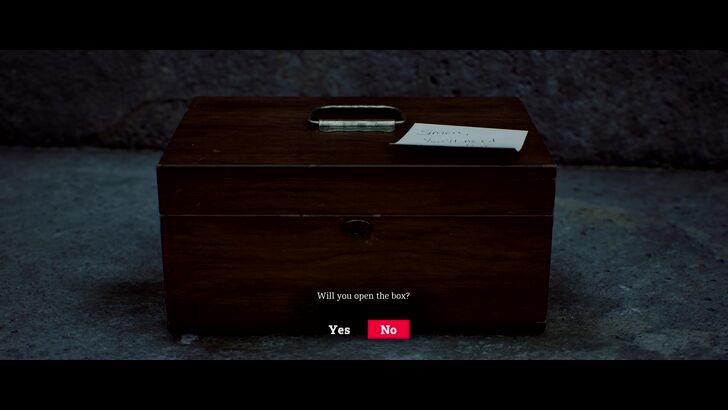
As annoying as that can be, I actually love what it does for the experience. I’m not sitting there waiting for Simon to explain things, because he doesn’t understand them either. Instead I’m forced to push forward with the same limited info he has, which makes those early moments feel less like investigating a mystery with full context and more like stumbling into one right alongside him.
That uncertainty also makes the first chapter way more intriguing. I don’t know what Simon is supposed to know, I don’t know what I’m supposed to know, and Townfall isn’t in any hurry to clear that up. I’m just as lost as he is, and that’s kinda the whole point.
Playing as a Silent Hill Nurse Is a Fascinating Turn
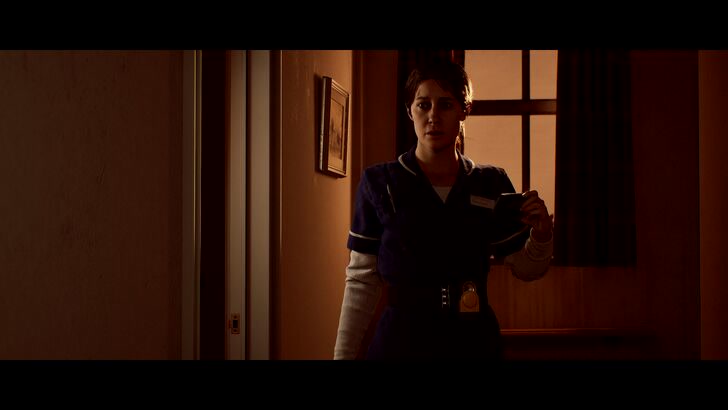
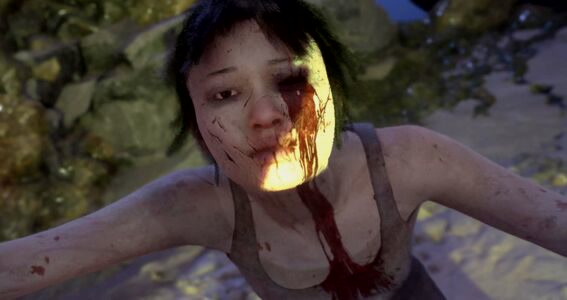
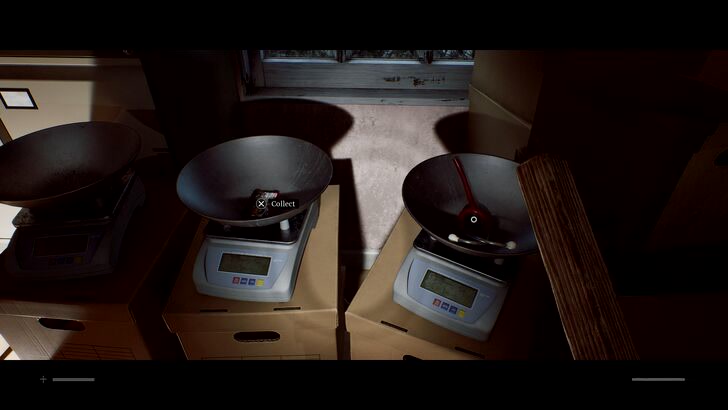
While there’s a ton of confusion around Simon at first, Zoe at least has some sense of direction. We still don’t know exactly what went down, but we immediately know Zoe is a nurse, and she’s right on the frontlines of whatever disaster has hit St. Amelia.
And honestly? Playing as a nurse in Silent Hill is pretty damn cool. For so long, nurses have been one of the franchise’s most iconic horror figures, something players instinctively associate with the series’ grotesque, psychological nightmare. Getting to actually play as one is a fascinating reversal.
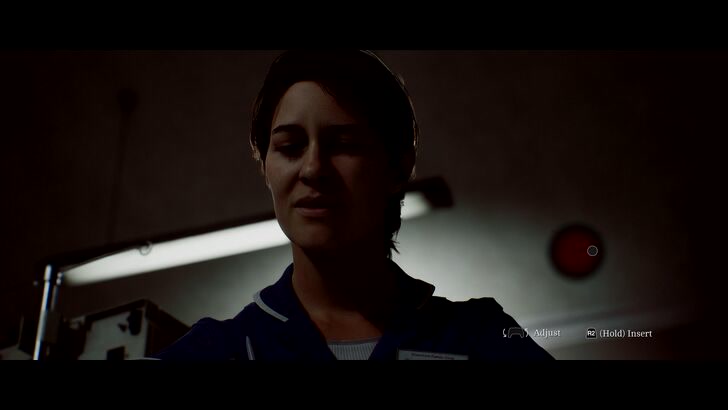
Instead of just seeing a nurse as something to be scared of, I’m now experiencing the psychological toll of being the nurse who has to deal with all of this. Zoe isn’t just occupying the same space as characters we’ve spent years being terrified of. She’s living through the kind of situation that could make someone understand why Silent Hill’s nurses became so psychologically disturbing in the first place.
That immediately made me think of Lisa Garland. We’ve spent so much of Silent Hill’s history looking at nurses through a horror lens, so experiencing that perspective from the other side feels surprisingly meaningful.
Townfall Knows How to Get Inside Your Head
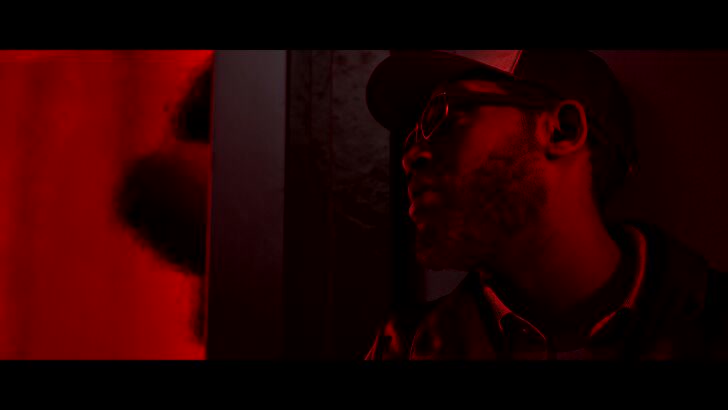
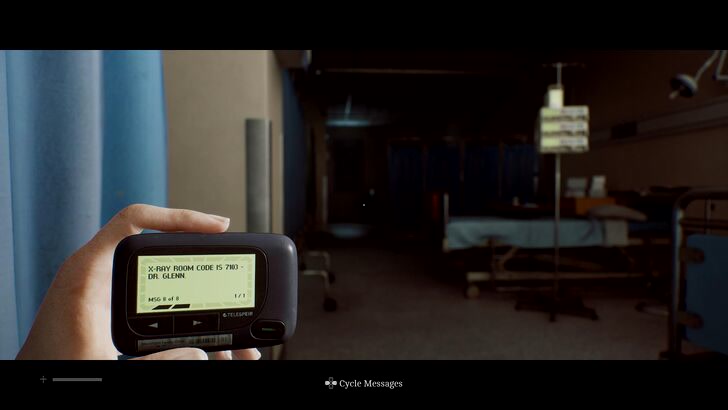
The overarching story, which unfolds further as we play as Zoe, is incredibly gripping and plants a ton of questions I’m desperately hoping click into place as the narrative moves forward. The characters around Zoe are already proving to be strong side characters, even if I haven’t properly met some of them yet, like Dr. Glenn. There’s clearly more going on with the people around her, and I’m especially curious how they’ll feed into the psychological side of the story as we learn more about what happened to St. Amelia.
But what I’m loving the most is how Townfall tells its story. Silent Hill has a very specific DNA when it comes to messing with your head, and there’ve already been plenty of moments here that remind me exactly why I love that about the series. One happens when Zoe has to call Dr. Glenn to get access to the hospital. At first it’s just a normal phone call. Then it starts getting… weird. It reminded me so much of Silent Hill 3’s “Happy Birthday, Dear Who Are You” phone call, not necessarily because of what was said, but because of how the conversation starts completely normal before slowly spiraling into something that makes you question what the hell you’re even listening to.
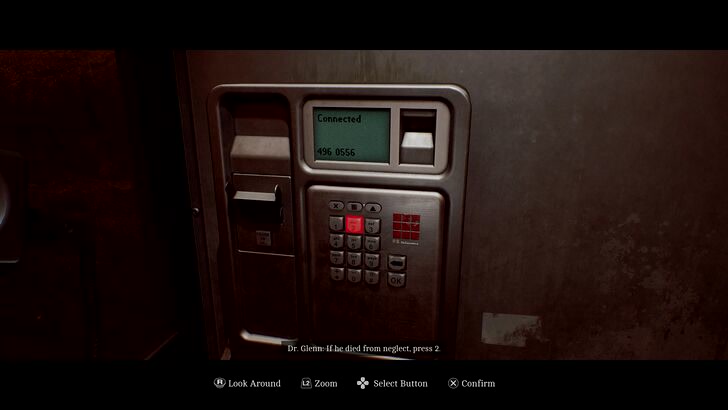
Was that phone call real? Was Zoe actually talking to Dr. Glenn? Or was something else entirely going on?
That’s the kind of storytelling I want from Silent Hill. Townfall isn’t just telling me something is wrong. It’s making me question my own understanding of what I’m experiencing. I don’t just have to solve the mystery of St. Amelia. I also have to figure out whether I can even trust what I’m seeing and hearing.
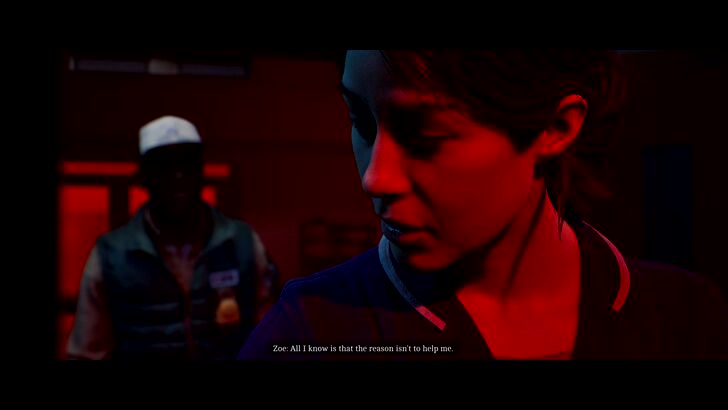
Moments like this land way harder than just throwing a monster at me. I’m left carrying that uncertainty even after the scene ends, wondering whether what I just experienced actually happened. And when a game can make me question a regular phone call this much, I know it’s already getting under my skin exactly the way Silent Hill should.
St. Amelia Slowly Transforms Into the Silent Hill I Was Looking For
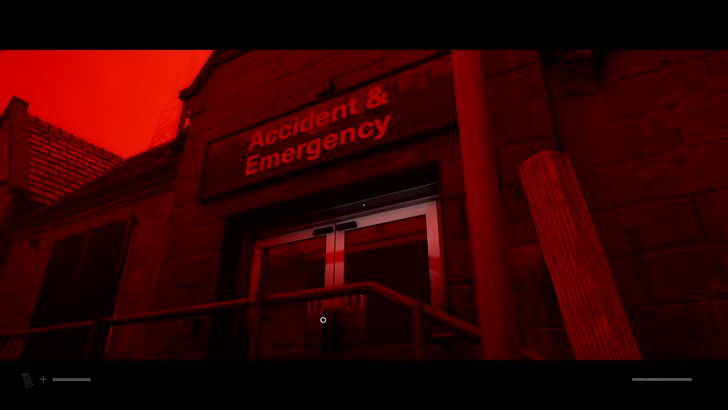
Truth be told, I’m a horror fan who’ll play just about anything in the genre, but first-person horror is probably my least favorite. Partly because of my own motion sickness, but mostly because so much modern first-person horror has become total slop. So yeah, I was a little worried about Townfall going in. If you look at the mainline games and most major spin-offs, Silent Hill is known for its third-person perspective, and I was concerned jumping into first person would make Townfall fall into the same traps that have made so much first-person horror feel weak.
Thankfully, it doesn’t. Well… not at first.
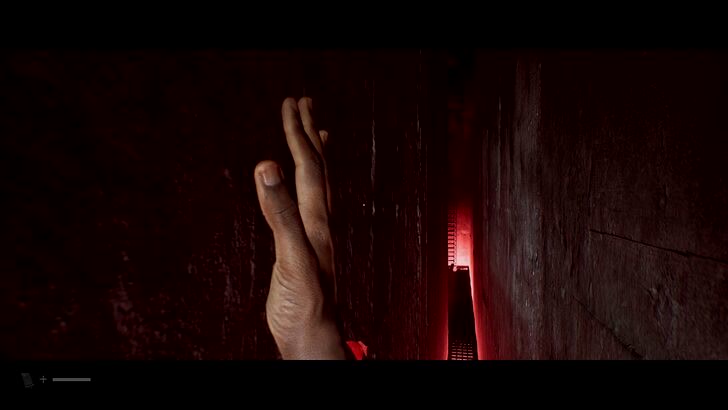
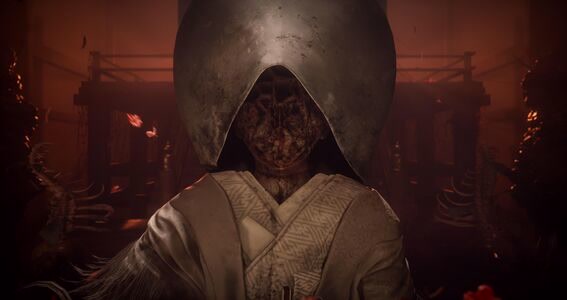
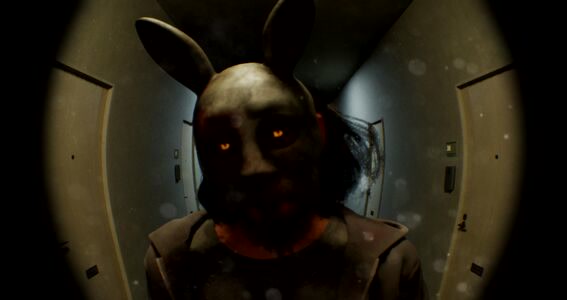
Before the prologue, the places Simon moves through don’t immediately look or feel like Silent Hill. I found myself wandering through a bunch of liminal spaces that felt almost deliberately out of place for the franchise. It was a little jarring because I wasn’t getting the visual language I expected, and for a while I was genuinely wondering where the hell Silent Hill was hiding in all of this.
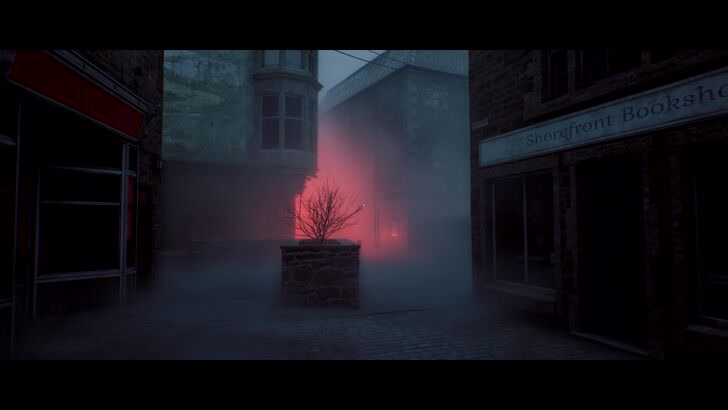
But as I got into the proper chapters, especially by Chapter 3, that Silent Hill DNA started showing up way more. The quaint island town gradually turns into something much darker as the environment becomes infested with… something. At first this actually stressed me out, because parts of the map also got blocked off, making me wonder if whatever was happening was gonna start chasing me around town. Thankfully, that wasn’t the case.
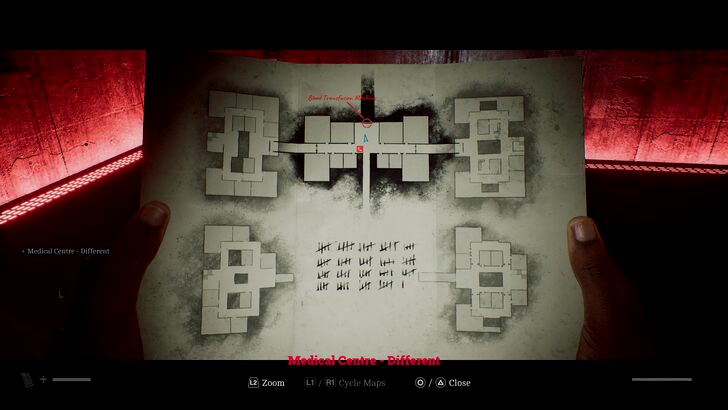
Key locations like the hospital start changing in ways that immediately bring to mind Silent Hill’s obsession with the Otherworld and its twisted dimensions. It’s not quite as dramatic as the scene in Silent Hill 3 where Heather gets trapped in the bathroom and the horrifying version of the mirror starts bleeding into reality, but Townfall takes a much slower approach to the same concept.
The environment doesn’t suddenly transform in front of you. It deteriorates. Familiar places get more and more corrupted, and that slow burn makes me feel like I’m watching St. Amelia itself come apart at the seams alongside the mystery.
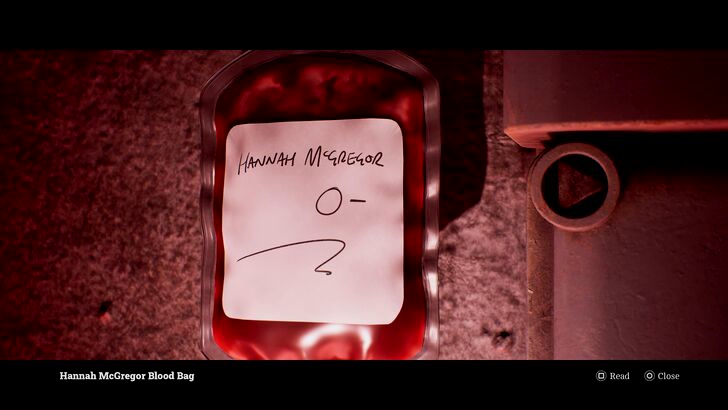
That’s ultimately what made the first-person perspective work for me. It’s not using first person as an excuse to make another generic first-person horror game. The perspective is just how I’m experiencing Silent Hill’s particular brand of psychological decay. I’m still exploring a world that gets more horrifying the more I understand it, and because the changes happen gradually, I actually get to notice the place falling apart around me. For someone who went in worried that first-person would strip away what makes Silent Hill feel like Silent Hill, I’m pretty damn happy with how it turned out.
The Music Sounds Like Silent Hill Without Copying Yamaoka
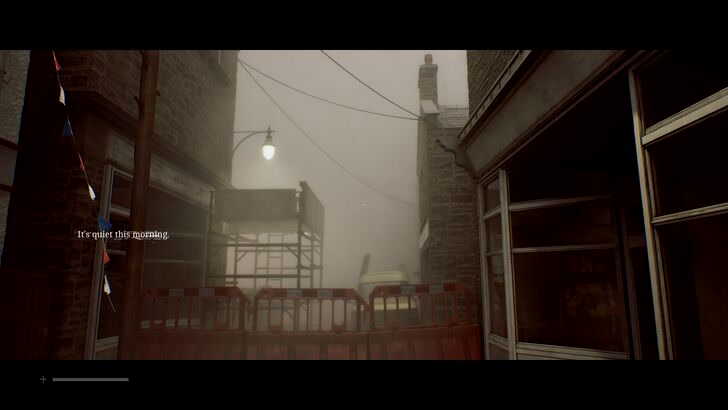
Townfall isn’t scored by Akira Yamaoka. The music is composed by Anthony Bruns, better known as Pilotpriest, and it still feels very much like Silent Hill. It’s haunting, melancholic, and carries that specific sense of unease that makes even moments where nothing’s happening feel like something’s about to go down.
A big part of what makes Silent Hill work is how much the series leans on music and sound to build atmosphere. Townfall isn’t just trying to sound like Yamaoka either. It sounds like Silent Hill without needing to copy him. There’s something really effective about hearing music that feels fresh to Townfall while still instantly triggering that familiar sense of dread.
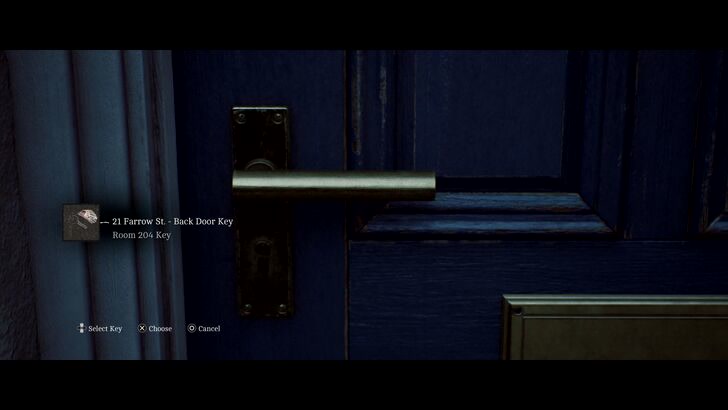
Even the SFX and HUD carry a ton of classic Silent Hill DNA. I literally went through the menu for the first time and immediately went, “Hey! This sounds like Silent Hill 3!”
The audio establishes the game’s identity before the setting fully does. Even when I’m walking through an unfamiliar space that doesn’t immediately scream Silent Hill, the music, sound effects, and interface quietly remind me that I’m still very much in one. That familiarity makes St. Amelia’s eventual transformation hit even harder, because by the time the environment finally looks the part, the game’s already made me feel like I’m home.
It Brings Back the Survival Horror
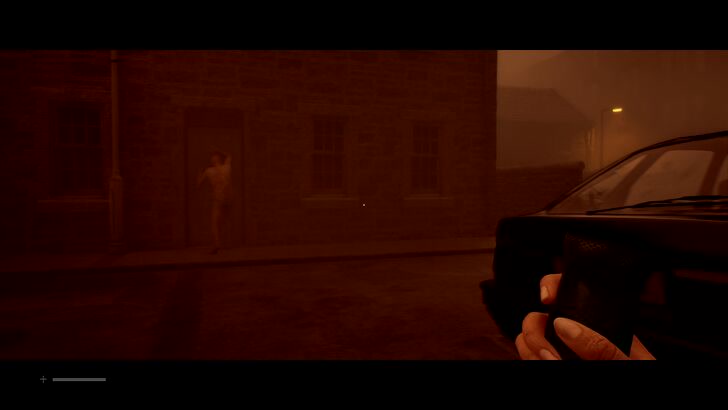
But really, what matters most to me is the gameplay. Look, Silent Hill f was a solid horror game in its own right, but it shifted some of its core mechanics away from what I traditionally expect from the series. It wasn’t objectively bad, just a departure that gave people plenty to talk about. Townfall, on the other hand, might be a spin-off and it might look very different thanks to the first-person perspective, but it plays very much like Silent Hill. From its combat to its puzzles, it brings back the survival aspect of this survival horror.
Clunky Combat Makes Every Encounter Feel Like a Fight to Survive
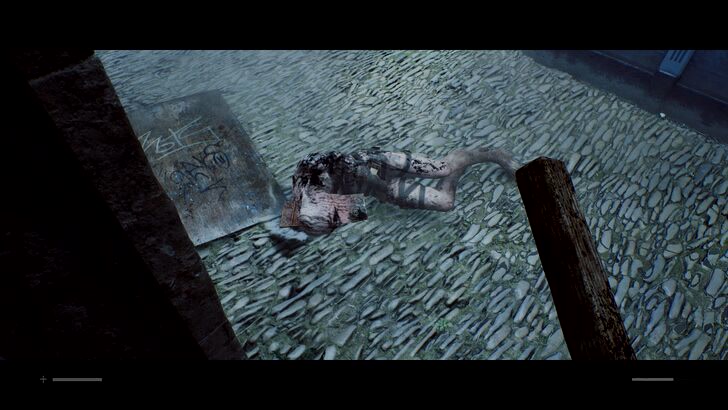
Combat is super clunky, and honestly, that’s very much in line with the Silent Hill formula. Players aren’t supposed to feel powerful or like they can effortlessly take down whatever gets in their way. Silent Hill has always worked better when its combat makes you feel vulnerable, and Townfall carries that over surprisingly well.
Simon can fight back, but Zoe can’t. That reinforces the idea that you’re not always meant to fight your way out. Sometimes all you can focus on is surviving, and that doesn’t necessarily mean going toe-to-toe with an enemy and relying on brute force.
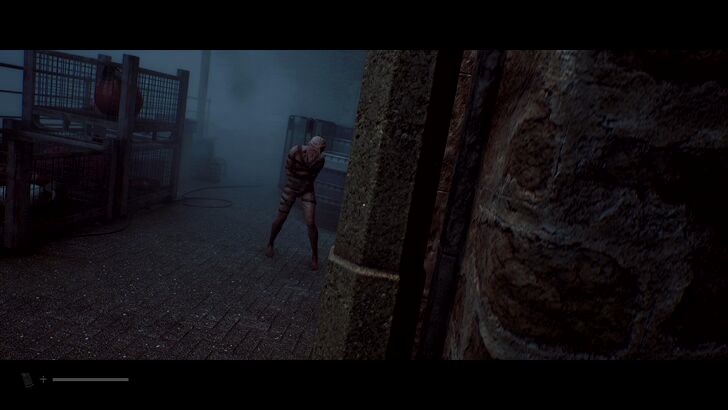
One mechanic here is peeking around corners. Yep, you can now hug walls and peek to see where an enemy is, and I genuinely cannot tell you how much time I spent glued to walls just to figure out whether something was waiting for me on the other side. It sounds simple, but it works really well with Townfall’s approach to survival. Instead of blindly walking into a room and hoping for the best, I can take a second to assess the situation before committing. I’m still vulnerable, but now I’ve got just enough info to make a call.
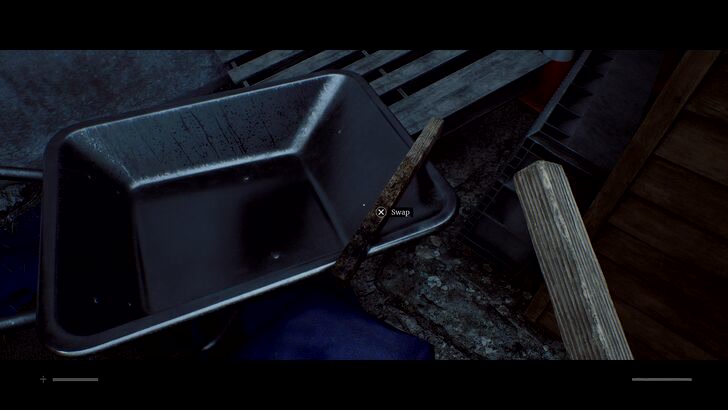
I do have two gripes, though. First, you can’t stack melee weapons. You can only swap between them. I wouldn’t call that bad game design, since it does add to the immersion. Simon and Zoe are one person each, after all, and it makes sense they can’t carry an unlimited arsenal. But it’s still a little annoying, because whenever I find a new melee weapon, I’ve gotta decide to swap to it right away instead of using my current one until it breaks. There were plenty of times I would’ve rather finished what I already had first.
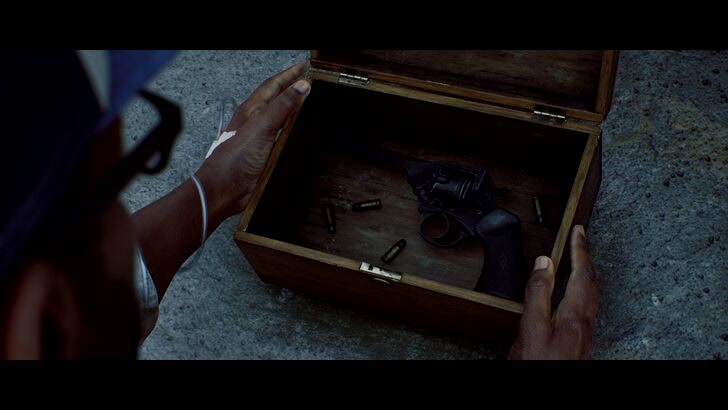
The second issue is that ranged and melee damage are basically identical. If it takes three melee hits to kill a monster, you have to shoot that same monster the same number of times before it goes down. Honestly? That feels like a betrayal of trust. A gun should obviously have some advantage over getting up close and personal with a monster. Instead, Townfall makes the two feel interchangeable, which takes away some of the satisfaction of finally getting your hands on a firearm.
That doesn’t ruin the combat for me, because the awkwardness and vulnerability are still very much part of what makes Townfall feel like Silent Hill. But when the game gives me a gun, I want it to feel like I’ve gained something beyond just another way to hit the same enemy three times.
Monsters Don’t Care Which Room You’re Hiding In
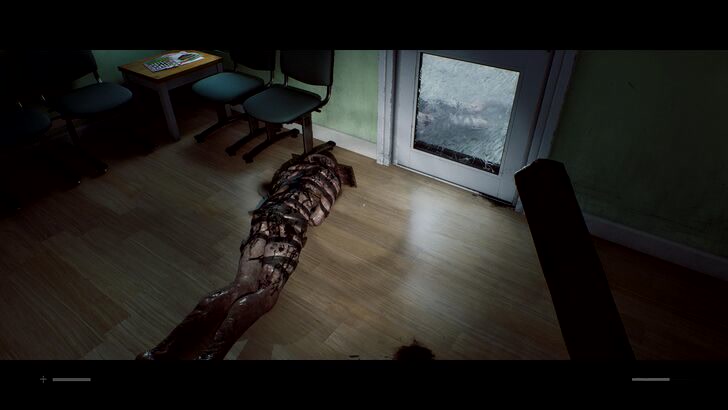
The monsters themselves are a whole different beast. Usually, in most survival horror games, there’s a limit to how far enemies will chase you. You can run into another room and the enemy might hang around outside for a bit, but there’s usually some invisible boundary that tells the game, okay, that’s far enough. Cross it and you’re safe.
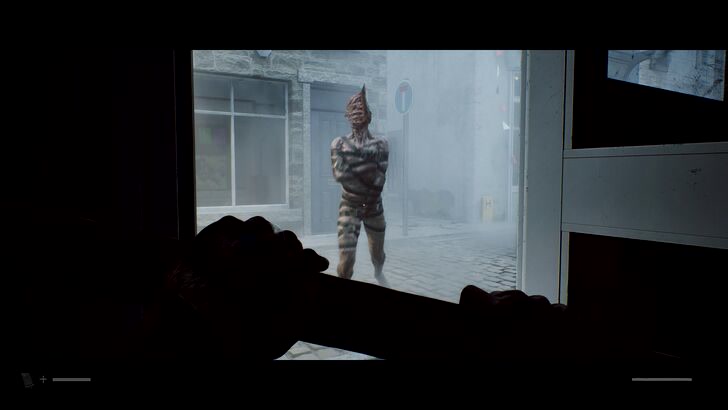
Not in Townfall. These monsters can open doors. Yeah, they can actually follow you into another room, and while that’s absolutely miserable for me as a player, it’s also fantastic for the experience.
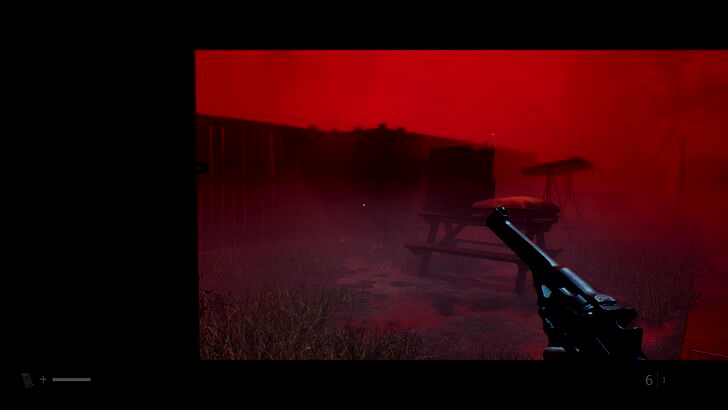
Because once again, Townfall is forcing me to think about how I’m gonna survive, not just how I’m gonna kill whatever’s chasing me. If I know an enemy can open doors, I can’t just sprint into the nearest room and assume I’m safe. I have to think about whether the room I’m entering can actually protect me, whether there’s another way out, and whether I’ve been loud enough for the thing to follow me in.
It puts me way more directly into Simon and Zoe’s shoes. I’m suddenly careful about every sound I make, because the room I need to reach might not even have a lock. And if that monster spots me, I’m not necessarily getting away just because I made it through a doorway.
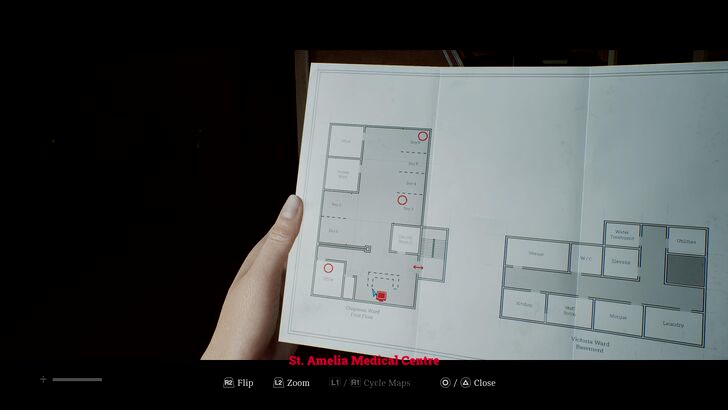
I learned that the hard way. There was one moment where a monster spotted me, and I basically had to let it wail on me while I grabbed what I needed from the room. Thank god I had a few gauzes and med kits stashed at that point, because I’d been trying to save them. By the time I finally escaped, I was running on fumes health-wise.
And honestly? That’s exactly the kind of encounter I want from Silent Hill. It wasn’t hard because the monster had some absurd health pool or because I had to memorize some complicated attack pattern. I was in trouble because I messed up and the game made me pay for it. Now I’m limping away with barely any health, knowing the resources I’d carefully hoarded are gone. For a survival horror game, that’s exactly the pressure I’m looking for.
The CRTV and Pager Give Classic Tools a New Purpose
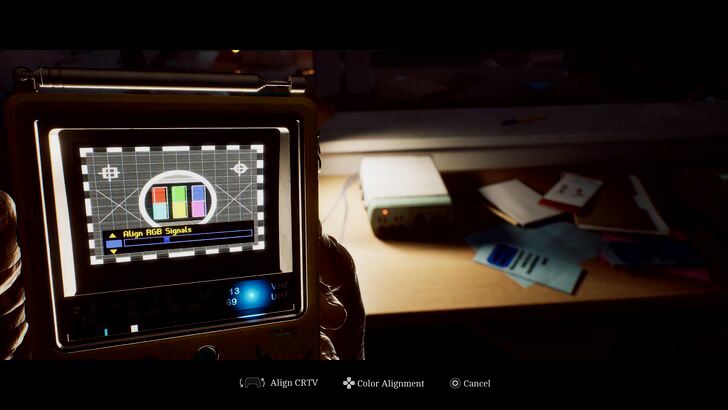
Townfall also modernizes how it handles the series’ iconic tools. Simon’s got the CRTV, while Zoe has her pager. They serve completely different purposes, but both also work as enemy trackers, which is incredibly handy when you don’t have much to fight back with.
If I know an enemy is nearby but don’t know exactly where, having a way to track its position gives me at least some control over the situation. I can figure out where the monster is, plan a route around it, and ideally avoid it altogether.
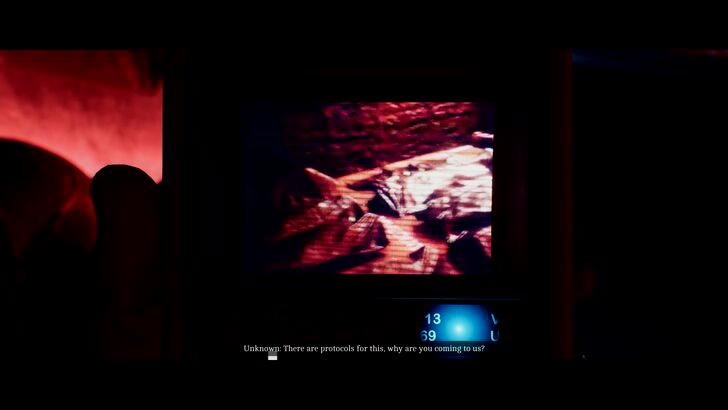
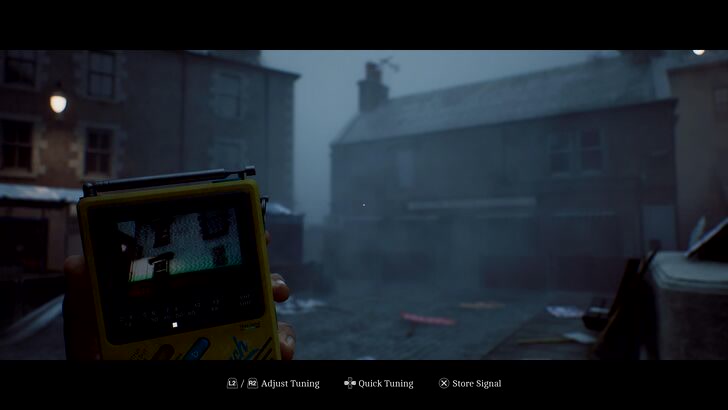
But these tools aren’t just fancy enemy detectors. They’re baked into the puzzles too. Zoe’s pager tells her where to go next, while Simon’s CRTV shows him snippets of past scenes that he has to piece together by tuning to the right frequency. There’s even a mechanic with a VHF radio where I have to physically tilt my controller to fine-tune the frequency, which gives the whole thing a much more hands-on feel.
It would’ve been easy to turn these into simple press-a-button-and-get-a-clue mechanics, but Townfall makes me actually engage with them. More importantly, I think this is Townfall’s way of modernizing one of Silent Hill’s most recognizable mechanics: the radio. If you know the mainline games, you already know how crucial the radio is, alongside the flashlight. Its static warns you that a monster is close, often giving you an early heads-up before you can even see what’s coming.
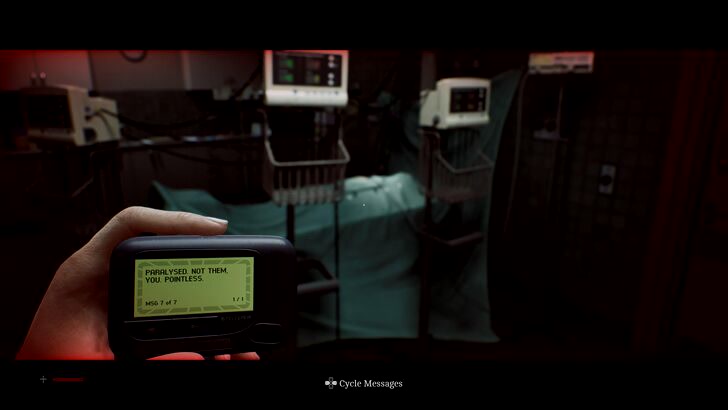
Townfall takes that familiar concept and expands it into something way more involved. Instead of just carrying a radio that crackles when something’s nearby, Simon and Zoe have tools that help them understand, locate, and interact with the horrors around them.
A Worthwhile Silent Hill Experience
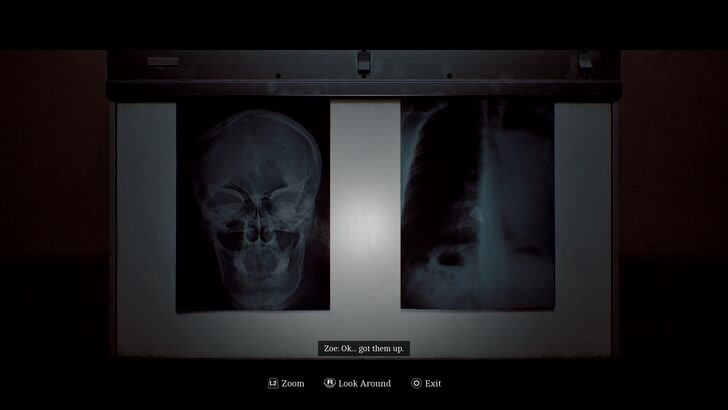
With six chapters and five different endings, Silent Hill: Townfall is a pretty meaty package for $49.99. There’s plenty to get through length-wise, and the content is packed with enough mysteries, puzzles, encounters, and story details to make the whole thing feel worth your time.
Most importantly, Townfall feels like a worthy addition to the Silent Hill franchise. It takes the series in a first-person direction without losing the things that make Silent Hill feel like Silent Hill. The story keeps me questioning what I’m actually seeing, the environments slowly decay around me, the combat keeps me on edge, and even the music, sound effects, and mechanics carry that unmistakable franchise DNA.
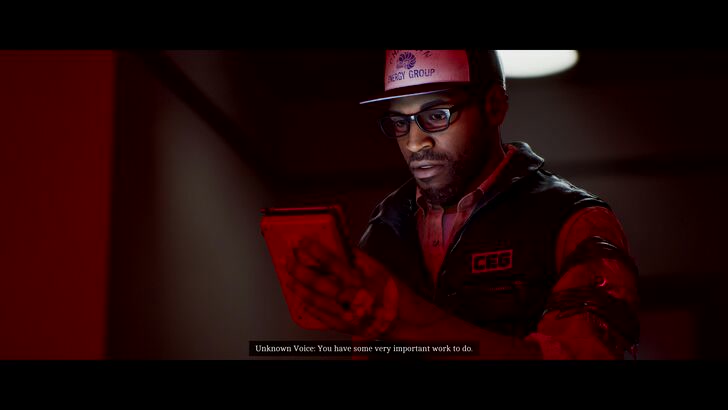
For a series that’s tried out a lot of different ideas over the years, Townfall manages to feel both fresh and familiar at the same time. And after eight hours and three chapters, with three more chapters and multiple endings still ahead of me, I’m more than ready to see where this particular nightmare goes next.