
Overview
Onimusha: Way of the Sword sets a new bar for bringing long-dead IPs back to life. The series comes roaring back in the RE Engine, and Capcom has clearly leveled up their optimization and presentation. But what really seals the deal is the combat—some of the most intuitive action game design out there—paired with boss fights that are just straight-up well-crafted. It all adds up to something memorable on multiple levels. After 20 years of sitting on the shelf, it feels like the franchise is finally getting its Resident Evil moment, and I’m pretty sure we’ll be seeing a lot more of this IP going forward.
Onimusha: Way of the Sword is the latest entry in Capcom’s iconic action samurai series, where you’re slicing through demons in feudal Japan. Stick around for the game’s plot, gameplay, release date, our first impressions, and more.
Overview
What is Onimusha: Way of the Sword?
Onimusha: Way of the Sword is an action game from Capcom coming out on September 25, 2026 for the PlayStation 5, Xbox Series X|S, and Steam. Set in a curse-ridden Kyoto, the game follows legendary sword saint Miyamoto Musashi as he tears through hordes of yokai and cursed spirits.
The whole thing is built around a precision-driven combat system that’s all about reactive play—perfectly timed counters, lethal one-hit finishers, and devastating Oni Armaments let you turn the tide of battle through pure skill.
Onimusha: Way of the Sword features:
- Fictional Japan Setting
- Expressive Characters
- Samurai Cinematography and Visuals
- Reactive Action Combat
- Semi-Open World Design
- Collectible Cosmetics
- New Game+
For more gameplay details, read everything we know about Onimusha: Way of the Sword’s gameplay and story.



Onimusha: Way of the Sword Review: On The Way to Becoming Capcom’s Next Blockbuster IP
Coming Back From Hell
Everyone’s got that one game they wish would make a comeback. Could be a remaster, a remake, a reboot, or even a straight-up sequel—we all have that title we want to see get the modern treatment. I’m not gonna open a can of worms and talk about the games that NEED that kind of love, but one thing I know for sure is that Capcom has been absolutely killing it with reviving their older titles, especially with this new Onimusha.
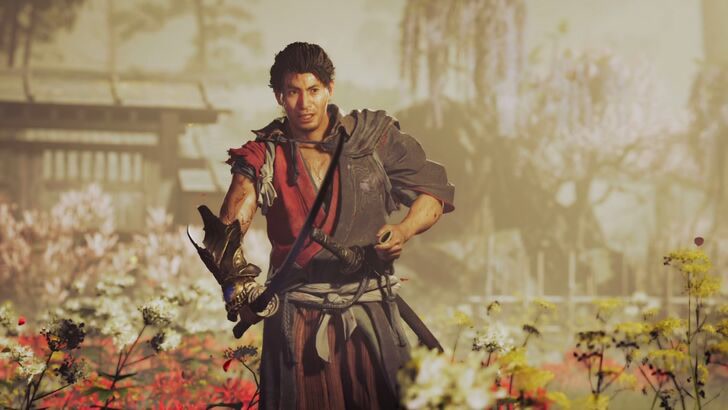
For those who aren’t familiar, Onimusha is one of Capcom’s older action titles. It had a formula similar to their other blockbuster action series, Resident Evil, except this time it was set in a fictional, demon-infested feudal Japan. It’s no secret the game was overdue for a new entry—it’s been over two decades since the last one dropped.
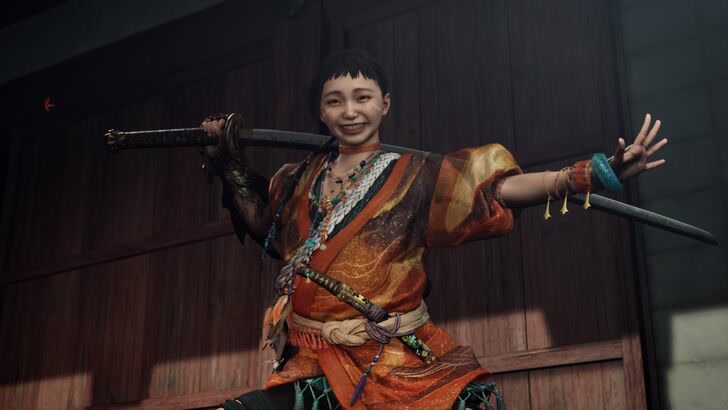
After rolling the credits, Onimusha: Way of the Sword might just be Capcom’s best game in recent memory, and a culmination of everything they’ve learned and done right with their recent releases. Now, I’ll admit I’m coming at this as both a series fan and an action game fan in general, but trust me when I say this game nails most of what it sets out to do—both technically and creatively.
The way they bring historical characters to life, the simple yet gripping story that keeps you hooked, and above all, the combat system that’s built to make you look cool while constantly pushing you to up your game—Onimusha: Way of the Sword is what action games should be striving for, especially when you’re dealing with an IP that’s been dormant for 20 years.
A Tale of Demons, Demon Slayers, and Hell
Onimusha: Way of the Sword follows the legendary samurai, Musashi Miyamoto, on his journey to become the strongest through the titular Way of the Sword. Things don’t exactly go according to plan when he dies at the hands of demons—the Genma—but he gets a second shot at life when he receives the Oni gauntlet and becomes an Onimusha. He’s not exactly thrilled about getting power that didn’t come from his own training, so he travels across Japan searching for the true meaning of strength, all while keeping the Genma from kicking open the gates of Hell.
Like I mentioned in the demo review, Musashi’s character is super well-defined and might honestly be the strongest part of the narrative. His laid-back attitude mixed with quiet confidence is something the game nails at every turn. On top of that, he’s by far Capcom’s most expressive character to date, with a huge range of facial expressions that really shows how far they’ve come with animation.
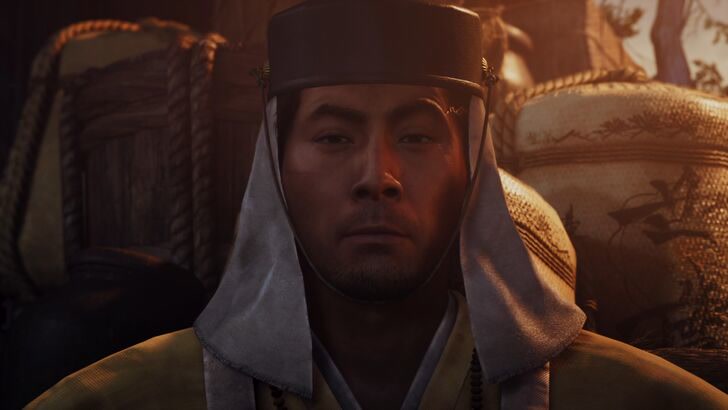
His character arc is also pretty easy to follow and relate to, especially if you know how he’s usually portrayed. For some context, Musashi Miyamoto was a real-life swordsman with an undefeated record across 62 duels. Most media depicts him as a samurai on the path to becoming an unmatched swordsman. In the same vein, that’s exactly how Way of the Sword presents him.
At first he comes off as arrogant because he doesn’t want to accept the strength the Oni Gauntlet offers, but that’s actually where you start relating to the pride of someone who wants to earn everything through their own effort. And it’s at multiple points in the story where he learns to appreciate the opportunity the Oni Gauntlet gave him—being able to go up against even stronger and more legendary opponents.
Outside of his drive to get stronger, he’s a lot like Kasuga Ichiban from the Like a Dragon series: tough as nails on the outside, total softie on the inside. You get a sense of who he is within the opening minutes, where he gives up his only piece of food to people in need. Sure, he can be kind of a jerk at times, but he also shows real empathy for the people around him, especially during the arcs that focus more on the supporting cast. He’s instantly likable, and it helps that he’s probably Capcom’s most animated and expressive character yet.
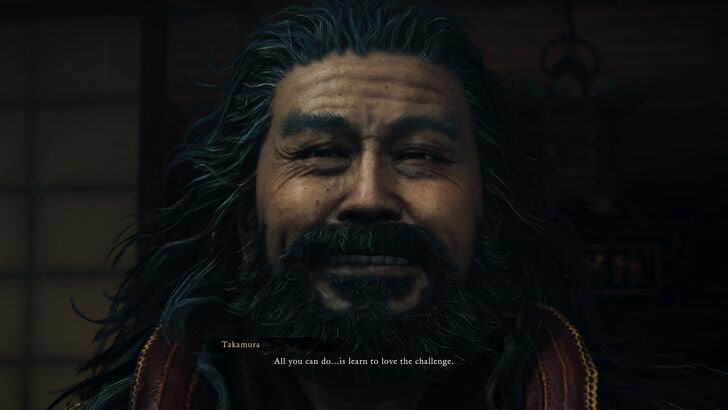
But Musashi isn’t the only standout here. From the stoic Ono no Takamura, who serves as Musashi’s guide and mentor as a fellow Onimusha, to the bubbly and cheerful Izumo no Okuni who cheers him on from the sidelines, plus Shizuka Gozen who gives Musashi his strength in the first place—the game manages to make every character steal the spotlight from an already charismatic protagonist, which is impressive on its own.
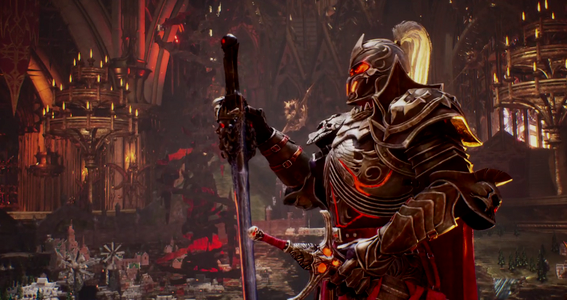
And let’s not forget the villains, because all the key antagonists are some of Capcom’s best work too. Sasaki Ganryu’s completely unhinged personality is on full display throughout the game, and he’s a perfect example of an Onimusha chasing the “wrong” kind of strength by consuming human souls. Dokyo, on the other hand, is your classic “evil scientist” type, and she makes you deeply uncomfortable with how she always seems to have some hidden agenda beyond just being insane.
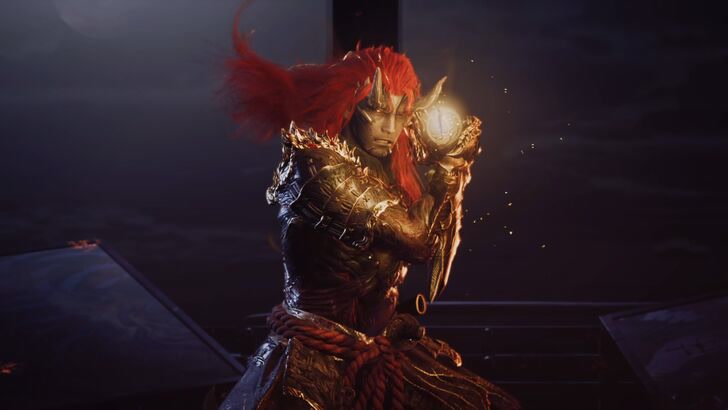
But neither of them holds a candle to Minamoto no Yoshitsune, the game’s biggest bad. Capcom pulled off a huge subversion making him the main villain, since the historical figure is usually portrayed as a tragic hero who was hunted down after doing his duty. In Onimusha, though, he’s a full-on psychotic warlord who conquered Hell itself with one goal in mind: spreading chaos when he opens the gates.
This is also where I gotta give another shoutout to the game’s visuals and voice acting, because that’s really where the characterization comes together. You can see the full range of emotions coming through in both the dialogue and facial expressions.
All of this combines into a story that’s not just fun to watch but genuinely compelling. Yeah, the premise and themes aren’t exactly breaking new ground for the franchise, but it manages to balance its dark, gritty tone with well-timed comedy and witty moments. It’s a complete narrative package—it’s not afraid to keep things light or go as heavy as it needs to be in a story about demons, death, and Hell.
Strong Combat Identity That Wants You to Become Better
I’m just gonna say it. Onimusha: Way of the Sword has, hands down, the best combat and gameplay loop in the series. Look, the bar isn’t super high given how long it’s been since Dawn of Dreams and Samurai’s Destiny, but like I said earlier, Capcom keeps the franchise’s identity intact while adding a modern twist. This was actually my biggest worry going in—that the slow pace and gameplay loop wouldn’t mesh with how action games have been trending toward faster pacing.
But that’s exactly why Way of the Sword stands out.
For some background, the Onimusha series has always been a more defensive, reaction-based action game, which is why it draws comparisons to Resident Evil rather than their faster-paced stuff like Devil May Cry. Way of the Sword takes that methodical combat loop and layers a ton of its core mechanics inside it, basically daring you to push yourself to use them for better rewards.
A perfect example of this is how different the rewards are for a dodge, a parry, a deflect, and most of all, an Issen Counter.
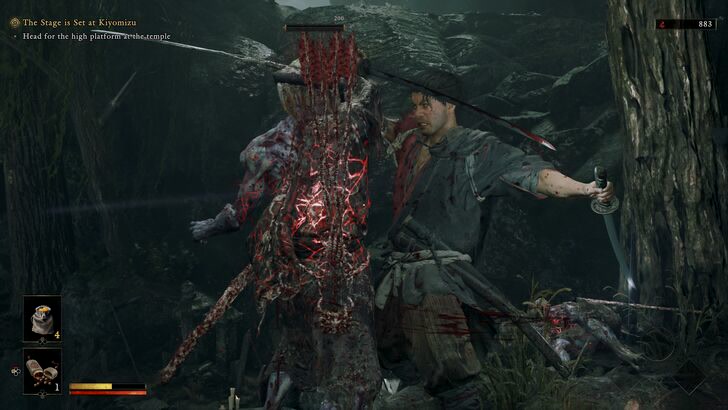
Dodges and parries are pretty much what you’d expect from any action game. Both give you a small opening to deal some damage and chip away at the enemy’s health, with parries also dealing a bit of damage to their Break gauge. Deflects, on the other hand, don’t give you a bigger combo opening, but they hit the Break gauge hard and reflect ranged attacks right back where they came from.
Then there’s the iconic Issen Counter—timing an attack right as the enemy is about to hit you—which deals massive damage to both health and Break gauge. It’ll usually one-shot normal enemies and even gives you a quick window for a short combo.
But the mechanics themselves aren’t the only reason the combat loop works. It’s that the game keeps giving you a reason to use all of them, constantly pushing you to engage with the growing pile of tools it keeps throwing at you. As you move through the game, enemies get tougher and more unpredictable with their attack patterns, especially in boss fights, where you’ve gotta learn and adapt to specific tells and moves.
All of this shines brightest in the boss fights, which are easily the game’s biggest highlight. One early game boss, the Rasho-Gan, is a perfect example. It mixes ranged attacks that force you to dodge or deflect, plus a variety of moves you can exploit with all the defensive tools we just talked about. And as if that wasn’t enough, it’s also one of the bosses that throws a small puzzle element into its design, where you’re meant to use different weapons from your arsenal.
Speaking of bosses, one of the things that makes the combat so satisfying is how much momentum matters. The game rewards you for not getting hit—bosses can’t access their powered-up states if you’re parrying, deflecting, and countering everything they throw at you until they hit their next phase or a certain health threshold. On the flip side, the game punishes you hard for messing up too, making fights way more difficult to manage even in the opening seconds.
But if I had to pick the perfect boss, it’d be the final showdown against Minamoto no Yoshitsune. Final bosses always test you to your limits, forcing you to use every mechanic in the game to deal with everything coming at you. His ability to pull off moves just like yours means you’ve gotta be ready to respond to whatever he does at a moment’s notice. It’s a brilliant mix of gameplay that demands you focus on defense while being a total visual spectacle that shows off his psychotic personality, arrogance, and raw power.
It’s this “offense through defense” philosophy that elevates the game above most others in its genre. Every defensive mechanic has a clear skill ceiling, with well-defined risks and rewards. You can play it safe and slowly chip away at enemies with dodges and parries, or you can speed things up with well-timed deflects and Issens. It’s a masterclass in satisfying combat that pushes you to incrementally improve, forcing you to use everything in your arsenal to handle all the enemies Musashi comes up against.
A Lot of Padding Means Less Meaningful Action
That said, the gameplay loop isn’t perfect. For one, it suffers from not being a fully-linear game like PRAGMATA or Resident Evil: Requiem. There’s a ton of filler between every big chapter as you slowly cleanse Kyoto of Corrupted Malice, and it ends up being more of a lull than you’d expect.
And if you’re gonna do a pseudo open-world, you’ve gotta give players better reasons to explore. Sure, the side quests offer a bit of that, but even they don’t do a great job of showing off different parts of Kyoto. Most of the time these quests send you back to areas you’ve already visited, which makes it feel like an even bigger slog.
The combat also suffers from normal encounters being hit or miss. If you think I’m about to rant about the game “not being aggressive” enough, think again. The combat absolutely shines in boss fights, and it’s also more engaging when you’re fighting multiple enemy types at once. The problem is that those moments don’t happen nearly enough.
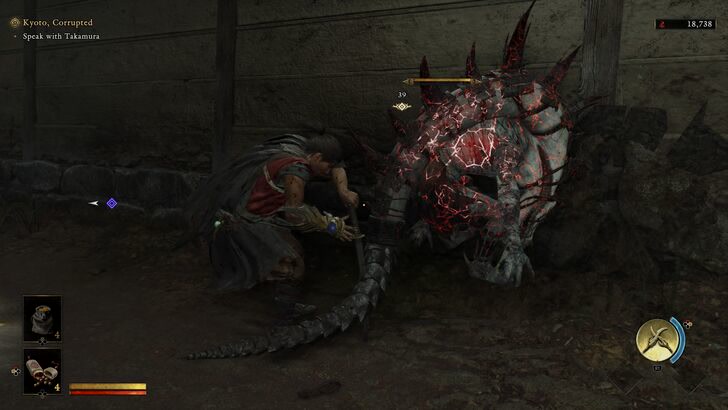
One of my most memorable fights was a side quest where Musashi investigates a nightly procession that turns out to be a bunch of Genma parading through Kyoto. After fighting so many bosses at that point, I was confident I could just cruise through everything. That’s where I got humbled. A mix of heavy enemies, archers, ninja-type enemies, a weird tentacle enemy (Chijiko), and another boss—that’s where I realized the combat is at its best.
It was a blast, the kind of experience I wished the game would keep delivering, but there just aren’t enough of these moments on the default difficulty. At the end of the day, normal encounters do make Musashi feel incredibly powerful, but it’s the open-world design that amplifies the lack of variety in regular fights and makes exploration feel underwhelming, which drags down the whole experience.
Impressive Performance On All Fronts
Finally, I wanna give credit where it’s due—Capcom keeps improving the RE Engine with every single game they put out. It’s no secret the engine has struggled with more open-world design, with games like Monster Hunter Wilds and Dragon’s Dogma 2 having similar performance issues. That said, the optimization improvements they’ve made are clearly visible, and Onimusha: Way of the Sword shows this off better than anything.
I played on a base PlayStation 5, and it’s genuinely refreshing that the game holds a rock-solid 60FPS in Performance Mode with no hiccups. The level of detail also speaks to the game’s fantastic art direction and visual quality, especially in areas with dramatic lighting contrasts, dense foliage, and great hair rendering. There are moments where indoor lighting looks a bit flat, but if that’s the trade-off for perfect stability, I’ll take it every single time.
Is Onimusha: Way of the Sword Worth It?
Absolutely! A Revival That Was Well Worth the Wait!
Onimusha: Way of the Sword is quite possibly the best comeback a series that’s been asleep this long could ask for. Capcom nailed the formula—blending everything that made the franchise iconic with modern action game flair that makes it absolutely shine. For $69.99, the game is a triumph on almost every front, and it’s exactly what I’d point to as the blueprint for what a perfect action game should look, feel, and play like.
I’d call this a must-play for anyone even remotely interested in action games, and doubly so for action game veterans. Like its well-balanced story, the combat scales beautifully. It’s accessible to newcomers who’ve never touched a reaction-based action game thanks to various accessibility options and difficulty settings, while also giving seasoned players a deep enough combat system to really express their skill.
How Long Does It Take to Beat Onimusha: Way of the Sword?
An initial playthrough takes about 20-25 hours, with an extra 4-5 hours for side content. Completionists are looking at 30-40 hours to grab all the achievements, since you’ll need an additional playthrough plus some grinding for specific challenges.
Is Onimusha: Way of the Sword a Souls-Like?
Nope. While the game has all the mechanics you’d expect from a souls-like, it’s not actually one.

Final Verdict
Onimusha: Way of the Sword delivers a excellent experience with a score of 94/100.