
Mortal Shell 2 is one of those games that’ll make you smile when you think back on it, but frown when you remember the details. The combat is polished and hugely satisfying, the world is gorgeous in the most disgusting way possible, and the Shell system is genuinely clever. Then you remember the mobs that gang up on you, the stages you’ve run five times already, and a story that barely exists. It gets the pieces right without quite putting them together, and that gap is exactly why it lands where it lands.
Mortal Shell 2 is a soulslike with a unique Shell system that replaces the standard RPG class system. Read on to see what it did well, where it dropped the ball, and our full review.

What is Mortal Shell 2?
You play as the Harbinger, a prophesied being destined to reclaim the stolen Ova of the sacred Undermether from terrifying creatures that are fiercely protective of her unborn. You possess fallen Warrior Shells, each with unique abilities, and get into brutal, high-stakes combat as you take on false gods and try to redeem a world left in ruins.
The game is an interconnected open world packed with twisted landscapes, forgotten structures, and hidden secrets. As you push forward, you’ll uncover the lost memories of your shells and evolve your combat style to survive the horrors waiting for you. Feature-wise: a unique class system, open world exploration, eight main weapons, eight side firearms, hidden dungeons and side quests, and side stories connected to the main cast.



Now With More Body Horror
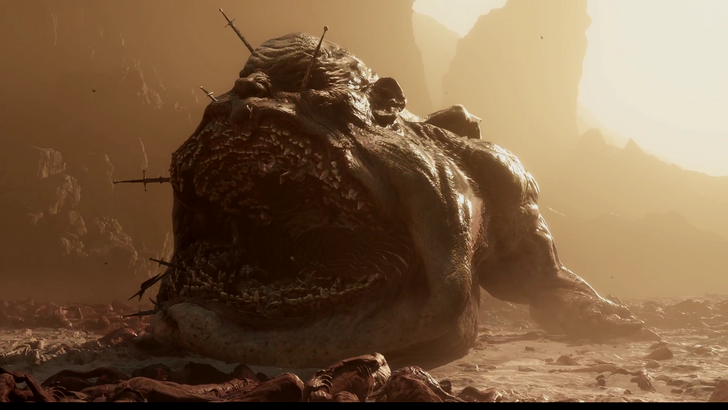
The great thing about Soulslikes is that dying is part of the deal. You get beaten into the dirt, figure out what went wrong, and eventually get that sweet victory cry that you probably shouldn’t be shouting at the ceiling. Whether that last part is just me doesn’t matter. What matters is that Mortal Shell 2 feels weirdly designed to cut that death count in half.
Long story short, this is a soulslike about running around an open world collecting eggs. That’s really the gist of it, though stopping there would massively undersell its horrifying world and stranger ideas. The big one is its Shells: a replacement for the traditional RPG class system that also doubles as a second health bar.
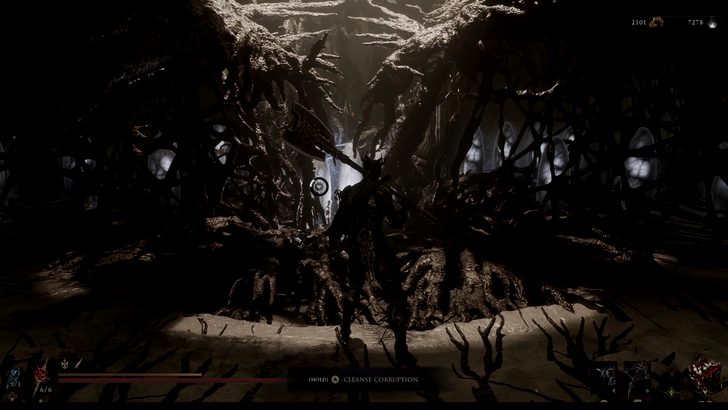
And they’re fantastic. The Shell system is one of the game’s most thoughtfully designed mechanics, offering distinct playstyles and plenty of room for mistakes. Unfortunately, Mortal Shell 2 often feels like it put the same level of care into pretty much nothing else, despite the high overall quality. Its decision to remove stamina, for example, should’ve made combat faster and more aggressive, but the way enemies were designed to compensate instead turns a lot of encounters into tests of patience, especially if you really don’t want to make another trip down the beaten path.
Really, the game gets a lot of its individual pieces right. I’ve had insane amounts of fun playing it. It’s just that there are a bunch of nitpicks that drag the overall experience down from a great to a much more reasonable good.
A Story About Collecting Eggs
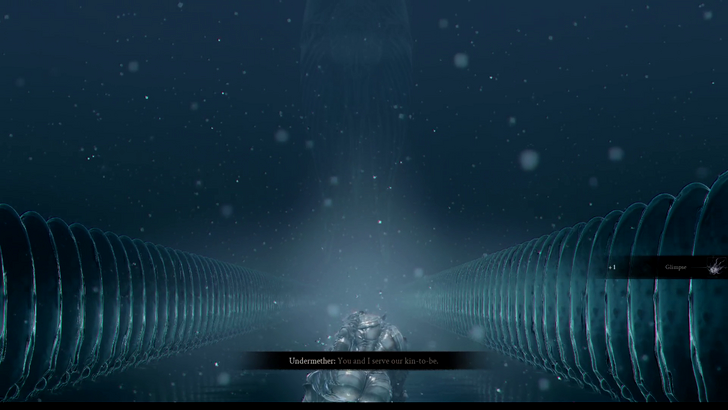
The story is about collecting the stolen Ova from the Undermether as its chosen Harbinger. And yeah, the Ova are literally eggs, taken from the Undermether’s massive womb and capable of mutating into terrifying creatures. Unfortunately, that’s about as much as I can say without straight-up spoiling the important parts.
Why? Because there really isn’t much story to begin with. I wouldn’t blame you for playing the game and forgetting a story even existed halfway through. The setting is there mostly to give context for your journey and flesh out the world, rather than to give you a narrative that keeps moving forward.
Yeah, there are story cutscenes for every boss too, but for the most part they’re just a quick explanation of why you’re there to whack them on the head.
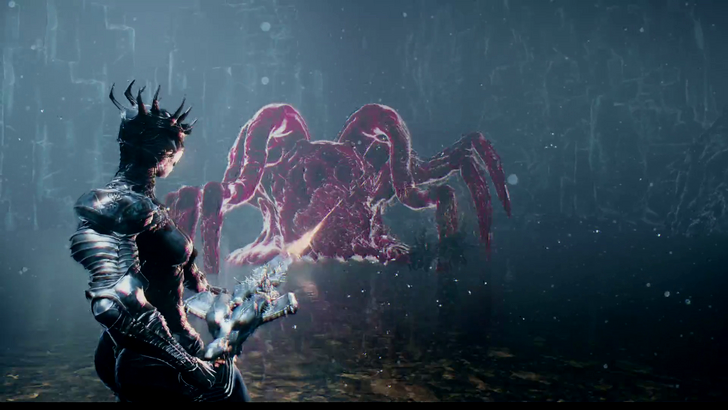
The stories behind each Shell, heroes who died and whose corpses you can inhabit, help fill that void. But for the most part they’re not complete without reading journals scattered throughout the game, and even then you have to upgrade each Shell to unlock more of its story.
Where Mortal Shell 2 really shines is its environmental storytelling. It does an incredible job of making you understand what kind of world you’re actually stuck in. And honestly, even if you’re someone who dreams of living in a soulslike, isekai fans rise up, you’re probably not gonna want to pick this one.
It’s Actually Scary to Live Here
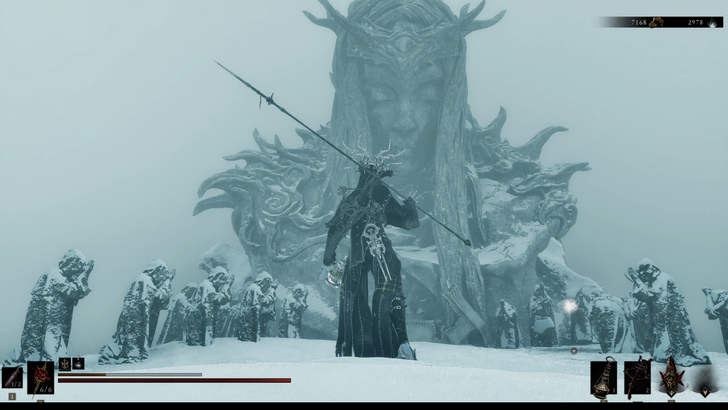
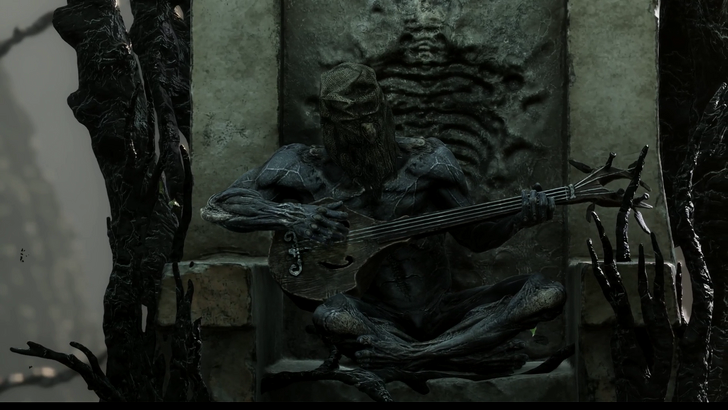
Mortal Shell 2, for lack of a better phrase, looks and sounds absolutely gorgeous, and by gorgeous I mean horrifying. It shouldn’t look gorgeous in the literal sense when its main themes revolve around body horror, right?
It sticks to that theme exceptionally well. In fact, I’d say it’s one of the most visually horrifying soulslikes on the market. Despite lacking much in the way of atmospheric variety, the weather is just fog, fog, and more fog, it more than makes up for it with everything else.
Seriously, every corner looks dreadful. The world constantly makes you question the sanity of the civilization that built it and the people who somehow managed to live there. The architecture also looks genuinely lived-in and functional, like you’re walking through the ruins of a real civilization that forgot what morality is, rather than just running through a series of video game levels.
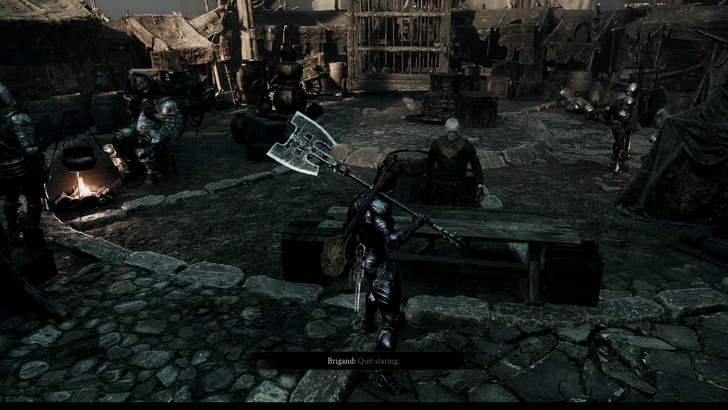
Even the scant remnants of civilization only make things worse. An active black market or a functioning tavern full of drunks should make the world feel more alive, right? Yet somehow they only reinforce how miserable this world is. These people aren’t just surviving in the apocalypse, they’ve somehow managed to turn the apocalypse into a half-functioning society.
Just existing in this world is enough to create a sense of foreboding, and the audio does a fantastic job of reinforcing it.
The voice acting is excellent, plain and simple. Whether a character is being solemn, angry, desperate, or downright unhinged, like the dude at the main base with a foot fetish, they all fit the setting’s underlying feeling that there’s very little hope left for anyone. Combat sounds are equally punchy, and the enemies themselves make all sorts of dreadful noises that make even relatively mundane encounters sound deeply unpleasant.
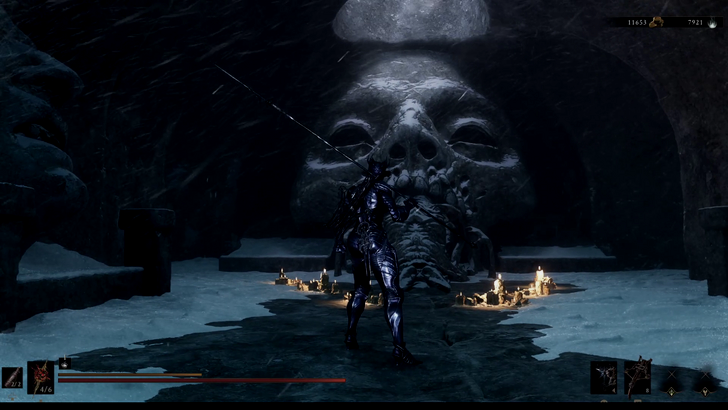
The use of silence is a bit more inconsistent. There are moments where stripping away the music works brilliantly, leaving you alone with the environment and making the world feel even more isolating. Other times the silence feels less deliberate and more like someone just turned the volume down too much.
Even with that caveat, the audiovisual presentation does an incredible job of making its world feel as bleak and horrifying as it looks. It doesn’t just show you a dying world, it makes you hear what living in one sounds like.
Undead Die Twice
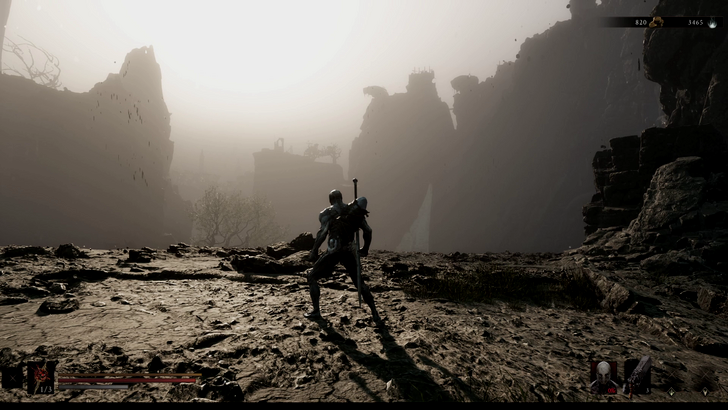
Shells aren’t just walking pay-per-view storybooks that look like corpse suits, though. They’re also what functions as the game’s class system, influencing your stats, skills, passive abilities, and fighting styles depending on which one you’re inhabiting.
The first really cool thing about having Shells is how they work as a functional first health bar. Take lethal damage and you shed your Shell and turn back into your, uhh, naked self. At least you’re still alive! You get your Shell back by clobbering things with your primary weapon until you can wear it again. It’s basically a Last Stand perk that can bring you back to near full strength if you’ve got the skill. That said, it’s hard to abuse, since the number of hits required to regain your Shell goes up the more you die between checkpoints.
Though that doesn’t stop the game from getting easier because of it.
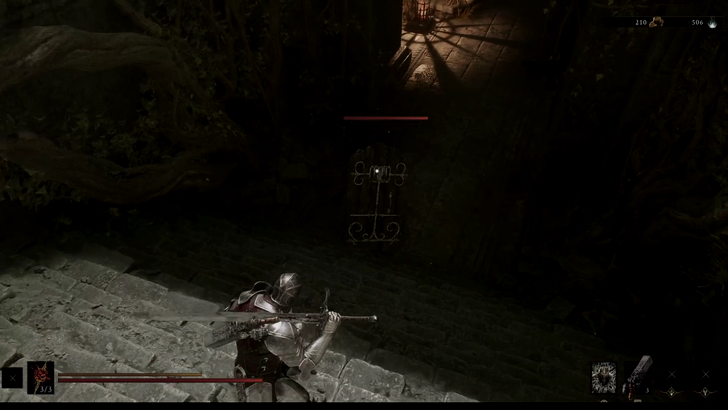
The difference between each Shell is pretty massive too, even between ones that share similar playstyles. Smert and Genessa both have builds that thrive near death. Smert avoids death by having a chance to heal himself instead of taking damage. Genessa is simply unkillable for a set number of hits while her active skill is on, but dies instantly when she takes lethal damage.
That small difference alone creates a massive divergence in how both are played, with Smert allowing for generally more freedom while Genessa gets short windows where she can be used recklessly. It also dictates which weapons they can use most effectively, which accessories should be equipped on them, and all the usual implications.
Mortal Shell 2’s trademark system is, at the end of the day, the foundation everything else is built on, and fortunately the system itself is nearly spotless, besides a minor quality-of-life hiccup. You have to manually remove skill points from one shell before putting them into another, even though you can only use one Shell at a time. Unfortunately, the same can’t be said for the main gameplay change they made to set it apart from its peers.
The Untiring Husk
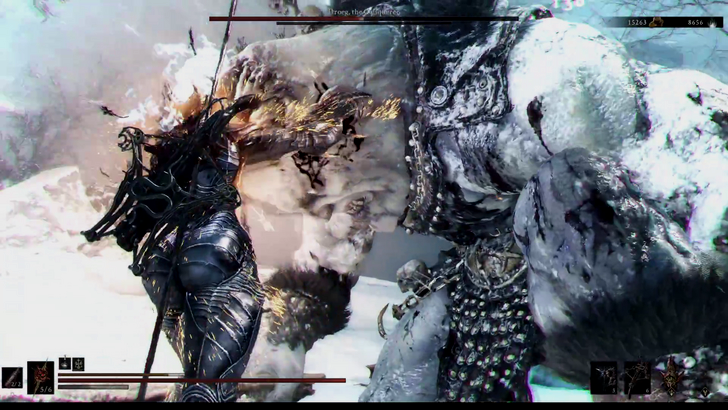
For the most part, Mortal Shell 2 doesn’t stray too far from the standard-issue soulslike toolkit. You’ve got normal and heavy attacks, skills, a secondary ranged weapon, and the usual guard, parry, dodge, and heal options.
Unlike most soulslikes, unsoulslike?, though, Mortal Shell 2 has no stamina bar to babysit, and they don’t even replace it with something else like AI LIMIT’s Sync Rate. The whole concept of managing a stamina-like meter during combat has been tossed out the window. Health, mana, and guard still exist, obviously, but otherwise your character has basically forgotten what fatigue is.
Instead, that burden gets dumped onto the enemy, who now has both an invisible Stagger meter and a visible Break meter to worry about.
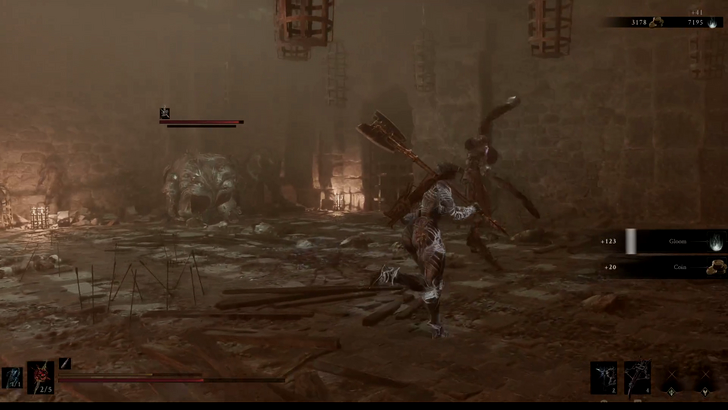
The effects are pretty intuitive. Maxing out Stagger interrupts whatever an enemy is doing, even mid-attack. Break, on the other hand, stuns them for much longer and leaves them open to a riposte that deals some very rude amounts of damage.
Breaking free from the physical limits of a functioning biological means Mortal Shell 2’s combat is very fast-paced by design. This is most obvious from how one of your available parrying methods involves just turning your body into stone, no matter what you’re doing when you hit the button. Time it right and your guard gauge won’t drain at all. So you can dive into an angry mob, start chopping them up, and harden right before their attacks land. If you’re skilled enough, you can keep doing this and mow through the crowd without ever taking damage.
It’s a really cool design that supports the power fantasy of one versus a hundred super well.
Stagger and Break complement that experience too. They give combat some moment-to-moment variety, letting your attacks interrupt enemies, throw them back, and occasionally single someone out from the group for a very personal beatdown.
Unfortunately, that’s not how it ends up working most of the time.
Speeding Past the Sweet Spot
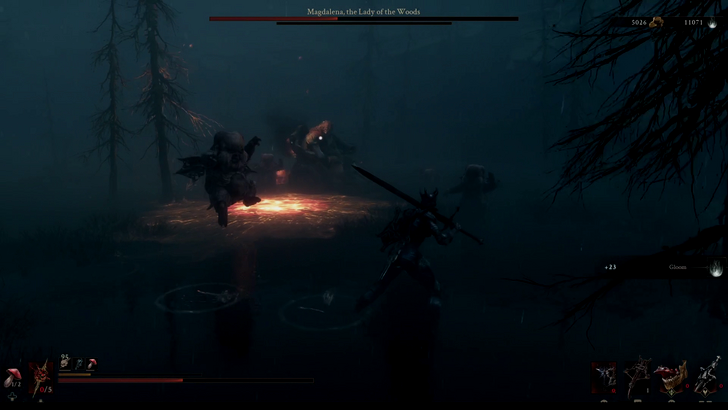
The game isn’t going to let you brutalize enemies one-sidedly just because being dead means you can ignore fatigue. In exchange for your ability to endlessly run around the map, dodge through attacks, and spam the attack button, enemies, especially regular mobs, get a number of buffs to keep up with your newfound freedom.
The first and probably most noticeable is absurd forward momentum on enemy attacks. Their swings carry them toward you way more than you’d normally expect, letting enemies cover a frankly unreasonable amount of ground just by swinging their arms.
This gets especially nasty when you run out of space. Enemies can shove you against walls, or even down cliffs, turning Mortal Shell 2’s supposedly open-world stages, with their narrow passages and frequent ledges, into death traps. Best case, you lose the option of dodging and have to parry or retaliate. Worst case, you fall to your death.
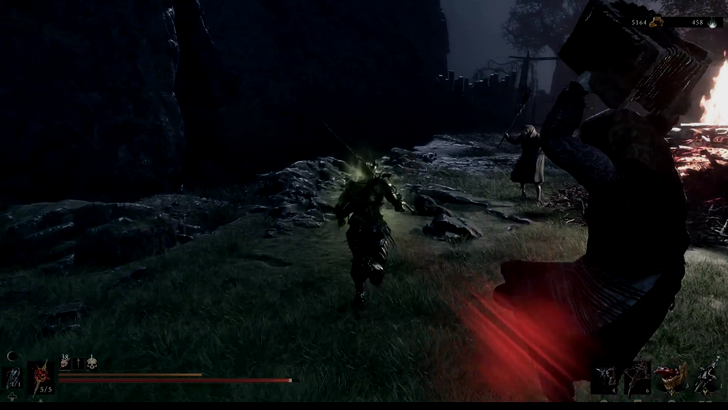
Then there’s their ridiculously long attack combos. This is probably meant to compensate for your ability to spam dodge rolls while encouraging parrying and the Stagger and Break systems, but almost every enemy that doesn’t get one-shot by a stray arrow can unleash a frankly shocking three to five attacks in quick succession, turning what looks like a single swing into an entire fighting game exhibition.
That’s manageable against one or two enemies. Unfortunately, group encounters almost always throw at least three at you, meaning that even when you lean into the supposed power fantasy, running straight in and parrying every attack, you can end up doing little more than strafing around while waiting for them to stop attacking. With too little healing to safely brute-force your way through, thanks to the easily missable upgrades late in the game, the end result is less a power fantasy and more stamina management converted into time management. Even bosses can become comparative cakewalks simply because there are fewer bodies on the field.
Build Diversification is Part of the Challenge
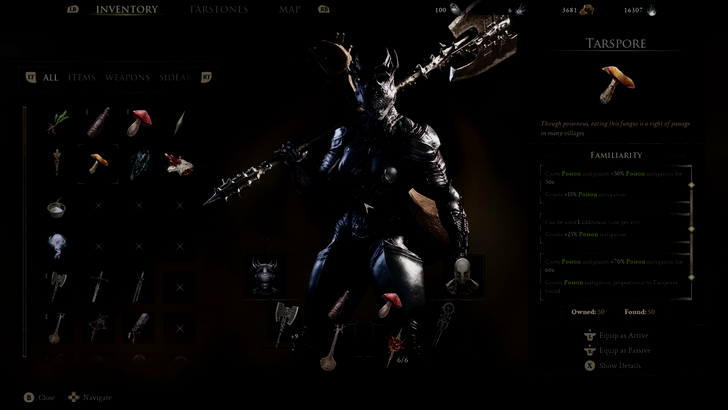
Honestly, getting bullied by mobs despite being able to easily slap bosses around can still be fun if you have the freedom to experiment with different Shells, or rather classes, and weapons to deal with them. Instead, though, Mortal Shell 2 makes trying to explore options and diversify builds an actual pain in the neck.
See, every single aspect of making builds in this game comes with a price tag in gold and a handful of materials. Gold is the main currency, which is thankfully not the same one you use to level up, hooray for a working economy. As you upgrade your gear, the gold cost steadily climbs. Your income, though, doesn’t scale with it fast enough, especially on a straightforward playthrough. By the time you find the rest of the game’s very limited number of weapons and firearms, you might’ve already dumped a ton of gold into upgrading the older ones and not have the resources to properly give the new ones a spin.
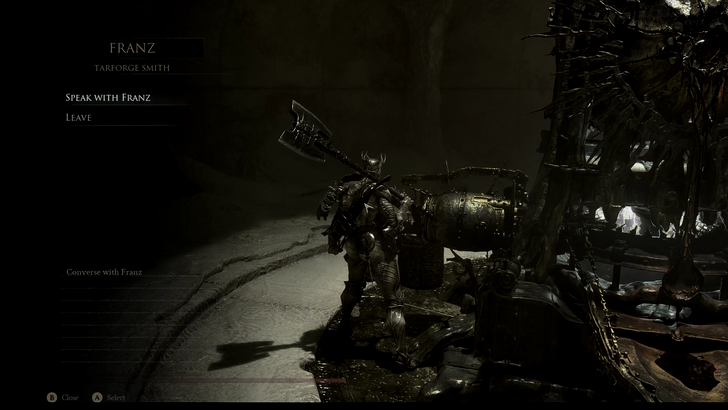
There’s a refund system you can unlock as you assemble more of the game’s equivalent of a blacksmith’s smithy. It only refunds the materials invested in a weapon, though, and gold is technically infinite anyway. Here’s the catch: the parts you need to unlock smithy functionality aren’t required for progression and can be missed, though you can go back for them.
If this is their way of encouraging players to explore the world, then it makes sense. Getting better gear and more build options is an effective way to get players to move their legs and step into the unknown. But locking weapon respec functionality behind optional exploration is a bad idea when the game already has such a limited selection of weapons, firearms, and trinkets, on top of the terrible gold income. What if I didn’t want to look up guides? In essence, build diversification here is half a completionist privilege.
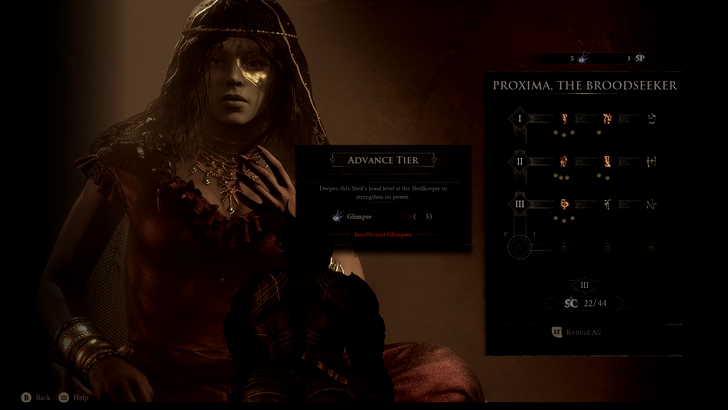
The resource issues also hit Shells, only worse. Though they aren’t limited by gold costs, the main material to upgrade them and unlock higher-tier abilities is limited in number and can only be found at specific locations. That means the more you invest in them, the more you have to squeeze the map for its progressively dwindling resources to keep doing so.
And no, you can’t respec the materials you’ve invested in Shells, unlike their skill points.
Is Mortal Shell 2 Worth It?
It’s a great game, all things considered
Mortal Shell 2 is the kind of game that’ll really make you think about your priorities. Its best qualities shine brightest if you’re willing to pick a build you like and bulldoze your way through the game’s problems with it. Honestly, the only reason it didn’t score higher here is because it got dragged down by the super bare story, which isn’t really a problem if you’re way more into the gameplay and action immersion.
Ultimately, I’d narrow the question down to one thing: how much do you value the moment-to-moment combat? If that’s what you care about most, Mortal Shell 2 is easily worth its price tag. Buy it, don’t even think twice. If you’re looking for a more complete RPG experience, I’d recommend wishlisting it and coming back when your wallet’s feeling a little heavier.

Final Verdict
Mortal Shell 2 delivers a average experience with a score of 74/100.