
Moonlighter 2: The Endless Vault is a veritable trove of masterclass design choices, to the point where the original Moonlighter looks like a waning moon by comparison. Aside from its story, the sequel takes everything that made the first game special, stuffs it back onto the shelves, and gives nearly every part of it an upgrade. Maybe it shouldn’t have traded its ending for near-perfection everywhere else, but it did, and we’re still left with some much-needed roguelite love for the shop layer and an overhauled combat loop that’s closer to traditional roguelite territory. I wouldn’t call that a bad deal, and I don’t think any of Will’s regulars would either.
Moonlighter 2: The Endless Vault is an action roguelite/shop simulation game and the direct sequel to Moonlighter. Read our review of its 1.0 release to see what it did well, what it didn’t, and whether it’s worth trying.
What is Moonlighter 2: The Endless Vault?
Moonlighter 2: The Endless Vault is an action-roguelite/shop simulation game by Digital Sun, and the direct sequel to 2018’s critically-acclaimed title of the same name. Set after the events of the first game and in the whole new village of Tresna, it takes players to a whole new dimension with 3D graphics, an expanded shop system, and the challenges of the titular Endless Vault.
What you’re getting: 3D graphics with an isometric POV, roguelite dungeon runs with expanded equipment choices, new characters, events, and storyline across new territory, and 7 Endless Vault challenges with additional post-game challenges.



The Moonlighter’s Grand Re-opening
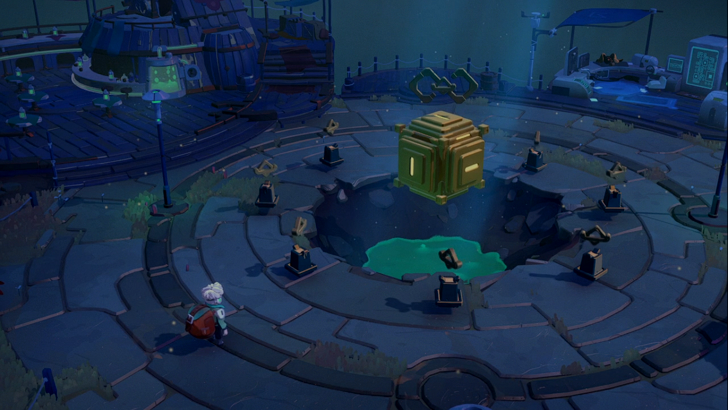
The idea of an RPG shopkeep heading into the dungeons themselves and reselling whatever loot they find is by no means unique. I mean, if the adventurers fall, the merch has to come from somewhere, right? Plenty of Manhwa have tried to tell that exact story, but for the gaming sphere that title goes to Will of Rynoka and his quaint little store, the Moonlighter, some entries of the Atelier series notwithstanding.
I bring this up because Moonlighter 2: The Endless Vault is finally out for its 1.0 release, and having been lucky enough to follow its development from demo to early access and finally to release, it’s been quite the adventure. The whole sell your own loot thing still hasn’t lost its novelty.
It’s not conceptually unique at its core, but the way Digital Sun handled Moonlighter’s shop and dungeon systems was always a delicate balance, even in the first game. Now that the second game is showing promise, plus a pretty massive overhaul across all of its facets, it’s a brand-new curiosity stocking the shelves that I’ve just gotta try.
Farewell Rynoka; Hello Tresna!
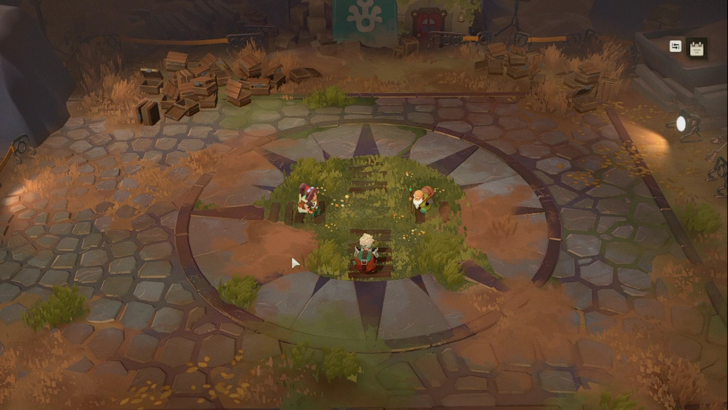
We’ll start with a change of scenery. The first Moonlighter took place in the Village of Rynoka, known for its dungeons. Moonlighter 2 takes place in a completely new locale: Tresna. Tucked away somewhere in the middle of a slimy sea, this nexus of interdimensional travel is where Will and the rest of Rynoka’s residents were forced to flee after Moloch took over the town.
With a new shop and his arsenal at the ready, Will’s gotta restock his shelves the only way he knows how: heading out and killing monsters for their loot across the many dimensions that intersect with Tresna.
Right off the bat, this was a bold move among many for Digital Sun. The biggest thing about Moonlighter and its themes was the community that surrounded and encouraged Will as he explored the extra-dimensional gates Rynoka was built around. Through his efforts the city wasn’t just revived, it thrived into the future and gave Will the certainty of his identity as a Rynokan.
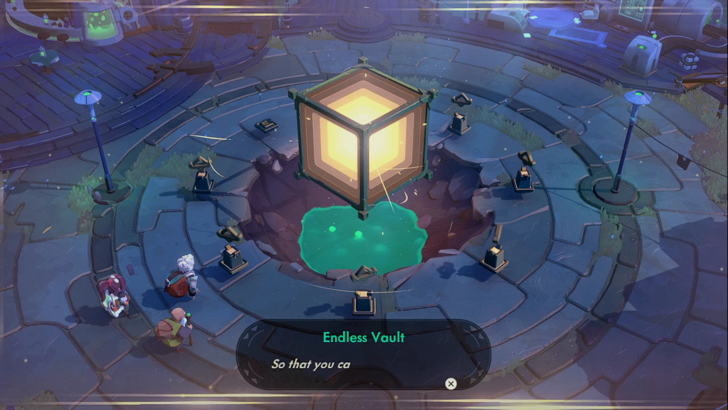
This is the setting equivalent of killing a major character within the first five minutes of the sequel, Infinity War-style. Bold move. Did it pay off? It should’ve, but it didn’t, and we’ll get to that later. For now, let’s talk about Tresna and how it serves the rest of the game.
I’m a fan of this change for a bunch of reasons. First off, Rynoka was done. All the portals were cleared by the end of the story, and Will’s adventure had reached a natural conclusion. Without new circumstances, changing the setting was the only way we could’ve gotten a proper Moonlighter 2, and the fact that it’s a dimensional nexus is the second reason I like it so much.
This setting lends itself so naturally to more diversity across the game’s characters, at least from a design standpoint. The first game had plenty of diversity between its character silhouettes with the Rynokans and the monsters, but more interesting, non-enemy characters are always a win in my book. Plus, dimensional travel replaces and possibly solves the portal problem, giving this game as much biome variety as the first without having to recycle anything.
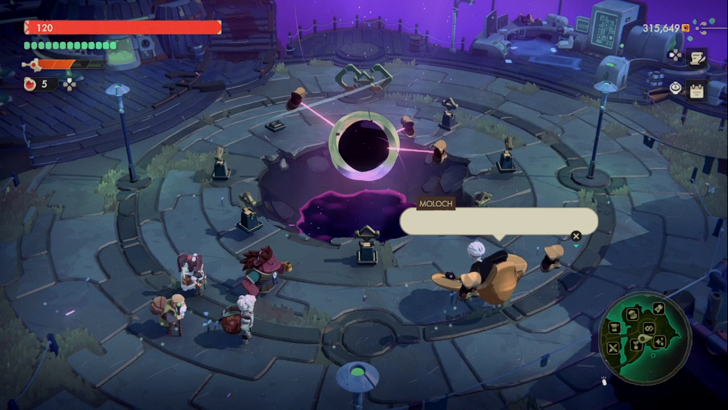
It’s an outstanding choice when you really think about it. It’s quite possibly the only way forward for a sequel that made sense, so I’m glad the devs went with it.
It’s a Proper Roguelite Now; Shop and All!
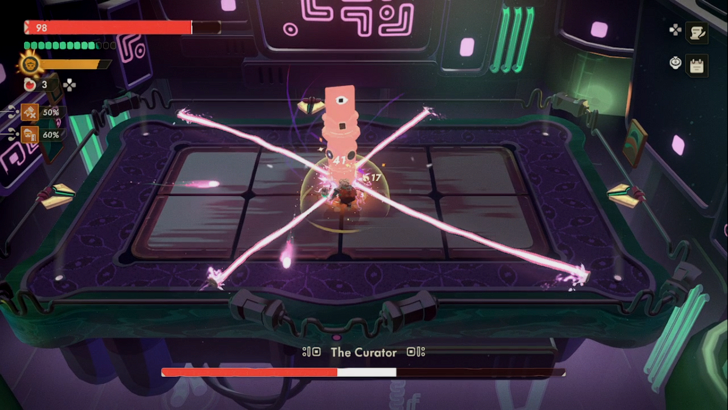
Moonlighter, the original one, was arguably NOT a roguelite. It was more of a dungeon crawler with roguelite elements and its own shopkeeping mechanics than anything else. Moonlighter 2, on the other hand, decidedly IS a roguelite, because the gameplay overhaul turned both the shopkeeping and combat phases into roguelite runs of their own.
For the uninitiated, the whole thing is that you go into dungeons to fight monsters, then bring your loot home as stock for your store to sell the next day. Combat in the first game was a Zelda-style, room-by-room dungeon crawl with directional attacks. In the sequel, that’s been expanded into something much more like a traditional roguelite.
A mid-run Perk System has been added on top of the standard weapon upgrades, including variant rarities, and dungeons are no longer mapped orthogonally. They’re presented as branching linear paths with different rewards upon clearing.
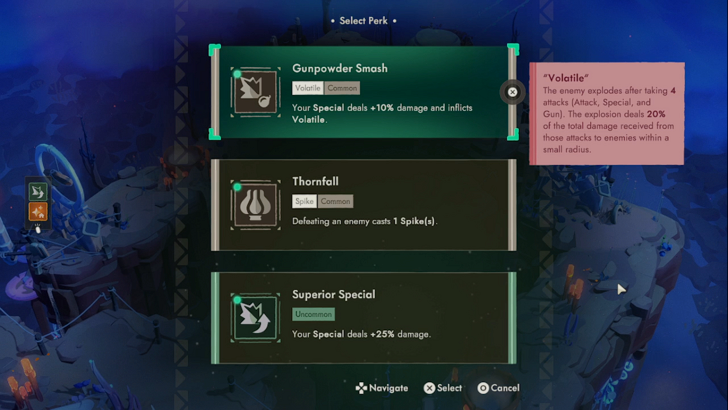
Even the admittedly barebones damage typing system from the first game has evolved into different status effects, which include, but aren’t limited to, Poison, Burn, Wound, Hex, Volatile, and Thunder.
This overhaul was another bold move and home run for Digital Sun for a few reasons. Though it would’ve been fine to keep the Zelda-style dungeons, the new setting opened up design space for something way more mobile and dynamic, and the devs would’ve been crazy to pass up the chance to try something new.
Secondly, with the Perk System and branching paths in place, Moonlighter 2 has way more player agency than the first game, which pretty much just let you finish each dungeon with the same equipment you started with. With perks, you never end a run as strong as you started, only ever stronger. With branching paths, no two runs are ever the same. Varied perk rarities add even more variance, making it possible to go absolutely nova before the first boss fight.
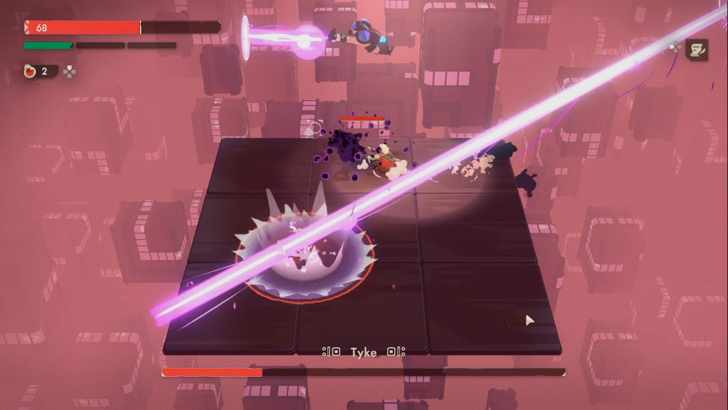
Lastly, the distinction between normal attacks, specials, and combo finishers gives even the most basic part of combat more complexity and design space to balance around. Since perks and weapon properties trigger off those distinctions, the game ended up with far more ways to synergize and build than it otherwise would’ve, adding to its value and overall ability to encourage fun.
The best part is that the Perk System also affects how you run your stores. No longer limited to just shuffling merchandise around to suit specific customer tastes, market prices, and sales, you now also gain perks that raise your sale prices when you meet certain criteria. These aren’t small-potatoes perks either: a full suite of them can turn a 5-dollar trinket into a multi-hundred-thousand-dollar artifact that’ll finance your next shop upgrade.
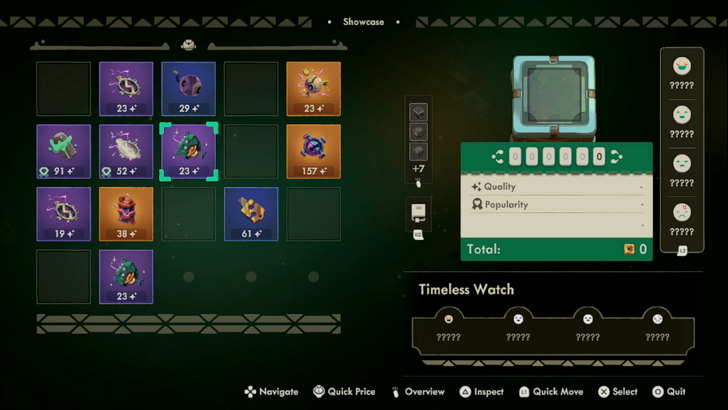
This was exactly what the game needed. For all of Moonlighter 1’s charm, it needed more complexity to truly pop. It needed to give players more ways to tailor their runs instead of being completely at the mercy of dungeon generation. It needed to let players feel like the shop was just as important as the dungeon, if not more. It needed a lot of things, and this sequel was exactly what the doctor ordered.
A Whole New Dimension (or Three) to Explore
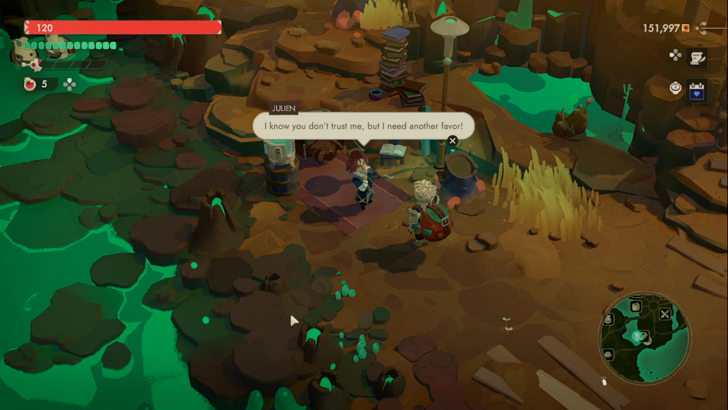
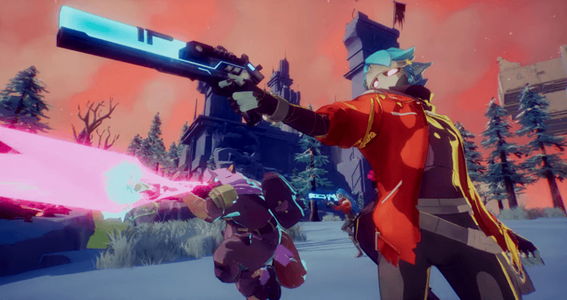
Bold move number three appropriately takes Moonlighter into the third dimension. This is the single most design-defining move Digital Sun made for Moonlighter 2, and it’s not even close. The combat and shop overhauls, the new ways dungeons work, the visual design and identity of Tresna, none of that would’ve been possible if the game wasn’t made in 3D.
Don’t get me wrong, Moonlighter 1 was an absolutely eye-catching piece of pixel art, but it was also limited. A whole new dimension naturally adds depth in more ways than one, letting the game spread new ideas across a previously inaccessible axis. From top-down dungeon crawling to 3D action-roguelite, the change is absolutely metamorphic, and Moonlighter 2 is looking like the prettiest butterfly right now.
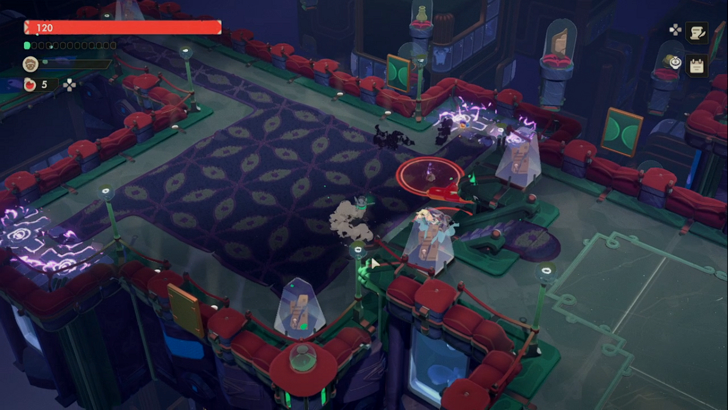
No part of the game’s visual identity shows off the versatility of 3D better than its new dimensions. No, not the third dimension, the biomes you can start runs in, of which there are three, with two sub-dungeons each. There’s Kalina, The Gallery, and Aeolia, each with its own unique mechanics to interact with.
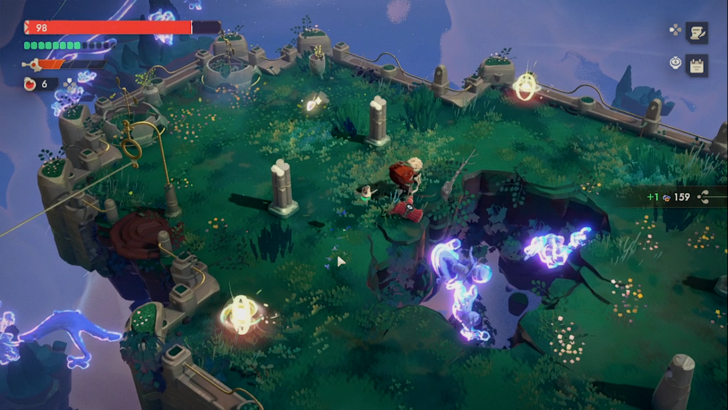
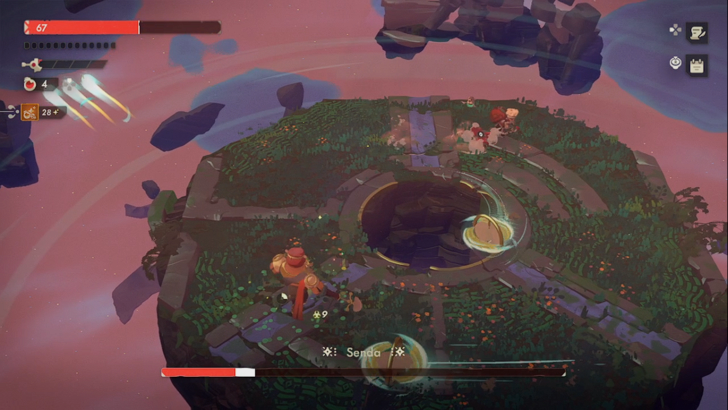
Each biome looks appropriately unique, even among its sub-dungeons, and the fact that the game is in 3D now means each one fully uses the space. Flying enemies now exist and must be shot down with the new Sidearm weapons. Stages with varying levels of elevation are common, letting enemies shoot from uncanny angles. And most spectacularly, the boss fights, which are now way more complex and dependent on the new Ejection mechanic.
Everything, and I do mean everything, pivots off of this paradigm shift, and I’m glad Digital Sun chose to be daring with it. Just ask Wizard of Legend 2 and Hyperlight Breaker: it isn’t easy to make the jump to 3D work the same way it did in 2D, but Moonlighter 2 is cruising on in just fine.
Paid the Price of Greatness with Its Story’s Ending
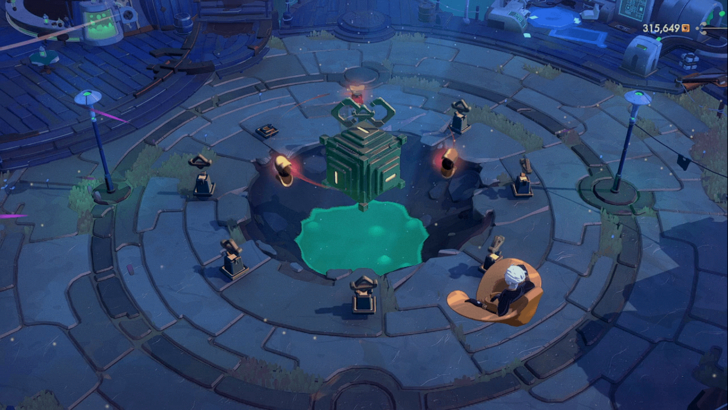
Unfortunately, not everything can benefit from the sequel treatment and all its fancy additions. Some things got worse the second time around. It’s time we talked about what I alluded to at the start: how the game’s narrative fizzled and sputtered out by the end despite how well Tresna lent itself to a continuation of Will’s journey.
I’ll keep it brief to avoid spoilers, but Moonlighter 2’s ending is, in a word, disappointing. That’s not for lack of trying. The game has a perfect setting, compelling motivations, memorable characters woven into the gameplay loop, and surprisingly deep themes of found family, diaspora, cultural identity, and belonging.
It had all the makings of a perfect run, but the ending squanders most of it. After everything the game builds toward, its conclusion feels less like an ending and more like just another day at the shop, because it literally is.
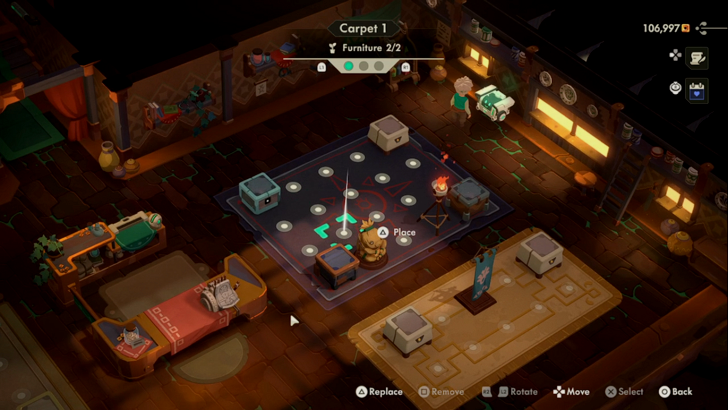
I could scarcely believe it. Dimension-hopping, realm-taking megalomaniacs aplenty, and the final hurdle to this grand adventure is another shift at the 7-Eleven, and when it’s done, you win. Roll credits. It’s like if Tolkien ended The Lord of the Rings by having Frodo and Sam casually walk into Mordor and toss the Ring in with zero issues. Yeah, they’ve been doing it this whole time and this was the goal, but the drama and emotion dropped off a sheer cliff, and all that momentum went nowhere.
I can at least enjoy the story up until just before that point. Using the Endless Vault’s challenges as both gameplay and narrative milestones is a genius move on the devs’ part. It kept the game’s momentum on a steady rise as more of the world opens with every cleared challenge, and you get new toys to play with every time.
Now, I get it. The game is equal parts a shop sim and action roguelite. It has to end one way or the other, or maybe even both. I just can’t help but think we got the worst possible option out of the three. A big, gaudy boss fight isn’t the most elegant approach, but it’s reliable. A bit of both would take some finesse, but I’d prefer it. In my heart of hearts, I don’t understand how an ending so contrived can be so boring.
They say ending a story is never easy. This is all the proof I need.
Easier to Play, Easier to Break
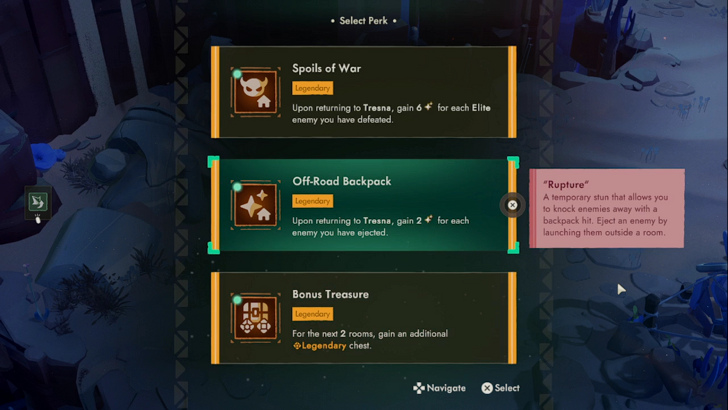
Another thing I’d note is that Moonlighter 2 is noticeably easier than the first game. That’s both an improvement and a detriment. Being easier makes it way more accessible and a lot more fun for the average player. The Perk System is mostly to blame, because the frequency and power level of the perks you can get can turn really disgusting really quickly. Part of the fun is seeing how gross you can make your build, but it does make most encounters a breeze.
For another, though, this poses a problem for higher levels of play, or at least players who’d prefer that. The first Moonlighter was a massive skill check from start to finish, and runs ending with players losing all their loot were far more common than escaping safely. Full dungeon clears were even rarer. In the sequel, it’s pretty much guaranteed you finish a dungeon unless you were actively trying to farm loot over getting perks. Mind you, I’m saying all this in the context of the game’s hardest difficulty setting.
It’s a minor blemish compared to the botched ending, but an all-encompassing one. The post-game at least offers challenge runs for players who want to cut loose and beat some bosses to a pulp. What I think would make things more interesting is run modifiers, and I don’t mean the randomized ones the post-game gives you. Something like Hades 2’s Pact of the Unseen, where players can opt into run-changing modifiers in exchange for some bonuses.
New and Mostly Improved!
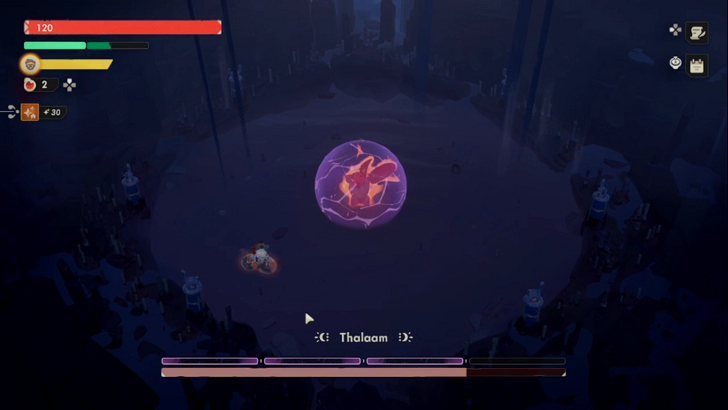
And so we reach the end of another chapter in Will’s adventure across the many dimensions of the Moonlighter universe. It’s been mostly a pleasure, and the new bells and whistles attached to Moonlighter 2 have been a delight to experience. Moonlighter 2 is an overall improvement, dare I even say an evolution, of what the first game was.
It’s definitely better in most respects, thanks to the daring migration from 2D to 3D that often ends badly for beloved indie pixel art titles. It’s a whole lot of fresh ideas that went incredibly well for the game, and would’ve seen it reach perfection if not for the one bargain-bin item in the room: the game’s story.
Maybe it was a cop-out, maybe I’m just not seeing the vision. Either way, this was not how I imagined this adventure would end. But hey, everything comes at a price. If something had to give for the rest of the game to be this good, I’m okay with the cost.
Is Moonlighter 2: The Endless Vault Worth It in 2026?
Yes, It’s a Great Deal for Any Roguelite Fan
Coming in at $29.99, Moonlighter 2: The Endless Vault won’t cost you your own vault of treasures to pay for, and it’ll come out just as valuable. It’s a roguelite, for starters, so there’s a ton of replayability to be had as it is. It’s also a shop sim, so you can count on each session lasting more than a couple of hours every time.
There are also six entire realms to explore, nearly a hundred unique items, and a story spanning ten-plus hours of content. It’s quite the package for a mere 30 bucks, so if you’re a returning customer of Will’s, or just a fan of the genre, this game is bound to give you your money’s worth.
What Weapons are Available in Moonlighter 2: The Endless Vault?
Moonlighter 2: The Endless Vault includes 4 unique weapon types: Short Swords, Large Swords, Spears, and Gauntlets.
What Do the Endless Vault Challenges Unlock in Moonlighter 2: The Endless Vault?
The Endless Vault Challenges unlock specific story and gameplay progression options whenever they’re completed. These include major shop and progression upgrades, new game modes, new weapons and gear, and even new dungeon areas.

Final Verdict
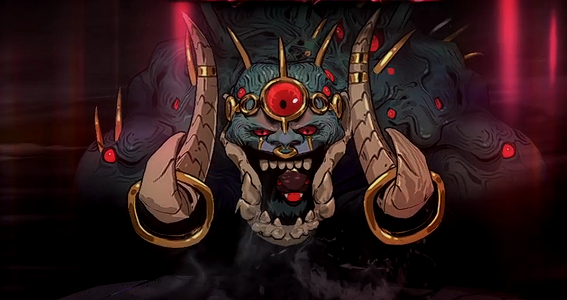
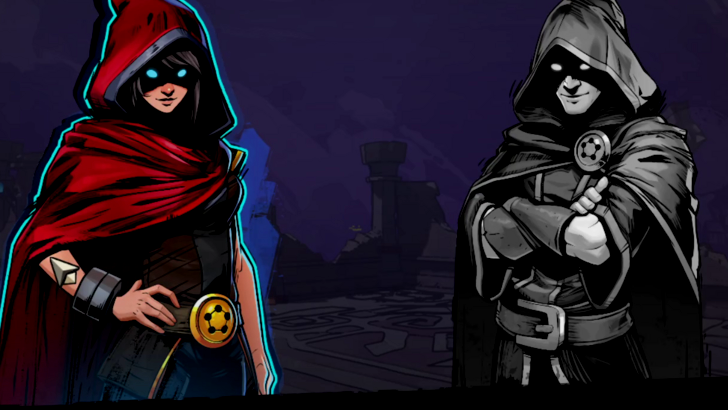
Moonlighter 2: The Endless Vault delivers a good experience with a score of 84/100.