
Lootbound is a great, bite-sized roguelite that’s best enjoyed in short bursts. It’s addictive, sure, but its barebones storytelling, overreliance on luck, and early-game grind can get in the way. What really carries the experience is the surprisingly deep buildcrafting, which should appeal to veteran roguelite fans while giving you plenty of freedom to shape your own journey through the loot you pick, the party members you recruit, and the bosses you face. It knows exactly what it wants to be: just enough control to feel like a Dungeon Master, enough left to chance to make every victory feel earned, one roll at a time.
Lootbound is a turn-based roguelite set in a Dungeons & Dragons-like dark fantasy world. Learn more about the game’s story, gameplay, release date, our review of the game, and more.
What is Lootbound?
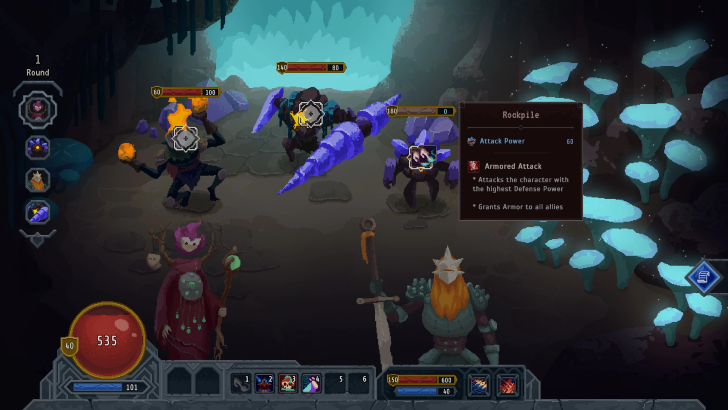
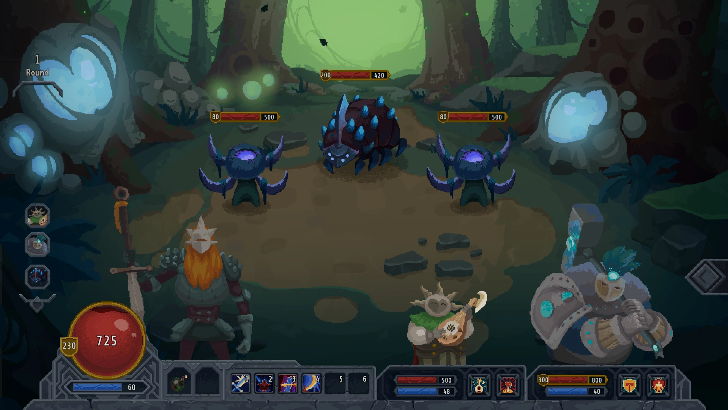
Lootbound drops you into a Dungeons & Dragons-like dark fantasy universe where you pick one of four classes: the Warrior, Witch, Paladin, or Bard, each on a quest to take down Sentinels. Like any good roguelite, no two runs are ever the same. The core design leans hard into dice rolls and gives you the freedom to shape your own run as you recruit new allies, customize your inventory through a grid-based system, and decide which bosses you’ll face along the way.
The feature list boils down to this: you build your own roguelite run, there are 4 classes to choose from, everything is drawn in pixel art style, a run takes 30-60 minutes, inventory management is grid-based, and it’s easy to understand. On paper that’s a simple pitch. In practice there’s way more going on under the hood.


A New Roguelite in the Market
The best roguelites have a way of making failure feel like progress, and that’s exactly how they hook you. From Mewgenics to Vampire Crawlers, these games put you in a trance and make you sink hours into a single sitting.
Lootbound is one of the newest entries in an already crowded genre, following the familiar blueprint of permanent progression and addictive, bite-sized runs. It’s also a big departure from developer ArtDock’s brief stint in the social co-op genre with SOS OPS!, since Lootbound completely ditches 3D for stylized 2D pixel art and puts its own spin on the roguelite formula we all know and love.
After spending enough time rolling dice, yelling at my screen over bad throws, and cobbling together my party and builds on the fly, Lootbound had me completely hooked. I love how the game eases you in before gradually opening up with more complicated systems and buildcrafting potential, especially once things start getting wild after a few clears. That said, it also comes with a few pitfalls I’ve come to expect from the genre.
What Makes Lootbound a Roguelite
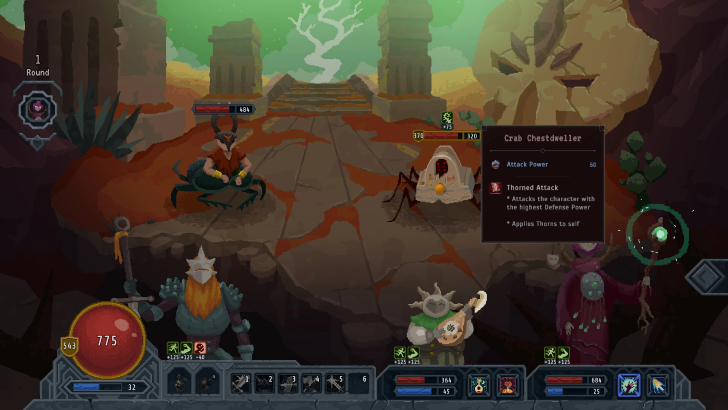
The gameplay is deceptively simple. During the first few hours you might think you’re playing a typical turn-based adventure, but there are way more layers hiding beneath that straightforward surface.
Like most roguelites, the core identity is all about completing runs, failing, and coming back stronger through permanent upgrades. The game does an awesome job of making each run feel meaningful through the resources you earn along the way, turning progression into something you can actually see. Ditching loot, clearing a run, or even failing one can net you Gems, which you use to upgrade your class and turn them into a more hardened hero with every attempt.
It also doesn’t hit you with a mountain of upgrades right off the bat. You start with the Warrior as your first playable character and unlock more heroes after every successful clear.
To take the edge off the grind, Lootbound offers more customization options and progression tools. The Library lets you learn about each monster’s strengths and weaknesses, while the Dice Shop lets you buy different types of dice that better fit your playstyle. Those additions give you reasons to take a breather and experiment between runs while making the world feel a little more connected beyond just the battles.
Building Your Own Adventure, One Roll at a Time
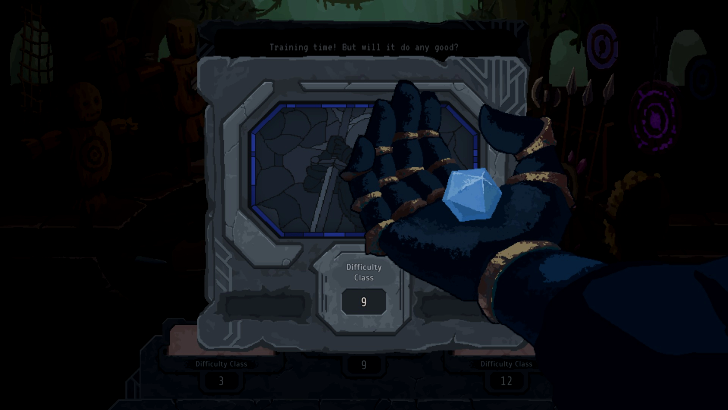
There’s plenty of Dungeons & Dragons inspiration baked into the aesthetics. For starters, you’re not actually playing as the characters you see on screen. You’re playing as caricatures of traditional fantasy tabletop classes in a very fourth-wall-breaking adventure, so in a way you’re playing a game within a game. Pretty meta, right?
That carries over into the loop because of how much control it gives you to shape each run, kind of like being a Dungeon Master who calls the shots. This isn’t some linear adventure where your hero just marches toward Mordor. The game constantly throws choices at you that let you decide how to deal with the many threats standing in your way.
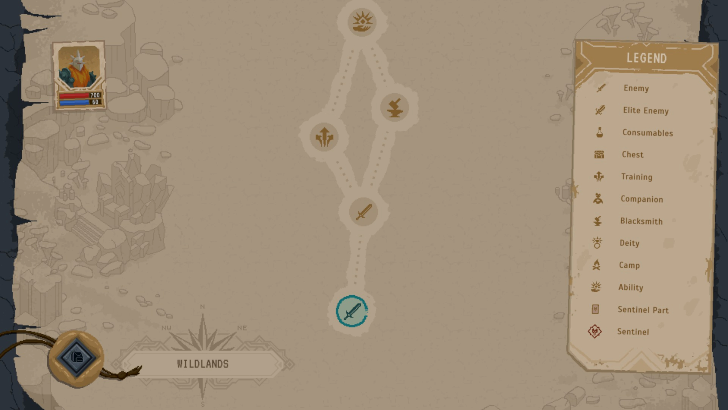
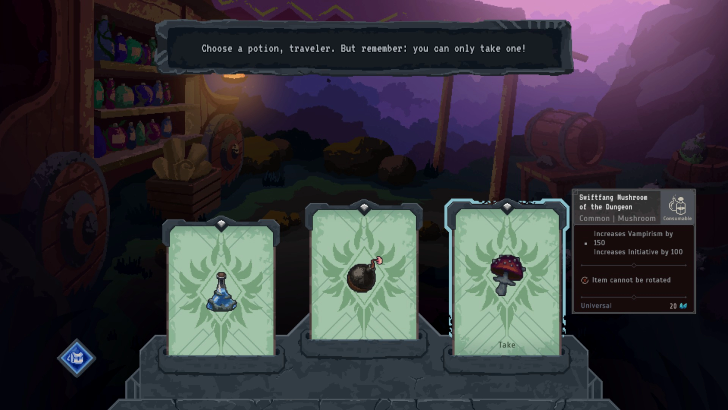
Scattered throughout each adventure are map nodes a la Slay the Spire, featuring encounters that can change the direction of your run. You might run into a Blacksmith offering free weapons in exchange for a successful dice roll, or a Potion Shop handing out free consumables to help you prep for what’s ahead. Every node is another chance to shape your run, take a calculated risk, or stack the odds in your favor before the next big fight.
These encounters are where the “build your own adventure” philosophy really shines, proving the game is about more than just coming back stronger after every failed attempt.
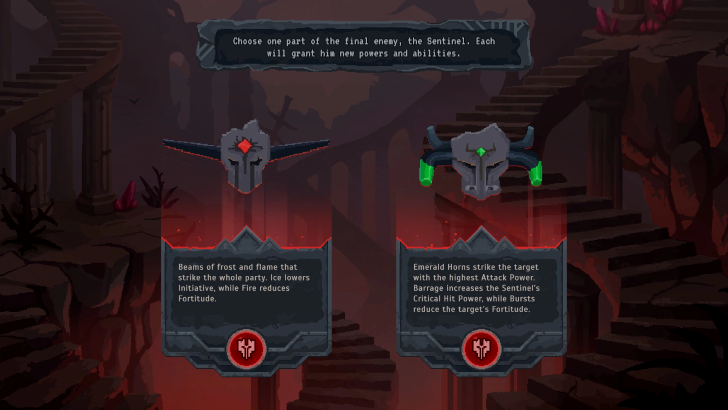
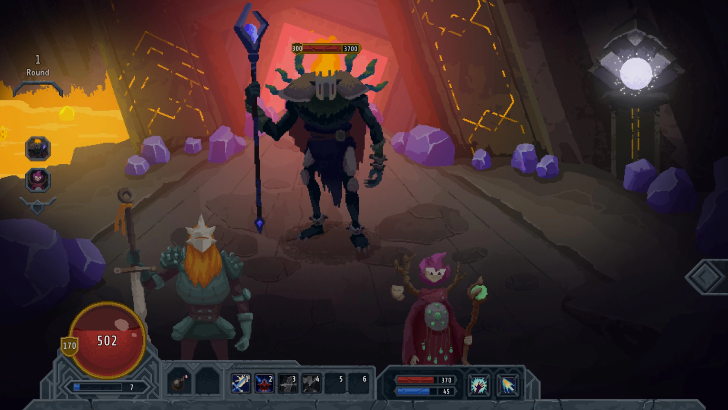
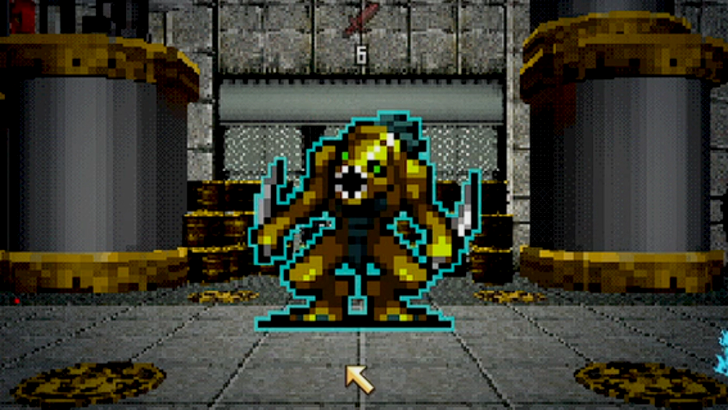
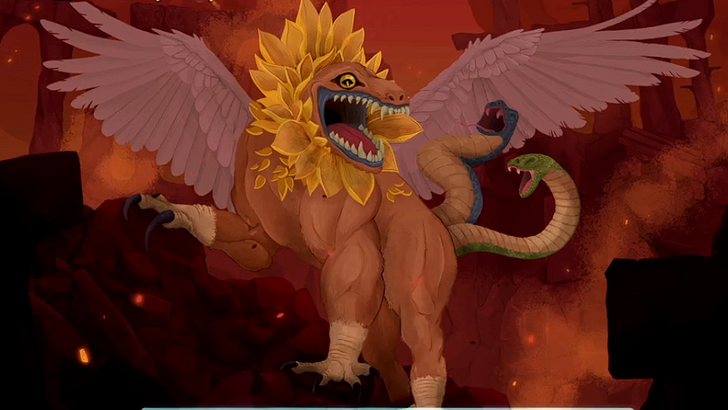
But one mechanic impressed me more than any other: the ability to build the boss you’ll face at the end of each run. In each of the game’s three biomes, you pick from a variety of body parts to attach to the final boss, with each one modifying its abilities or stats. One might bump up its damage, while another could significantly boost its overall health.
What makes this so cool is that these choices aren’t just there to make the boss harder. They let you prepare for the fight and develop effective counterplay before your big battle. Knowing what kind of threat you’re creating, you can tailor your build and equipment around it, turning each boss encounter into a strategic test of how well you’ve prepared throughout the run.
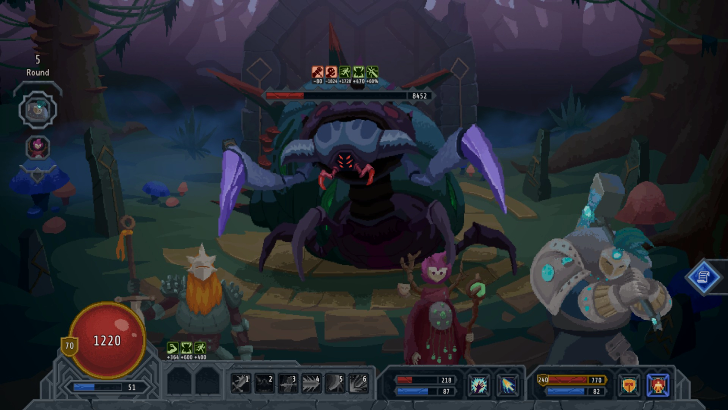
That’s what makes the gameplay feel so rewarding, but also incredibly challenging, especially during those early runs when you’re grinding for resources while figuring out which builds work best. There’s a lot of trial and error involved, and the first few hours definitely don’t make it easy to find your footing. Even after my first clear, Lootbound stayed tough, largely because the game leans so heavily on luck. A string of bad rolls can quickly turn a promising run into a frustrating one.
You’re not gonna get very far if your run isn’t somewhat optimized, and that’s where loot and buildcrafting become essential.
Buildcrafting With a Side of RNG
Lootbound isn’t called Lootbound for nothing. While it’s a roguelite through and through, there’s a whole arsenal of loot waiting to be collected. Finding the right gear for your class and understanding how your stats work together can mean the difference between a successful run and another trip back to the drawing board.
This is where the diegetic, grid-based inventory comes in, a system that’ll feel way too familiar to Resident Evil 4 fans. That take on inventory management turns your limited space into a game of its own. You can’t just grab every piece of loot you find and cram it into your grid. Every item has to earn its spot, forcing you to think carefully about what you keep, what you leave behind, and how it fits into your overall build.
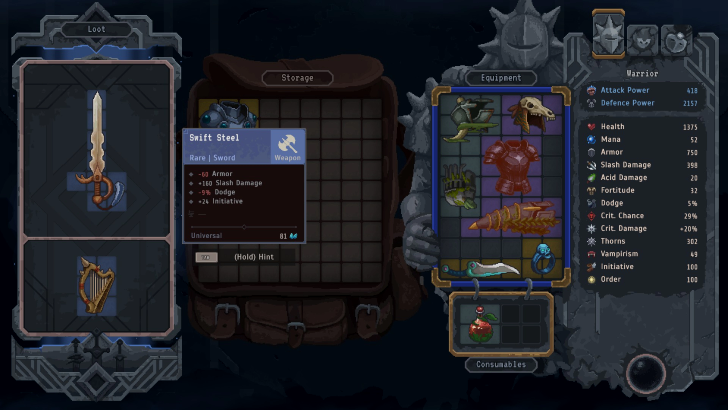
Certain pieces of gear can boost or negate specific stats from your class, while others emit auras that boost nearby items. This is one of my favorite things about how Lootbound handles loot, because the limited space stops me from hoarding everything I find the way I normally would in other roguelites. You’re constantly reorganizing after every encounter, weighing whether a new piece of gear is worth the space, and deciding which stats actually matter for your build.
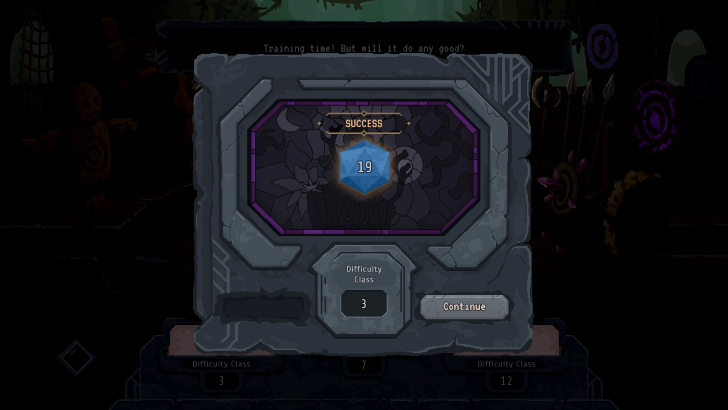
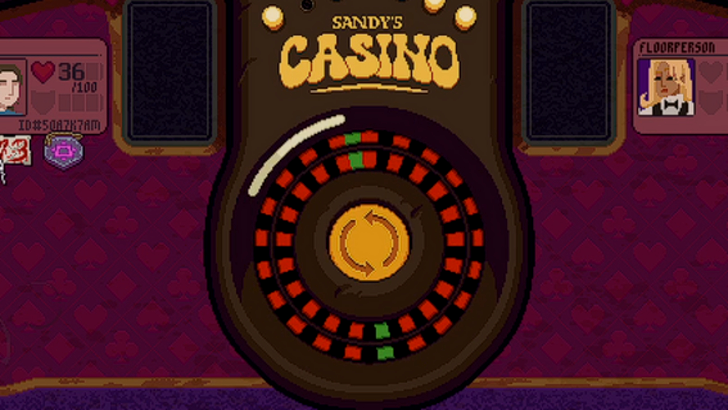
Which is why it’s always smart to have a game plan. Luck is essential to overcoming the game’s many dangers, and landing some of its most coveted Legendary and Divine weapons and armor requires taking a massive gamble. Some of these rolls demand numbers as high as 14 to 18, making every attempt feel like a serious test of luck.
That makes the RNG the real enemy. It often feels like a 50/50 gamble the moment you roll, but thankfully you can unlock various dice types later on, offering perks ranging from multiple rerolls to small boosts to your numbers. Those give you a bit more control over your luck and can help tilt the odds in your favor.
There were moments when I literally gasped because it became painfully obvious that a particular run just wasn’t meant to be. My favorite Thorn Build Warrior was left without the right weapons or armor, leaving me little choice but to accept the run was doomed and hope the next one would be kinder.
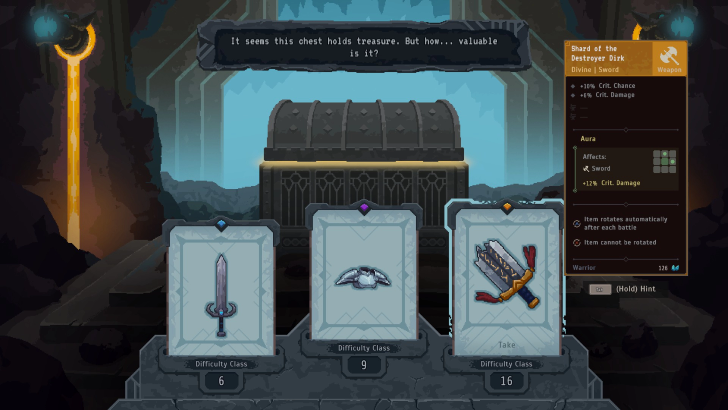
Despite all these options, Lootbound still expects you to embrace its RNG, because there’s no guarantee with every roll, just small incremental changes in a game of chance. As they say, go big or go home. It takes time to get used to, but once you figure out what playstyle you prefer, you’ll find yourself actively hunting for specific stats every time you start a run.
The Plot Could Use a Reroll
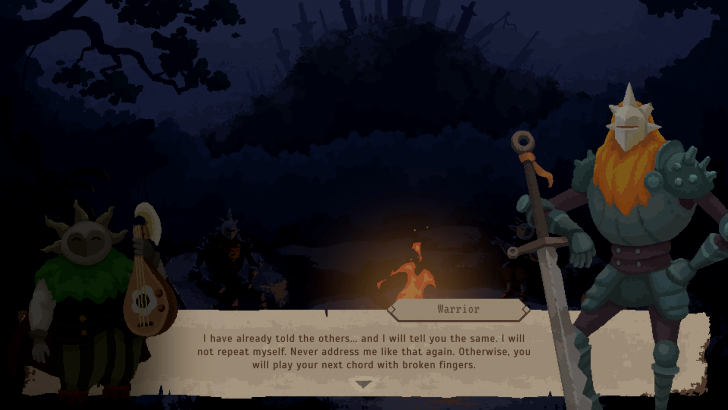
There’s a lot to love about Lootbound and its intentionally simple presentation. It’s also a game that could’ve really benefited from a more substantial story mode.
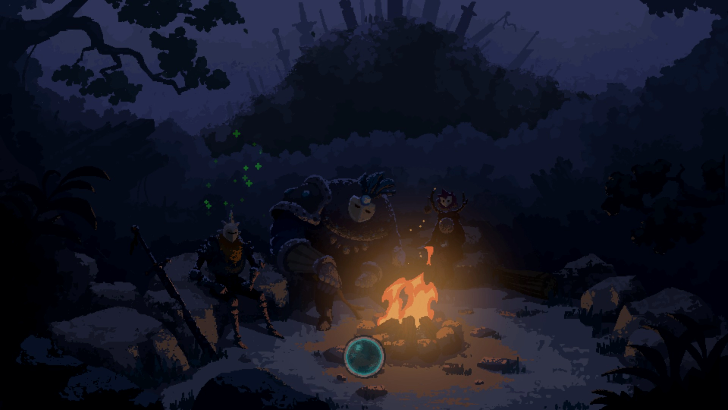
Since it’s essentially a build-a-bear fantasy adventure, you only get small glimpses of each character’s personality during downtime, when they shoot the breeze while resting at a bonfire camp. Unfortunately those conversations are mostly surface-level exchanges that highlight their different personalities without offering much meaningful insight into the world they live in.
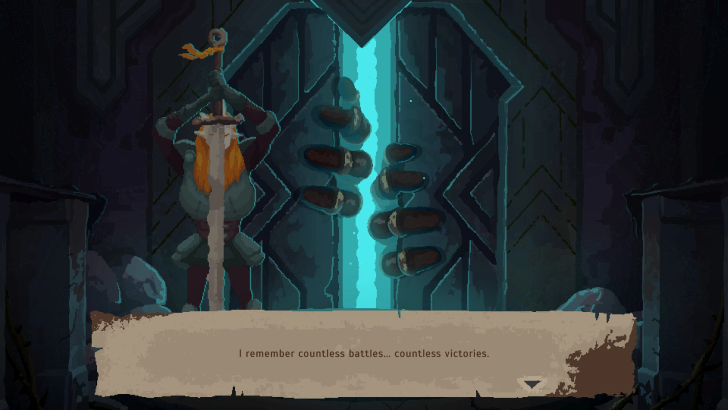
Each of the four classes has its own mysterious backstory, but you won’t discover much of it unless you’re willing to grind through multiple runs with the same character. While that gives you another reason to keep playing, it can be discouraging if you’re more interested in learning their stories than chasing another clear. Instead of letting you experience these narratives naturally, Lootbound drip-feeds them through brief vignettes after major milestones.
Then again, this is a roguelite and replayability is practically baked into the formula. I get why the developers want you to uncover these stories at your own pace, but there’s barely any narrative payoff once you reach the end of each character’s journey. You’re often rewarded with little more than a few brief lines of dialogue, which makes all that grinding feel underwhelming.
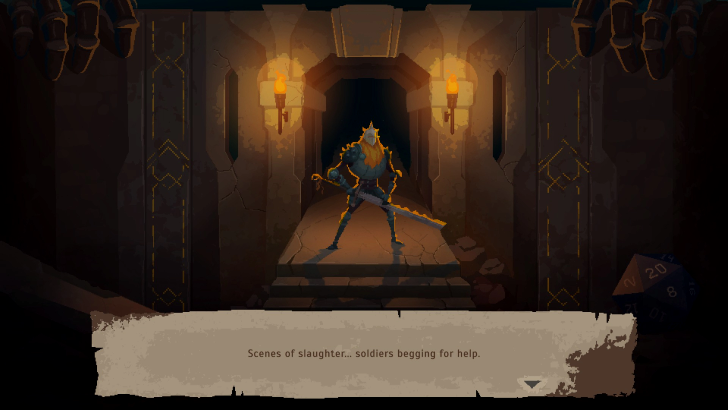
The game only has four classes to choose from, and while I’d love to see more added in future updates, I’m also hoping their stories get more fleshed out along the way. As it stands, I never really found myself attached to any of them, and for a game that puts you in the role of a Dungeon Master, that doesn’t exactly inspire confidence.
Is Lootbound Worth It?
Yes, and It’s Great in Short Bursts
Lootbound is a great roguelite adventure that’s best enjoyed in short bursts. It’s addictive, sure, but there’s plenty of frustration to be found in how heavily it relies on luck. And while the early grind and barebones storytelling can sometimes get in the way, what really carries the experience is the varied buildcrafting options alongside the strong inventory management minigame.
Beneath its deceptively simple presentation is a surprisingly deep roguelite that rewards experimentation, letting you essentially create your own adventure as you go, from deciding which items to bring and party members to recruit to determining which boss you’ll face. Lootbound understands what it aims to be, giving you just enough control to feel like a strategist while leaving enough to chance to make every victory feel earned, one roll at a time.
How Long Does Each Run Last in Lootbound?
A single run depends on several factors, like luck and equipment, but an average run typically lasts anywhere from 30 minutes to an hour.


Final Verdict
Lootbound delivers a average experience with a score of 74/100.