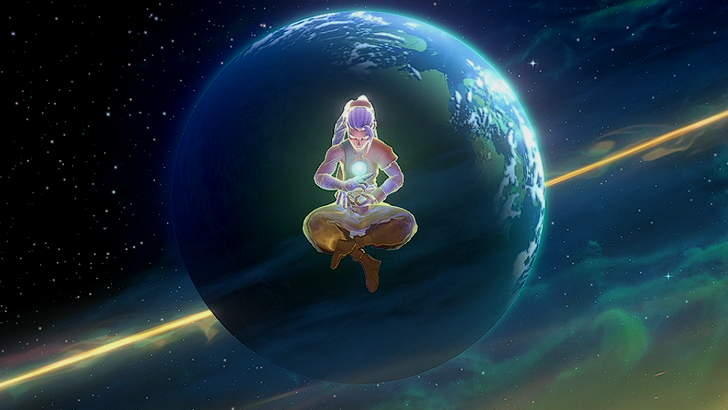
Echoes of Mystralia is a story-driven roguelite where you get to use the elements to cook up your own attacks across a dying world. It’s in Early Access right now, and it’s already swinging for the genre’s biggest names. Stick around to see what it nailed, what it didn’t, and whether it’s worth your time.
What’s Echoes of Mystralia?
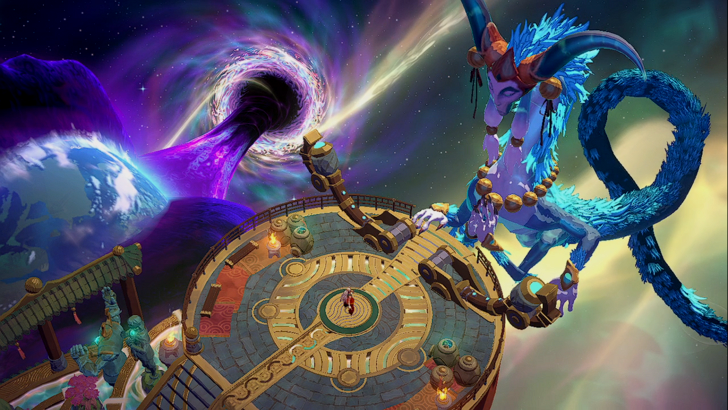
Echoes of Mystralia follows Mazarim, a Watcher-in-training who’s supposed to keep the Cycle of Memories running smoothly. Then a rift tears open the skies of Mistralia and the land’s own history starts showing up as violent shadows ready to throw everything into chaos. Mazarim tells his master to shove it and heads to the surface to fight the shadows head-on.
Along the way, he runs into what’s left of Mistralia and its people, using the elements as weapons to carve a path toward the guardians of each major region. Through repeated trips to the surface, Mazarim eventually figures out what the rift is, why it opened, and what’ll happen to the Cycle of Memories if he screws up.
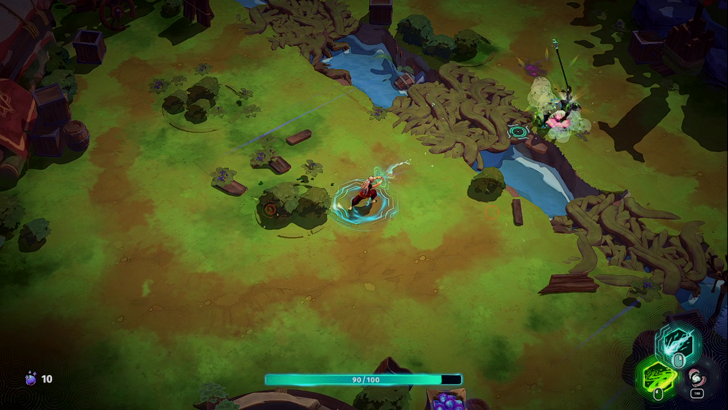
Gameplay-wise, this is an action-roguelite with a Spellcrafting System that turns basic elemental strikes into chains of offensive energy. It’s set across the branching paths of Mystralia over three major acts, and each trip to the surface gives you plenty of ways to tweak your basic spells, meet new NPCs, or earn metagame currency to make future runs smoother. While you’re up there, you’ve gotta deal with Shadows, violent memories of Mystralian folks, across randomized encounters, earning different currencies, skills, and rewards for staying alive. As the acts go on, the difficulty ramps up, and you’ve gotta keep building your own power to keep pace.
It hit Steam Early Access on August 11, 2026, for PC.

Close Enough. Welcome Back, Hades!

Every new 3D action-roguelite that comes out gets compared to Hades and Hades 2, and honestly, it’s fair. Those two games are absolute masterclasses in storytelling, world-building, and character writing at the most fundamental level, and that’s before you even get into their game design and how well they understand the action-roguelite formula.
I’m bringing this up because Echoes of Mystralia isn’t immune to the comparison, though I’d argue being in the same conversation as Supergiant’s magnum opus is an achievement in itself. This game had the weight of expectation on its shoulders and still managed to surprise me, pushing the boundaries of the genre with a wild set of original ideas, all while still being in Early Access.
There are fewer gods running around on the surface of a dying world, and way less family drama, but the fun factor is right there. Let’s get into it.
Another World Ravaged by Time
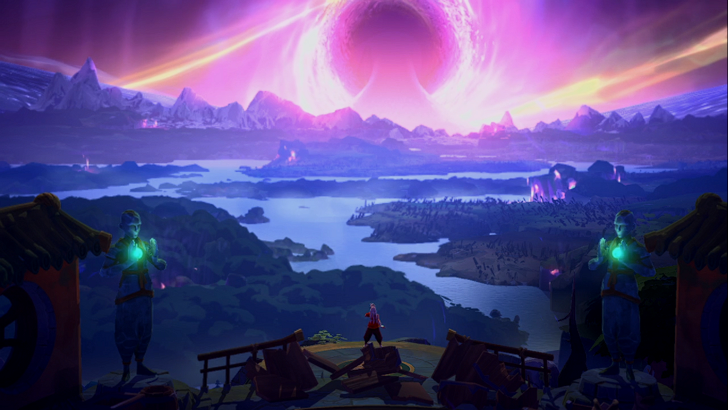
Let’s start with some of Echoes of Mystralia’s strongest suits: its original setting, story, and cast of characters. Now, that’s not a huge ask from any new action-roguelite, though you’d be surprised how few of them actually pull it off. I’m talking about the ability to hook players with characters, their motivations, and the way the world’s mechanics feel like a natural part of the setting. Hades nailed this, obviously, weaving every game mechanic into its world, and Echoes of Mystralia does it just as well.
First up, the setting. It’s yet another world ravaged by time. Mystralia is a place built on spirituality and memory, with multiple species spread across a big continent watched over by an enclave of spiritual guardians called the Watchers. Then one day, a rift splits open Mystralia’s skies, bringing with it a scourge of violent memories called Shadows.
These Shadows threaten to take over everything and everyone, trapping people in their regrets and turning them into violent monsters. That’s where Mazarim, our player character, and his mastery of the elements come in. He disobeyed his master’s order to stay put, and he’s still a Watcher-in-Training.
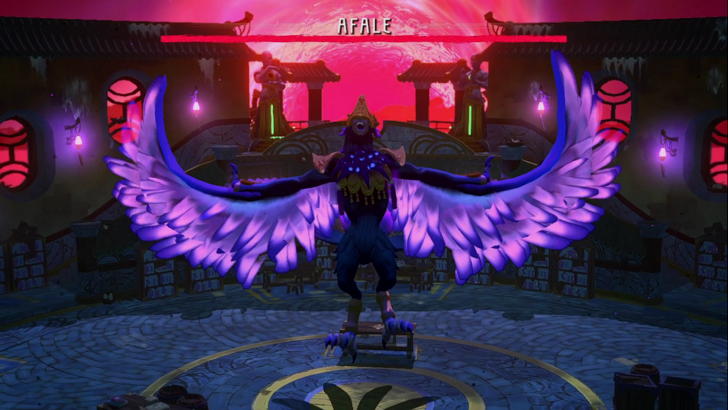
The idea that these memories are infectious remnants of the past is woven into the game’s bosses and minibosses, and really every single enemy you fight. None of the things you run into are inherently evil. They’re literally just people consumed by their past and turned into shadows as the Cycle of Memories gets corrupted.
The first minibosses you run into? They’re fellow Watchers who were sent ahead of you to check things out, now transformed into powerful, run-ending husks. One of them you even get to talk to before they’re corrupted, then fight shortly after.
The fact that each run restarts when you die? That’s explained by a different Watcher up in the sky who fishes souls as they die, letting you reform back in your hub world. Every metagame currency you pick up is a memory of something lost to the shadow corruption, and bringing them back lets you use them for all future runs. If not that, it’s literally just Wisdom and Experience as currencies for new skills and passives.
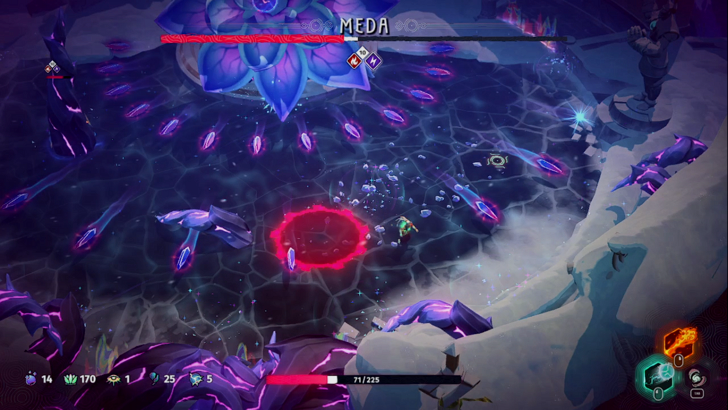
It’s this whole ecosystem of ideas and stories that just flows the way it should, within its own cycle, and easy to follow from the outside looking in. The fact that it’s an original story not directly based on anything is just the cherry on top, taking something great and making it amazing.
We haven’t even seen all of it yet, just the first major story turning point, so get ready for the rest when this game’s EA period wraps up. I know I am.
Melinoë Meets Aang in the Best Upgrade System Around
Moving on to gameplay, Echoes of Mystralia takes the standard isometric 3D action-roguelite formula and layers on room-based combat, primary and secondary offensive options, a randomized boon system, and specialized loadout customization through encounters across multiple runs. In short, it’s Hades.
If I didn’t make it obvious already, this is where the Hades comparison really kicks in, unless you already caught the similarities between Echoes of Mystralia’s and Hades 2’s storylines.
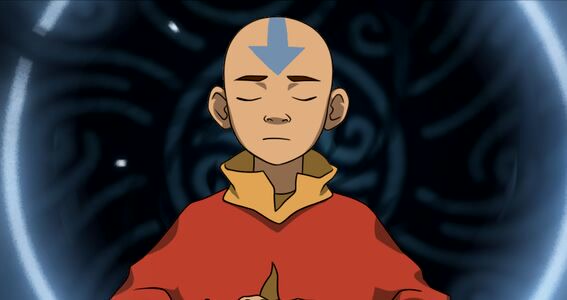
What really sets it apart is the game’s strongest feature, something that even tops its great narrative backbone: a build-a-bear setup for your elemental attacks. Yeah, this game lets you tweak every single aspect of your basic elemental attacks like some kind of Avatar, and the way it pulls this off is one of the most unique mechanics I’ve seen in this genre, period.
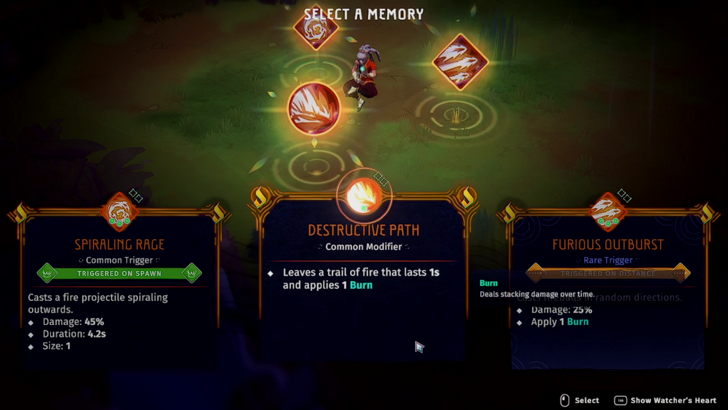
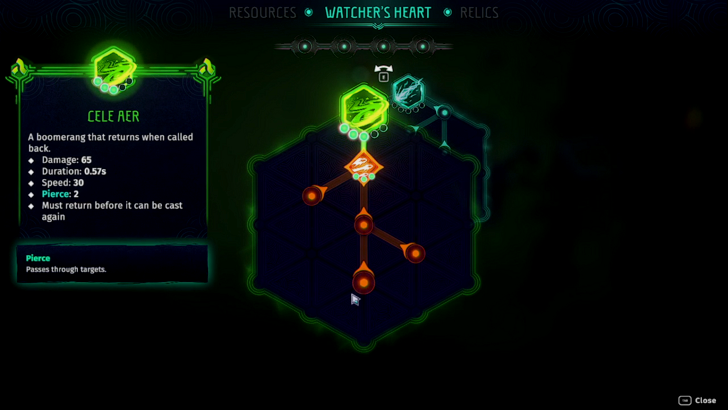
It’s called the Spellcrafting System, and it’s way closer to coding the elements than bending them. Here’s how it works. Players start with two basic attack forms picked from five options, each of which can be switched between the game’s five elements: Aer (Air), Aura (Lightning), Igni (Fire), Gaea (Earth), and Aqua (Water). These determine the basic properties of the attack: range, base effects, speed, and so on.
Every time you grab a boon mid-run, you can attach a “node” to these forms, which changes how the base attack, or another node attached to it, works. These can be triggers, which activate in specific situations, or modifiers, which are always active.
Okay, that’s a lot of technical jargon, so let me break it down with an example. Take the game’s basic starter set: a wind boomerang and a lightning stream. Add some nodes that give the boomerang ricochets, a bonus that boosts damage per bounce, and a node that makes it bigger the longer it’s out, and you’ve got a frisbee of death that absolutely shreds enemies. I love this mechanic so much that I’d put it above Hades in terms of uniqueness and pure fun. I’ve always been a sucker for versatility, and Hades kinda forces you into specific archetypes. Sometimes you get lucky; other times, not so much, and that leads to what I call “dead runs.” They’re not bad, but they’re definitely not what I was in the mood for.
No such problem with Echoes of Mystralia. Every run is exactly what I want it to be, because elemental boons show up more often, and their modifications cover almost every possible aspect of the base elemental forms. We’re talking bounces, chains off of chains, spinning attacks, doubled range, JJBA-style stand rushes, pretty much anything you can think of.
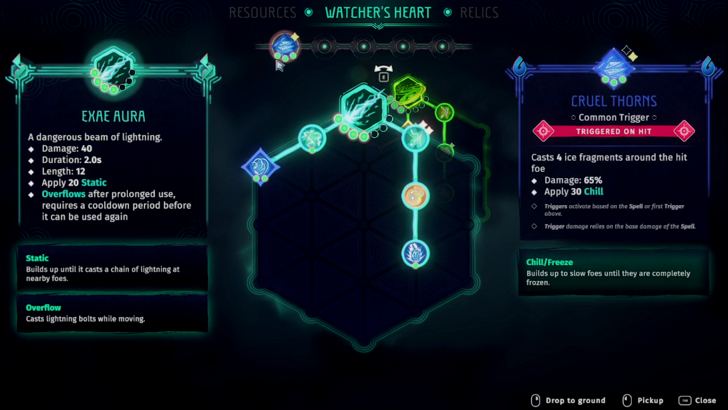
It’s a full-on sandbox of a combat system that can melt bosses if your logic gates are dialed in, and trust me, mine always are. The execution matches the ambition too, because every single build is viable if you’re willing to tinker. Move a trigger here, swap a passive there, and your basic strikes turn into something straight out of Aang’s playbook.
Even games like Wizard of Legend 2, which took its pixel art predecessor and turned it into something comparable to Echoes of Mystralia, locked you into one static use per attack, relying on artifacts to modify their effectiveness. This is total freedom, and I’m loving every second of it.
Every Run Actually Matters
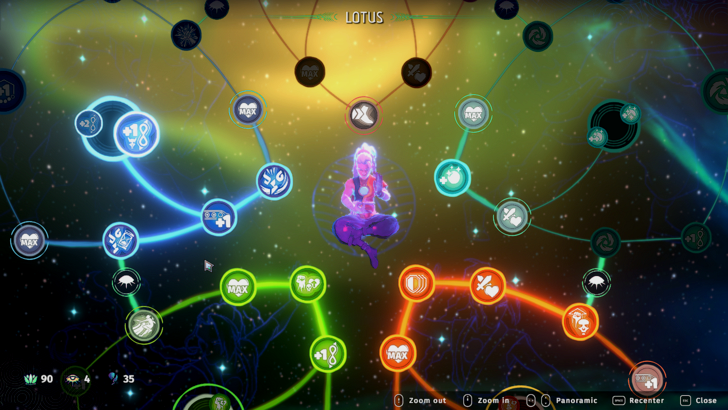
Now, one layer of gameplay and progression doesn’t make an action-roguelite. If it’s just endless runs without any metagame currency to show for it, you’re basically playing an arcade game. Lucky for us, Echoes of Mystralia has metagame currencies coming out the wazoo, and it’s approaching Hades-level complexity and customizability between runs.
We can even do the math. Take Hades 2, the bigger of the two Hades games, and look at what it had in its first EA build: five Nocturnal Arms (Witch’s Staff, Sister Blades, Moonstone Axe, Umbral Flames, and Argent Skull), with three aspects each, gives us fifteen loadout permutations. Count each of the metagame progression chains as one-per, and we’ve got the Witch’s Cauldron, the Arcana Cards, the Oath of the Unseen, familiars, and the Trinket Trove with limited trinket selection.
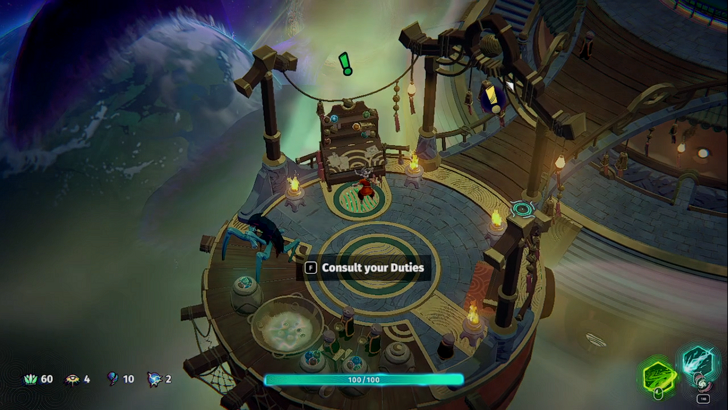
Now compare that to Echoes of Mystralia’s available loadout options. You’ve got four basic forms with four basic elements to choose from each, giving us 16 basic loadout options to unlock. Then there’s the Watcher’s Altar for major metagame unlocks, the Lotus for branching passive unlocks tied to the character itself, and the Watcher’s Duties Section for the game’s achievement system.
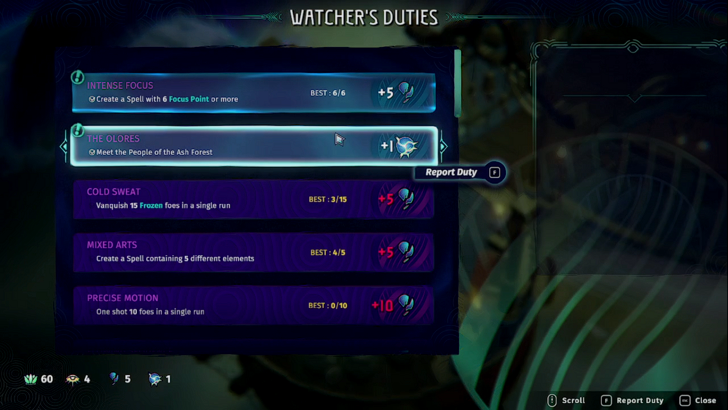
It’s a comparable number of options, maybe slightly fewer. But if we’re factoring in possible run permutations, Echoes of Mystralia takes the lead at this stage, thanks to the sheer number of ways you can arrange each elemental boon within their logic tree, plus the loadout options on top.
Bottom line: every run matters, and there are no dead runs, like I mentioned before. That’s standard for the genre, but a satisfying metagame is way rarer than you’d think. Games like Wizard of Legend 2 that tie themselves to basically just one metagame currency make it a matter of getting enough, never a matter of alternative progression.
That’s the missing ingredient a lot of games with these kinds of progression systems overlook, the piece de resistance that caps off each run with a new way to experience it. Thankfully, this game delivers in spades.
Shockingly Polished for an EA Build
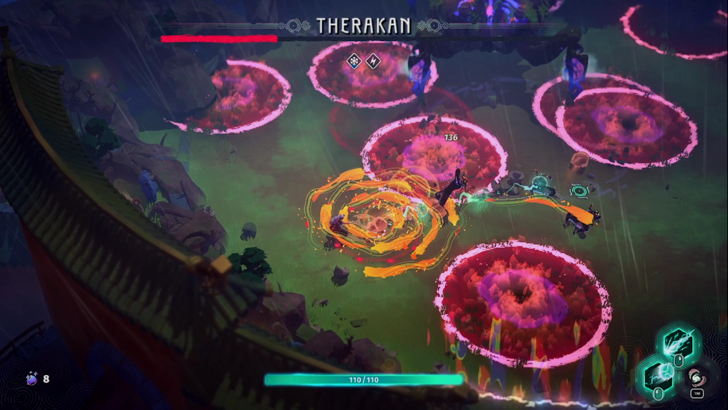
Talking more about the game’s presentation now, Echoes of Mystralia is incredibly well put together for an EA build. Early Access is Early Access, so there’s no point complaining about graphics, unfinished assets, and incomplete storylines. This game could’ve gotten away with all of that, and it kinda does for some of it, the unfinished storylines mostly, but it delivers like a finished product for most of the visuals and sound already.
The game has great voice acting even for the most obscure NPCs, all of whom put on a great show of talent that leaves nothing to be desired. I’ll admit it’s not as iconic as Hades and Hades 2’s chthonic whispering and grave tones, but seeing this level of presentation at this stage of development tells me good things are coming for the full release.
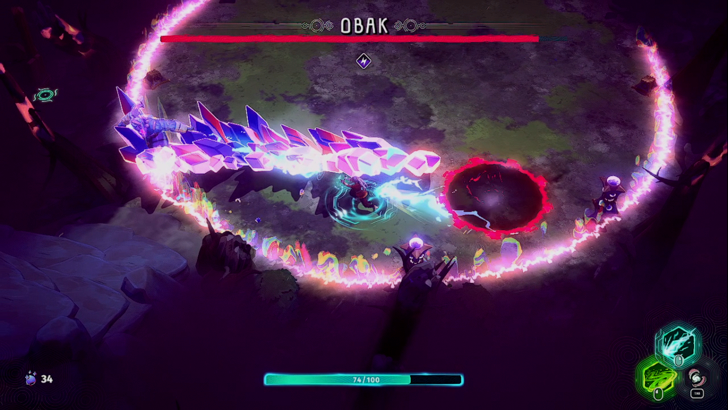
The game looks just as good as it sounds, and the design complexity, like everything else, is right up there with Supergiant’s trademark quality. Blending art deco, art nouveau, and traditional Buddhist symbolism, Echoes of Mystralia lets you feast your eyes on gorgeous 3D vistas and some of the most stylish elemental effects you’ll find in any 3D action-roguelite.
Overall, the game is a stimulating and impressive treat for the senses, as long as you can forgive the very occasional pre-release placeholder art.
Incomplete, Yet Completely Impressive
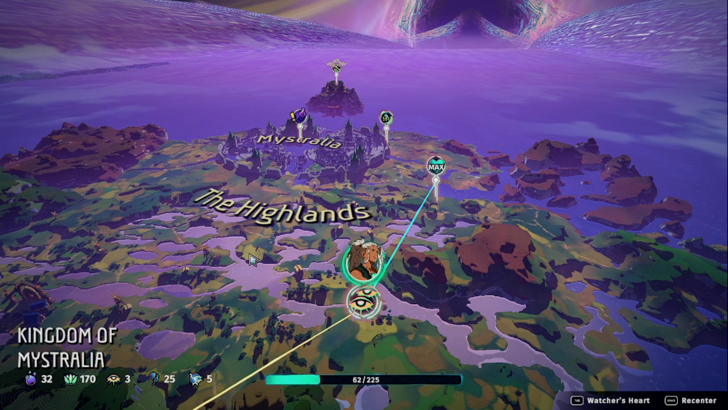
Almost better doesn’t mean just as good, and it doesn’t mean worse either. What I mean by that description for Echoes of Mystralia is that it’s in limbo until the rest of the game shows up in its 1.0 release. As it stands, you could argue for or against it being better than Hades and Hades 2, but those arguments can’t be settled fairly until all the cards are on the table.
The way I see it right now, judging it purely on its own merits and not against the gold standard, Echoes of Mystralia is a great EA experience. It nailed its key features, presented its world, visuals, and music beautifully, and the only real flaw I can point to is excusable because of its EA status.
I’m no oracle of the gods, and I’m definitely not a Watcher of memories, but based on what I’ve seen from Echoes of Mystralia, I’m expecting big things for its 1.0. Whether it’ll surpass the best of the genre remains to be seen, though if any game could do it, it’d be this one.