
Beast of Reincarnation isn’t a perfect game, but it came close. It had everything it needed to be one of 2026’s breakout hits, but the flaws and weaknesses across the board were just too hard to ignore. That said, it’s definitely not a bad game. The worldbuilding is incredibly strong, the combat’s a blast, and the art direction is top-notch—enough to carry you all the way to the finish line.
Beast of Reincarnation is an action RPG where you fight to save humanity from a blight that’s destroying the world. Read on for the plot, gameplay, release details, and how it all holds up.

Beast of Reincarnation Wiki
What Is Beast of Reincarnation?
Beast of Reincarnation is an action-RPG from Game Freak, published by Fictions, dropping on August 4, 2026 on PC, PS5, and Xbox Series X|S. This is Game Freak’s first big AAA project outside of Pokémon. Before the official reveal at the Xbox Games Showcase in June 2025, it was teased back in 2023 under the name Project Bloom.
In the year 4026, Earth’s been wrecked by a parasitic phenomenon called the Blight, which mutates living things into monsters called Malefacts and makes forests pop up out of nowhere across the landscape. You play as Emma the Sealer—an outcast cursed as a Blighted One—alongside her dog Koo, and together you’ve got to take on the Beast of Reincarnation, which is believed to be the source of the Blight.
Gameplay is built around its one-person, one-dog setup. While playing as Emma, you attack enemies and parry incoming attacks. Successful parries build up resources that let you open a command menu for Koo; time slows down when you do this, and you can trigger Koo’s support skills or Blooming Arts.
What’s in the game?
- Post-Apocalyptic Future Setting
- Emotional Narrative
- Unique Action RPG Gameplay
- Straightforward Progression
- 13 Chapters
- New Game+
For more gameplay details, read everything we know about Beast of Reincarnation’s gameplay and story.



The Review: Maybe in Another Life It Would’ve Been Perfect
GameFreak Should Keep Making New Games
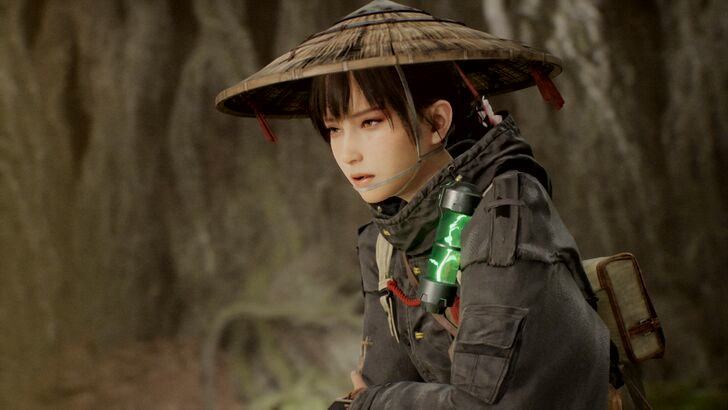
When you see the GameFreak logo, it’s probably for a new Pokémon game. After decades of pumping out titles from the same franchise, that’s just what you expect at this point. So much so that I can say with confidence that no one—and I mean absolutely no one—saw it coming when they revealed Beast of Reincarnation back in June 2025.
Beast of Reincarnation is GameFreak’s first new action game since Pokémon Legends, and honestly, calling that an action game is a stretch. This one blends mechanics from a bunch of popular action titles—think Sekiro’s rhythmic parry system mixed with Final Fantasy 7 Remake’s dynamic action command mechanics, just to name a couple.
The combat is a familiar mix of action-game staples but in a slower setting, which creates engaging moments through deliberate decision-making. The visuals have a killer art direction that fully backs up the world it builds with its big narrative. And even though it moves at a glacial pace, the story has some of the best worldbuilding and lore I’ve seen in most games.
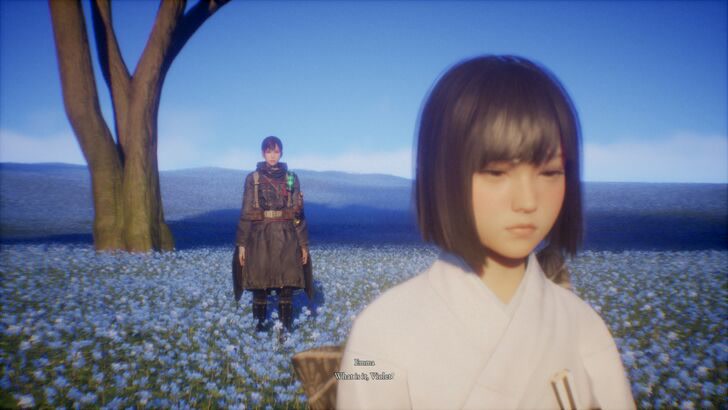
But it also shows its weaknesses the second you hit “New Game,” all the way until the credits roll. The gameplay loop feels clunky, the dialogue and animated cutscenes don’t really grab you, and it has those performance issues we’ve sadly come to expect from new releases these days. On top of that, the story doesn’t really kick into gear until you’re more than halfway through.
Yeah, it’s a pretty flawed game. But there’s no doubt this is GameFreak trying to prove they can handle genres outside their comfort zone.
At the end of the day, Beast of Reincarnation isn’t perfect, and maybe in another life it would’ve been one of 2026’s best games if they’d fixed some of its issues. But it’s still a game worth your time, especially because the world is so compelling that you’ll wanna keep pushing forward. You just gotta power through its weird pacing.
Strong Worldbuilding Brought Down By Abrupt Pacing
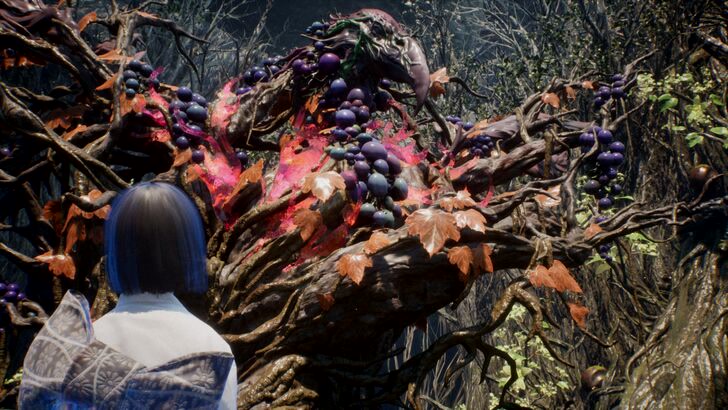
The world in Beast of Reincarnation is something we’ve seen before. A tech-meets-nature vibe with medieval weapons mixed with a dash of magic? Yeah, that’s giving NieR and Horizon. But that doesn’t mean it’s not a cool world to dig into.
Long story short, Beast of Reincarnation is set in a post-apocalyptic future where the titular monster has infected the world with a Blight that nearly wiped out humanity. You play as Emma, a blight-infected Purifier, accompanied by her loyal dog Koo, who’s sworn to take down the beast in the Capital and save humanity from an apparently unstoppable infection.
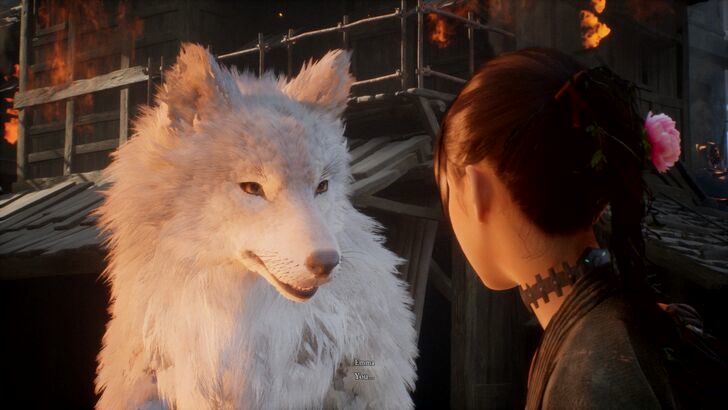
The premise is pretty basic, but it works as a way to build a world that makes you ask questions. Where did the Beast come from? Why is the Blight shown as this overgrowth of plants and animals? And more importantly, why do you die if you look up at the moon? Sure enough, these questions do get answered, and the result is a world that’s genuinely interesting to learn about.
Unfortunately, it’s how these details are slowly sprinkled in—and how fast everything comes together at the end—that’s the real problem.
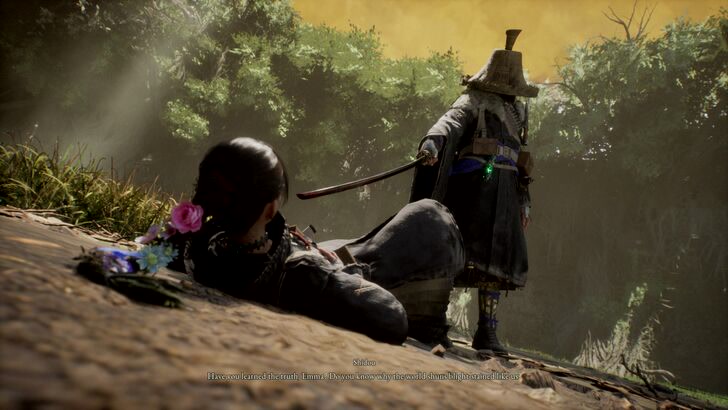
What feels like painfully slow pacing is actually the game focusing on building up the little details of its setting, environment, and all the events that shape the world instead of the main plot. This is especially true since you don’t see much actual plot progression until the eighth chapter. You get little crumbs here and there, but it’s also part of why the game doesn’t grab you right away.
Of course, while the world is carefully built up, the actual plot ends up playing second fiddle. And to make matters worse, it wraps up fast without real buildup or any emotional weight—the last two chapters basically feel crammed into one. And no, it’s not because the plot’s too complex to follow. It’s just way too slow at the start, then way too fast at the finish.
Now, is the core story strong enough to survive its pacing problems? I’d personally say yes, even if it’s pretty tropey. The details and main plot are tied up and resolved in a way that hangs together, with not many plot holes to poke at. Honestly, it’s one of the more impressive video game worlds I’ve experienced in a long time, especially for a completely new IP.
Emma and Koo’s Bizarre Adventure
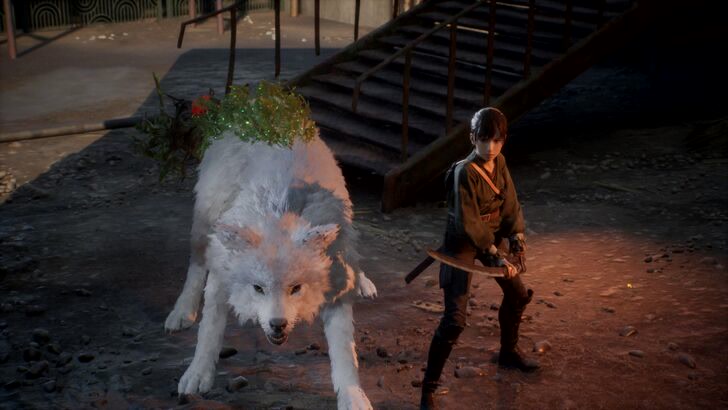
Similarly, the story behind its main character, Emma, is just as interesting. Her arc of becoming more and more human is pretty standard, especially with the usual plot beats like being shunned by society for being blight-born, emotionless, and an amnesiac—which happens twice, actually: once at the start and again partway through. But just because it’s predictable doesn’t mean it’s bad.
You slowly start seeing Emma question things beyond how she’s lived her life. She gets curious about why people are motivated to do things, why things work the way they do, and ultimately, what emotions even are. The way the game uses its world to teach her about how society and civilization used to work is pretty compelling on its own. Her interactions with the supporting cast gave the story the freshness it really needed.
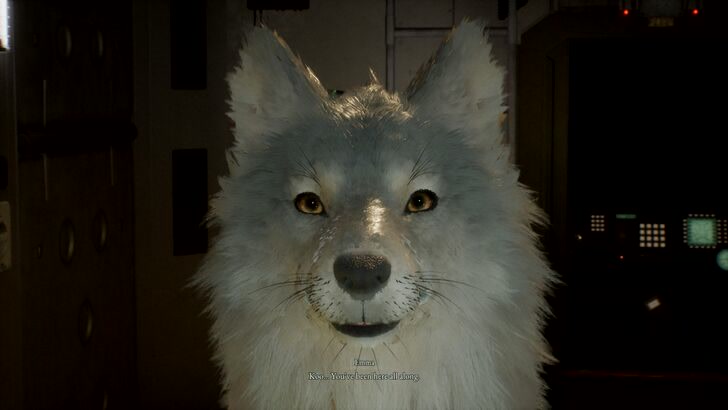
Her being emotionless is a key part of the whole story, so it’s a shame that most of the supporting cast is almost as flat as she is. So much so that it actually hurts the narrative—the supporting characters don’t show enough expression to contrast with Emma’s blank personality.
The wooden line delivery and lack of expressions make everyone feel robotic, which in turn makes all the interactions feel robotic since the main character doesn’t show much emotion either. And to pour salt in the wound, the animations in the cutscenes were also pretty lackluster, which made the big dramatic moments land with less impact, both visually and emotionally.
Even Koo, who acts as Emma’s “guide dog” for lack of a better term, was more expressive than half the cast, both visually and in delivery.
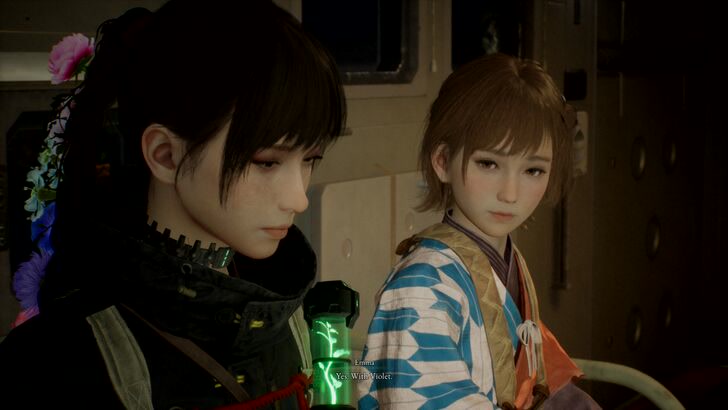
And it’s not like they couldn’t have done better, because two of the other major characters—Violet and Kagura—actually nail their roles. Violet serves as Emma’s emotional outlet during conversations and her “imaginary friend” who helps her out from time to time. Kagura is her first real friend, helps her with chores in their mobile base, and genuinely becomes a core part of Emma’s drive to keep fighting.
We could’ve gotten a way better story if they’d fleshed out more of the characters, especially key players like Brad, Kunai, and even Shidou. If their backstories were spread out more, you’d actually feel invested in them, especially since they’re all pivotal to Emma’s growth. Instead, the story makes it feel like they just show up and disappear.
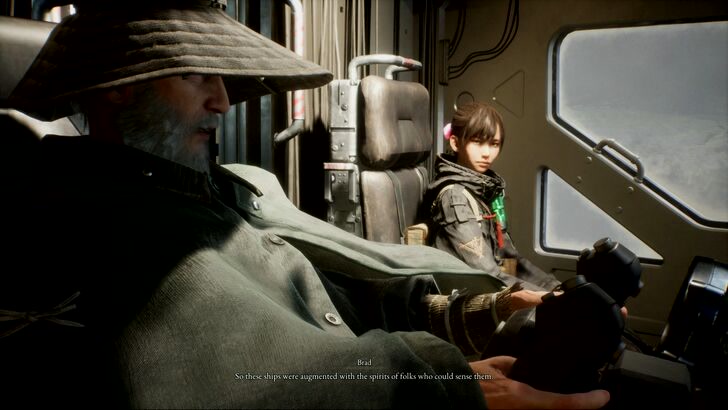
To be clear, it’s not that they’re written badly—even if their underuse is arguably a form of bad writing. It’s more that their backstories and details should’ve been explored earlier so they add more context to the world, reinforce its themes early on, and raise the stakes as the core characters’ motivations and goals collide.
For what it’s worth, though, it wraps up in a satisfying way, tying up a lot of plot threads in a cohesive manner that makes the investment worth it. And the worldbuilding is still, for the most part, something other games should be taking notes from. It manages to vividly create a setting that’s instantly recognizable and relatable, even though it’s supposedly set thousands of years in the future.
Impressive Hybrid Combat That Invites Skill Expression
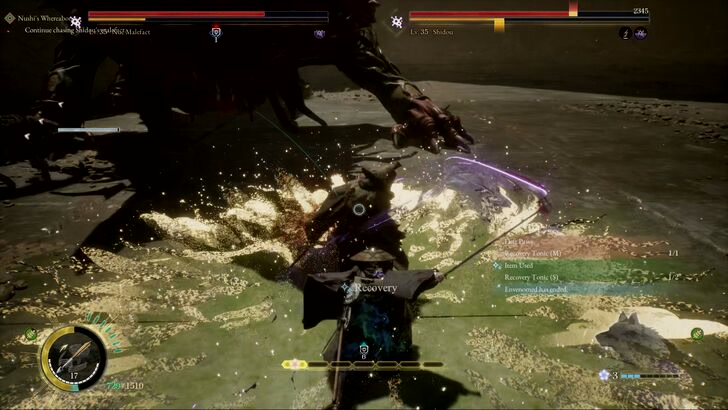
From what we saw in the trailers and reveals, Beast of Reincarnation’s combat and gameplay loop is a mash-up of a bunch of things. The easiest way I can put it: it mixes a bit of NieR’s movement, Sekiro’s parry mechanics, and a dash of Final Fantasy 7 Remake’s dynamic command-based combat. But even though I mentioned Sekiro as an influence, calling this a Soulslike isn’t really accurate, even if it feels like one.
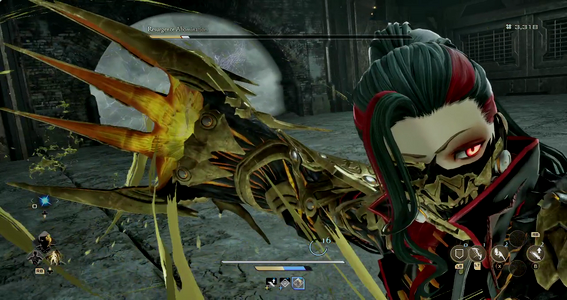
It uses its slower pace and unique battle system to make combat engaging, especially since every action has real weight behind it. This, in turn, makes sure your decisions feel deliberate, because Emma is every bit as fragile as she looks when it comes to taking hits. But the slower pace doesn’t mean it’s just a “wait for an opening” kind of game.
Attacks work kind of like Dynasty Warriors, with a combo system where unique sequences depend on when you choose to end the combo. Combined with that deliberate weightiness, it means you’ve gotta be aware of which attack strings are quicker and which ones hit harder.
There are also other abilities unlocked through the simple progression system that let you pull off unique attacks in specific situations. Examples include Helm Breaker, which looks exactly how you’d expect from other games, and Iaido, where a brief pause during a combo lets her sheathe her katana for a much stronger follow-up.
On top of that, Emma has access to two different ranged weapons that play like a traditional third-person shooter—and surprisingly, they’re just as good or maybe even better than the melee combos if you put enough skill points into them.
Mix all that with Koo’s command-based gameplay where you use his abilities to sway fights, and you’ve got a combat loop that really tests your deliberate decision-making in a genre that normally lets you play on instinct.
But the real beauty of the combat system—the thing that makes it all tick—is the parry mechanic. As a mechanic, it’s about as basic as it gets, but it’s also what elevates this into a top-tier action game. I’ve talked a lot about how actions are meant to feel deliberate, but that goes out the window when you realize you can recover from any “bad” decision with a well-timed parry.
This creates skill expression by letting players be as aggressive as they want, while still respecting its deliberate design where you’re infinitely safer if you attack during openings rather than swinging at the tiniest gaps in an enemy’s defense. By the halfway point, I’d really grown to love the combat system, especially once I leaned into its pace and simplicity.
I’d even go as far as to say Beast of Reincarnation nails the turn-based-plus-action-RPG dynamic better than most—maybe even better than Final Fantasy 7 Remake. Mostly because the combat keeps its teeth and doesn’t force you to chip away with meaningless damage before getting to the good stuff. But hey, maybe that’s just me.
Lack of Variety Turns Into Subpar Difficulty
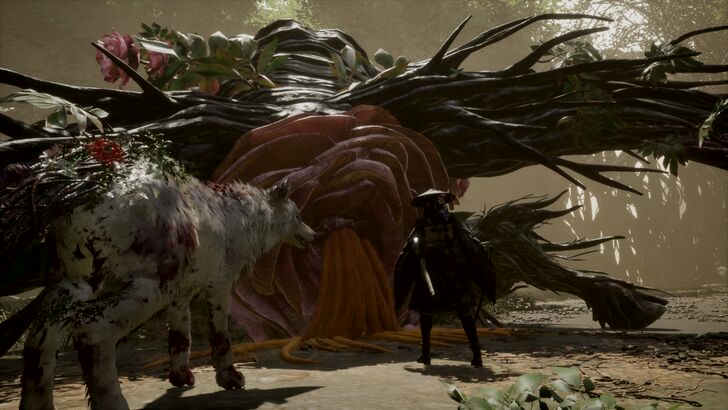
I’ve gone on long enough about the combat system’s intricacies, but the gameplay loop isn’t without its problems. It’s pretty common for action games to feel repetitive with enemy types, but the issue here runs deeper. The lack of attack patterns, combined with the limited enemy variety, results in a difficulty that’s easier than it should be.
Even on the hardest setting, the game doesn’t feel as tough as it ought to be—cranking up the difficulty only bumps up enemy damage and HP without actually fixing the core issue.
Because of the limited attack patterns, fights tend to get repetitive fast, and no enemy feels threatening after you’ve seen its type once. Sadly, this carries over to boss fights too, since some bosses just share attack patterns and animations from regular enemies with a few extra swings, and some are literally just recolors of stuff you’ve already fought.
The funniest part about all this is that they actually had the answer—they just didn’t give us more of it. I’m talking about the last two climactic boss fights. These encounters felt completely different from everything else in the game, mostly because they had unique attack patterns compared to the other 90% of enemies you face.
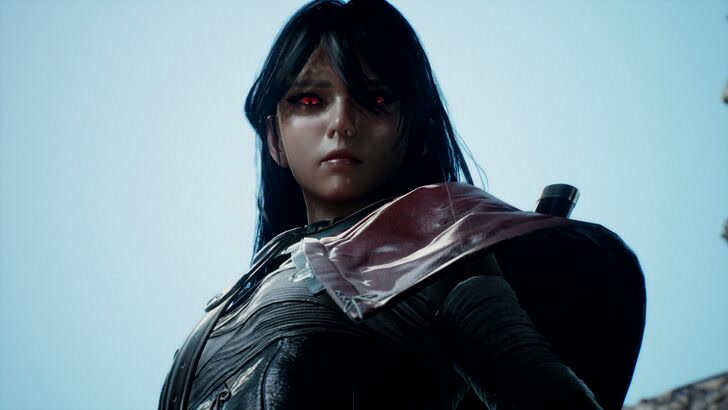
These fights in particular were definitely the highlights of the combat, mostly because no other enemies shared their movesets. The penultimate boss was especially cool because both fighters had unique attack animations, varied timing, and patterns you’d never seen before—all wrapped up in a 2v2 showdown.
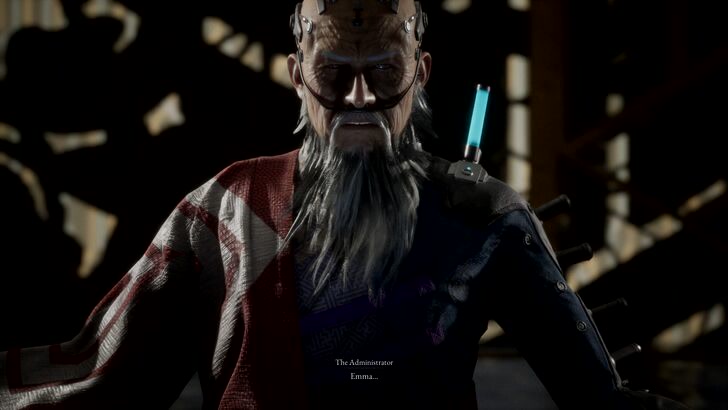
The actual final boss also had its own unique moves, though they were limited and pretty easy to parry. What made it interesting was that missing a parry meant you were guaranteed to eat 2-3 more hits before you could even try parrying again. Plus, its attack patterns were way more deceptive than most bosses.
If they’d made more bosses with that kind of design, or just given more exclusive attack patterns to both bosses and regular enemies, it would’ve cut down a ton of the repetition. Then again, maybe that was the point—to keep the game from getting too hard so players can also enjoy the surprisingly large-scale exploration. If anything, the only genuinely frustrating part of the game is the finicky camera that loves swinging back and forth between enemies.
Is Beast of Reincarnation Worth It?
Wait Till it Fully Blooms
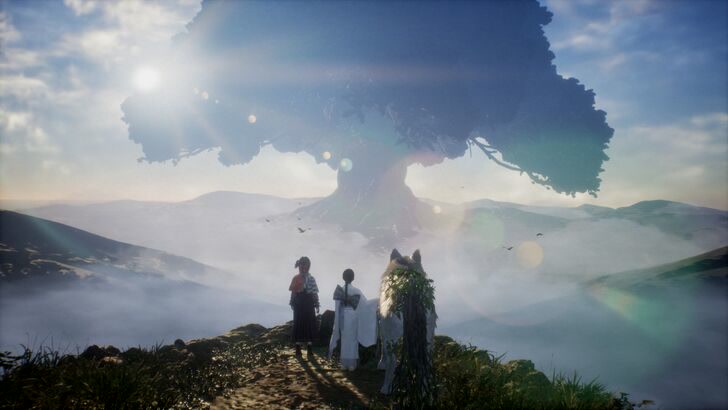
There’s no question that Beast of Reincarnation is a flawed game. Even so, this is the kind of game I wish GameFreak would keep attempting. Flaws and all, it has enough genuinely compelling positives to make it a worthwhile experience, especially with its incredible worldbuilding and dynamic combat. And yeah, you do have to push through its sluggish pacing, but I’d argue the payoff of seeing the well-crafted conclusion and experiencing the overall world is worth the ride.
I’d recommend it to folks who want a slower action game, especially if you’re not a fan of games that bombard you with reflex-testing mechanics and demand you play at lightning speed. That said, since GameFreak already announced that a patch to fix the story pacing is coming soon, it might be worth waiting for a sale to see how much more they’re willing to change and improve on its weak points.


How Many Chapters Are There in Beast of Reincarnation?
There are a total of 13 chapters in Beast of Reincarnation.
Can You Play as Koo in Beast of Reincarnation?
No. You only play as Emma in the game.




Final Verdict
Beast of Reincarnation delivers a average experience with a score of 76/100.